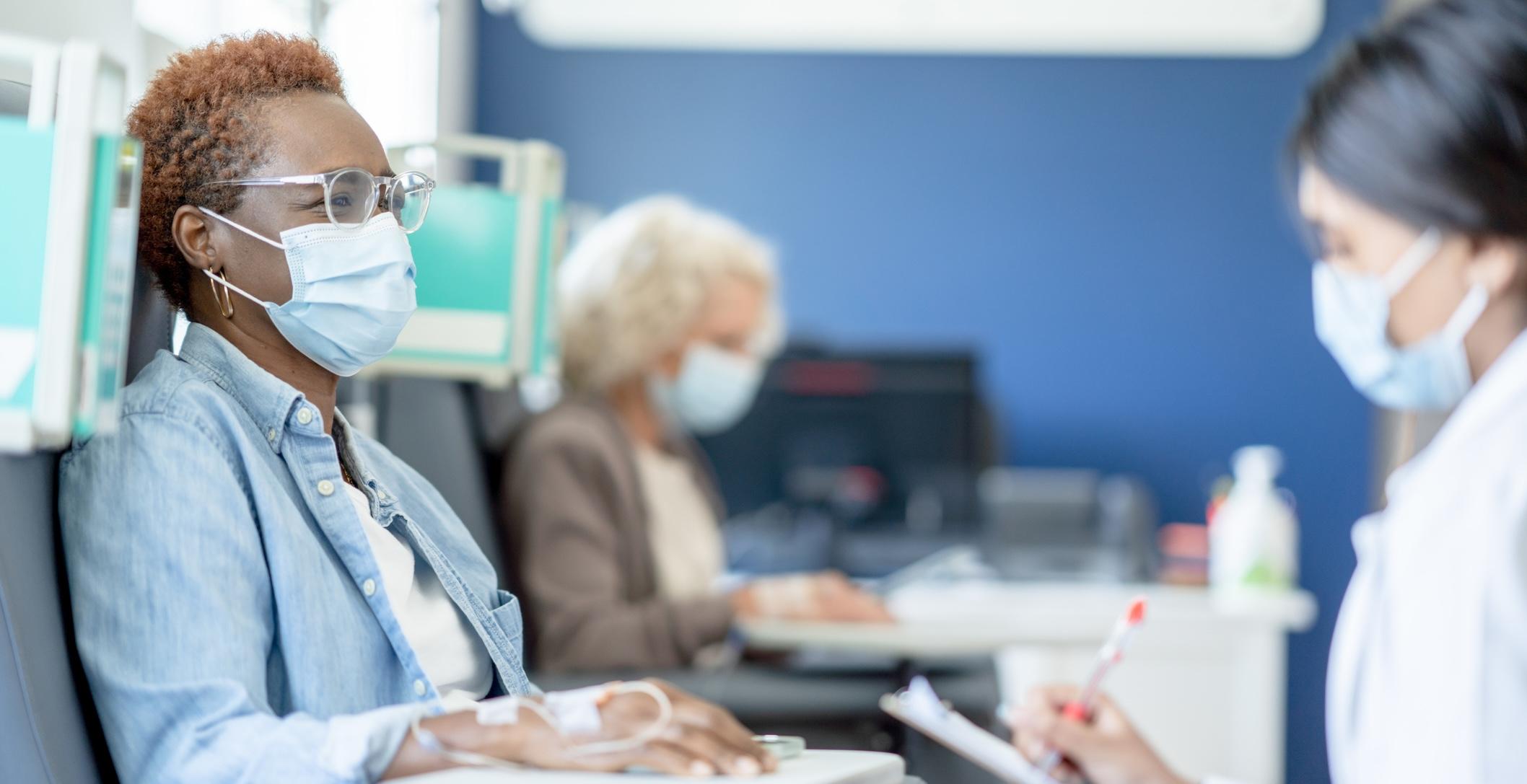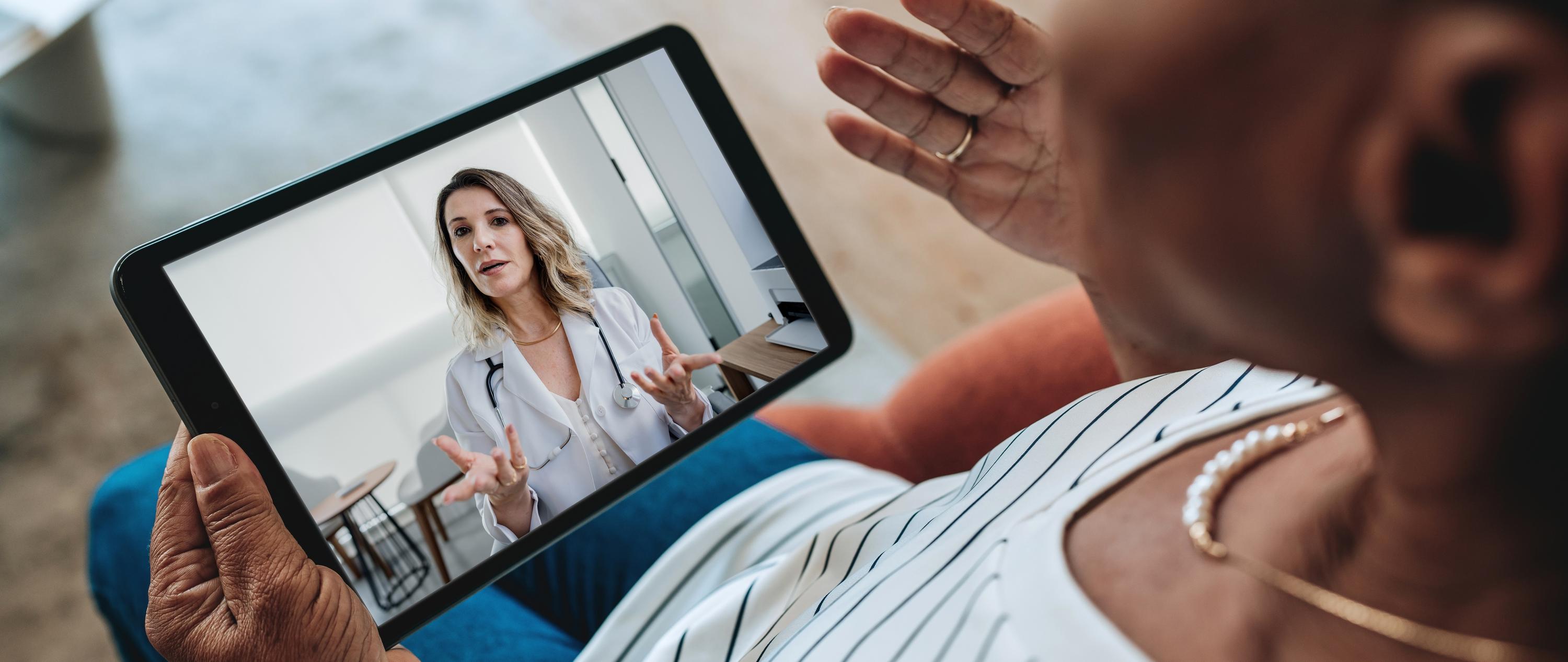
In addition to reaching patients that cannot easily travel and expanding trial access to diverse populations in widely varying geographies, offering healthcare services in participants’ homes during clinical trials reduces the burden for all patients. Working with patients in the home also represents a more sustainable approach to clinical studies and can lead to improved data collection and a better understanding of patient needs and experiences while reducing development cycle times, lowering clinical trial screen failure rates and decreasing the need for protocol amendments. The Trialmed Home Trial Services group acts as an extension of trial sites, freeing up those sites and physician investigators to focus their resources on patients that do come to the sites for assessment and treatment.
Redefining Access: The Rapid Rise of Home-Based Studies
Home-based clinical trial services — once a niche concept limited to a handful of early adopters — have rapidly evolved into a cornerstone of modern study design. Though direct-to-patient and virtual trial elements emerged more than a decade ago, their uptake was slow until the COVID-19 pandemic forced sponsors, sites, and regulators to rethink long-standing paradigms. Suddenly, remote monitoring, home visits, and in-home data collection became essential to keep studies on track.
What began as an urgent response to an unprecedented disruption quickly demonstrated enduring value. Patients reported high satisfaction with the convenience, comfort, and continuity of in-home care, while sponsors discovered measurable benefits in retention and data quality. These positive outcomes helped shift industry perceptions, positioning home healthcare services not as a stopgap but as a strategic tool for broadening access and accelerating development timelines.
Rapid advances in enabling technologies — from wearable sensors and e-diaries to AI-powered remote diagnostic tools — have further expanded possibilities for trials-related care in the home setting. Regulatory agencies have kept pace, with guidance from authorities, such as the U.S. Food and Drug Administration (FDA) and the European Medicines Agency (EMA), encouraging the thoughtful integration of decentralized elements to improve patient access and diversity. Today, sponsors and contract research organizations increasingly view remote nursing and related services as a standard, rather than an exception, in protocol design.
Increasing Access and Reducing Patient Burden
Home nursing services are redefining what it means to make clinical research accessible and patient-centered. By bringing elements of the study directly to the patient’s home, sponsors can reach individuals who might otherwise be excluded, whether due to geographic isolation, mobility limitations, financial constraints, or competing work, and family responsibilities. This shift not only removes barriers to participation but also significantly reduces the daily burden on patients who are already managing complex health challenges.
Working with patients in their home environment also mirrors how most conditions are managed in the real world, creating a more natural and sustainable approach to research. This alignment enhances data quality and generates richer insights into quality-of-life factors that are often underrepresented in traditional site-based trials. Studies incorporating home visits have consistently demonstrated measurable advantages, including higher patient retention rates — often exceeding 90% — and reductions of up to 30% in screen failure rates.1 These benefits, coupled with shorter cycle times and fewer protocol amendments, translate directly into more efficient and cost-effective drug development.2
The flexibility of home healthcare services makes them valuable across a broad spectrum of therapeutic areas. In rare disease studies, where each participant is critical, reducing the logistical and emotional burden of participation can mean the difference between meeting or missing enrollment targets. Pediatric studies are another area of strong demand, where minimizing disruptions for families and creating a more comfortable, familiar environment for children supports both adherence and safety. Neurological and cardiovascular trials, which often involve mobility-limited patients or frequent visit schedules, are also increasingly adopting home-based elements to improve both patient experience and operational efficiency.
Home visits are proving especially valuable in expanded access programs and in studies for conditions where patients are already accustomed to managing aspects of their care independently, such as diabetes, obesity, and other chronic diseases. Across these diverse applications, integrating skilled nursing into the home trial model consistently enhances compliance and strengthens the patient–provider connection, a critical factor in maintaining engagement over long and demanding study timelines.1,2
Innovating at Home: How New Tools Are Shaping Patient Care
Advances in digital health and mobile technologies have dramatically expanded the range of services that can be delivered in the home, making home trial support feasible for nearly every aspect of a study. Only procedures requiring large, immobile equipment, such as advanced imaging, or inpatient-level care remain outside the current scope of what can be provided in a patient’s home.
Today, home healthcare services encompass far more than medication drop-offs or simple check-ins. Skilled nurses can conduct sample collection, administer intravenous medications and monitor vital signs, ensuring the same level of clinical rigor as a site visit. Patients can also receive hands-on training for self-administration of study medications, with nurses providing coaching to ensure confidence and safety.
Technology has made this model even more seamless. Wearable devices and connected health platforms allow continuous monitoring of key clinical metrics, while electronic patient-reported outcomes (ePRO) and electronic clinical outcomes assessment (eCOA) systems capture patient-reported outcomes in real time. Nurses help patients overcome technology barriers by guiding them through setup and troubleshooting, a step that has proven critical for older populations or those new to digital tools. Televisits further extend accessibility, giving patients and caregivers clinical support between in-home visits.
Emerging innovations are further expanding what’s possible. Trialmed is piloting an AI-powered stethoscope from EKO Health that records and transmits lung and heart sounds, either in real time or post-visit. Remarkably, the device doesn’t require a physician or nurse practitioner to operate it; with proper training, a nurse or even the patient can capture reliable data. This innovation offers new possibilities for screening participants or monitoring patients remotely, reducing the need for frequent site visits while maintaining clinical oversight.
Similarly, pocket-sized ultrasound devices are showing promise for certain studies, though scaling their use will require onboarding more traveling sonographers. These examples point to a future where even complex assessments can be conducted safely and accurately in the home, further reducing the need for site visits and enhancing patient convenience.
The ultimate goal of these services is not only to deliver medical interventions but also to empower patients to engage fully in their studies. This combination of clinical rigor, technology-enabled support, and patient education fosters trust, improves adherence, and ensures that data collected in the home setting are as reliable and actionable as those gathered in traditional research facilities.
Knowledge, Flexibility, and Data Security are Essential
Success with home healthcare services begins with a clear understanding of the patient population and the technologies that can best support them. Sponsors that invest time upfront to understand patient needs — from logistical constraints to comfort with digital tools — are better positioned to design protocols that maximize engagement and ensure the right balance of home and site-based care. This foundation also helps identify the technologies most likely to enhance data collection, compliance, and overall trial efficiency.
Flexibility is equally critical. No study unfolds exactly as planned, and home trial programs must be able to adapt in real time to unanticipated challenges, whether they involve protocol adjustments, shifting patient needs, or external disruptions. Trialmed’s experience shows how adaptability drives success, from quickly onboarding additional nurses during periods of high demand to adding televisits when in-person visits are disrupted. This agile approach ensures that engagement, data quality and patient safety remain uncompromised even when conditions change.
Data security and regulatory compliance are also non-negotiable. Managing personal health information (PHI) requires strict access controls, defined retention policies and robust systems to comply with country-specific regulations. Trialmed’s global network has developed processes to navigate regional variations, from General Data Protection Regulation (GDPR) requirements in Europe to Health Insurance Portability and Accountability Act (HIPAA) standards in the United States. Standardized nurse training and validation procedures further ensure that data collected across countries is reliable and consistent, maintaining the integrity of global studies while safeguarding patient trust.
Operational Excellence: How Trialmed HTS Delivers Seamless Support
Trialmed’s Home Trial Services (HTS) group is purpose-built to deliver seamless, protocol-driven support for clinical studies. From the outset, HTS integrates skilled nursing services with patient education and training, ensuring that participants are confident, informed, and supported throughout the trial.
Each study is overseen by a dedicated HTS project manager who coordinates every operational detail, from scheduling and logistics to vendor and courier management. This centralized oversight streamlines what can otherwise be a complex web of moving parts, reducing administrative burden for sponsors while ensuring a consistent, high-quality patient experience.
When a request for proposal (RFP) comes in, the Patient First Digital Services team collaborates with HTS to review the protocol and recommend digital solutions, such as e-consent platforms, televisits, and wearable-enabled monitoring, that can enhance patient engagement and data quality. In some cases, sponsors explicitly request home health services, signaling a proactive focus on patient-centric design. Regardless of the starting point, HTS draws on its global network of experienced nurses and, when needed, quickly onboards additional staff, providing targeted training on the technologies and applications specific to that protocol.
This combination of a centralized management model and a globally distributed network allows Trialmed to maintain consistency across regions while adapting to local regulatory and operational nuances. The result is a scalable, reliable infrastructure that supports everything from single-country studies to complex global programs, all while maintaining the compliance and quality standards essential to modern clinical research.
Extending the Site: Partnering with Investigators for Seamless Care
The HTS group operates as a true extension of the Trialmed site network, bridging the gap between investigators and patients in the home. By assuming responsibility for scheduling, logistics, and patient support, HTS removes much of the administrative burden that home-based services can create for sites. This allows investigators and site staff to focus their attention where it matters most: on the patients who visit the clinic to meet critical protocol requirements.
Equally important is the emphasis on building strong relationships between home-health nurses and physician investigators (PIs). Before a trial begins, PIs are introduced to the nurses who will be visiting their patients. These early connections foster mutual trust and collaboration, giving investigators confidence that their patients are receiving the same level of care and oversight they would expect in the clinic. Throughout the study, nurses are encouraged to maintain open lines of communication with PIs, reporting any concerns or observations promptly so that issues can be addressed without delay.
This collaborative model not only strengthens patient safety and continuity of care but also reassures investigators that home visits are enhancing — rather than disrupting — the overall conduct of the trial. It reflects Trialmed’s commitment to aligning operational efficiency with the relationships and trust that underpin successful clinical research.
References
1. Sharma, Pooja, et al. “Home nursing in clinical trials: Result from semi-structured qualitative interviews.” Perspectives in Clinical Research. 15: 94–98 (2024).
2. Stabile, Stefano, et al. “Perception of decentralized clinical trials and home nursing in oncology clinical research: insights from a survey of clinical research professionals across experimental sites.” International Journal of Clinical Trials. 11: 162–169 (2024)