From the site level, expanding access to clinical trials is less about mandates and more about trust, time, and practical realities. Drawing on her experience as a physician, Dr. Melissa Choi explores how sustained community engagement and patient-centered trial design make research more representative and more relevant for the people new therapies are meant to serve.
Diversity and accessibility in clinical trials matter because the world is made up of populations with diverse biological, genetic, epigenetic, and environmental backgrounds, and everyone deserves equal care. If the individuals enrolled in our trials don’t reflect the full diversity of those who will ultimately rely on these treatments, then we’re not fully honoring our responsibility to care for everyone equally.
This is not only a scientific concern but a clinical one. As a physician working at the site level, I also see what participation in clinical research means for patients themselves. For some patients, a trial may offer access to care, education, or support they otherwise wouldn’t have. That perspective shapes how I think about inclusion every day.
Why the Gap Still Exists
If representation is so clearly important, why haven’t we closed the gap?
From my perspective, the answer is multifactorial, shaped by intersecting barriers related to awareness, access, time constraints, and mistrust rooted in historical medical and research practices.
Some patients are unaware that clinical trials exist in their area. Others know about them but face barriers to participation. Individuals who are retired or have flexible schedules may find it easier to attend lengthy study visits than those balancing multiple jobs, caregiving responsibilities, or long travel distances to research sites. Even when patients are interested, the practical demands of life and logistical challenges can make participation feel out of reach.
Trust is another critical factor. In some communities, skepticism toward clinical research is rooted in real, harmful, historical experiences, and rebuilding that trust takes more than messaging: it requires time, consistency, and sustained presence.
As a result, patients who could benefit most from access to new therapies are often the least likely to engage in clinical trials, underscoring the importance of relationship-driven solutions.
Building Trust and Relationships at the Community Level
At the site level, building trust starts with relationships, and those relationships take time.
One of the most important things we can do is show up consistently in the communities we serve. By participating in local events, health fairs, and cultural festivals over time, site teams become familiar, approachable presences rather than appearing only when a trial needs participants. In some communities, we also offer simple health screenings, such as blood pressure checks or point-of-care hemoglobin A1C tests. These services create natural opportunities to listen, answer questions and begin conversations about disease risk and prevention, particularly in populations that are disproportionately affected. With each interaction, familiarity can grow into credibility, and credibility can become the foundation for lasting trust.
This engagement is intentionally non-transactional. The goal is to establish relationships rooted in trust, so that future interest and participation can develop organically
Designing Participation Around Patients’ Lives
Building trust also means supporting patients once interest in a trial exists. One of the most encouraging shifts I have seen in recent years is a greater willingness to design research around patients’ lives rather than expecting patients to reshape their lives around a protocol.
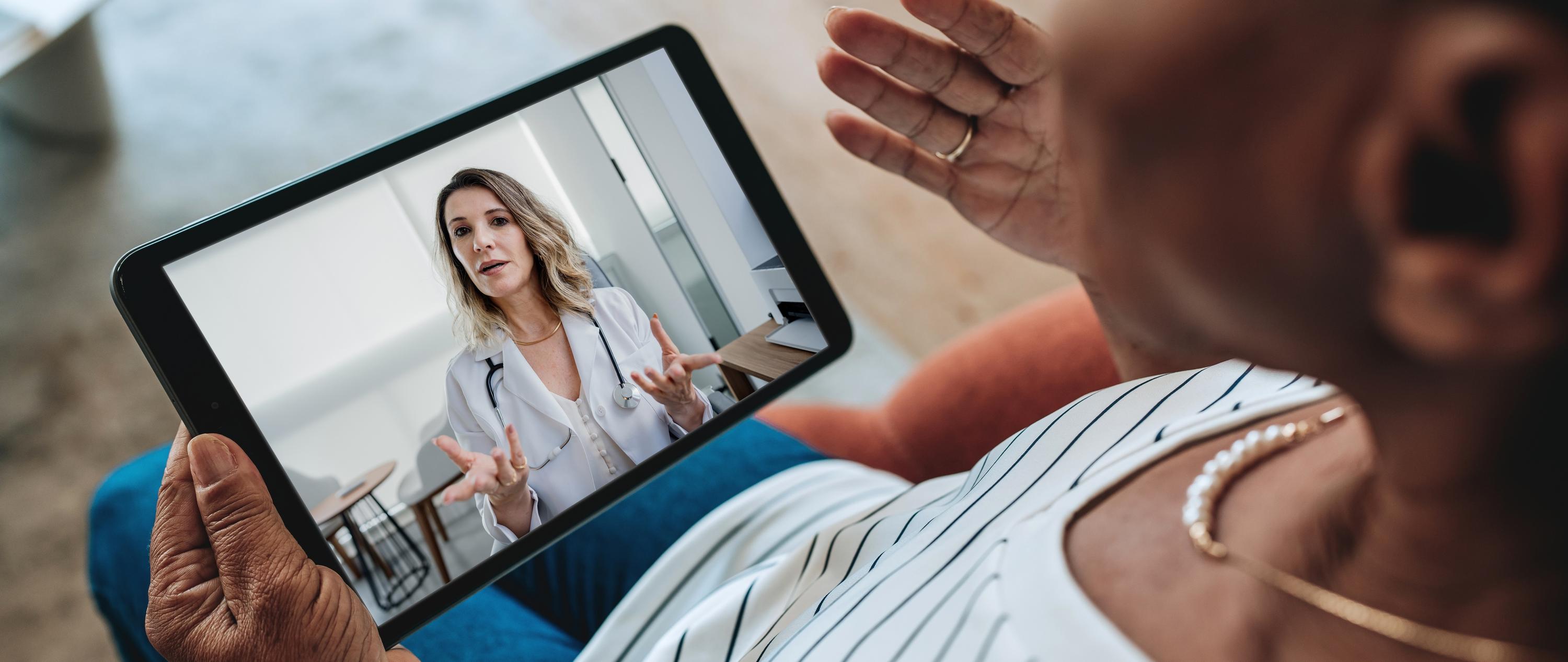
Digital tools can reduce the burden of participation when used appropriately. Prescreening may be completed online, while telehealth visits, electronic diaries, and patient portals can make participation less disruptive to daily life. Initial dosing or certain assessments may still need to occur on-site, but follow-up visits can often be conducted virtually or in the patient’s home.
However, technology alone is not sufficient. Not every patient has reliable broadband access or feels comfortable using digital tools. In-home services can be transformative in these situations, allowing individuals who might otherwise be excluded because of distance, time constraints, or mobility challenges to participate. Scheduling flexibility also matters. Early morning appointments, evening hours and weekend visits can make research accessible to people balancing employment, caregiving, and other responsibilities.
The people delivering these services are equally important. When site teams reflect the communities they serve, patients may feel more comfortable engaging openly. Ongoing training helps ensure that cultural norms, dietary practices, and communication preferences are understood and respected, so interactions feel personal rather than transactional.
None of these measures is revolutionary on its own. At Trialmed, we seek to incorporate as many of them as possible, recognizing that small, practical design choices can collectively reduce patient burden and enable participation from more diverse populations.
What Participation Means for Patients
As a physician, I often think about what patients gain from participating in research, beyond the investigational treatment itself.
In many of the metabolic disease studies I work on, patients receive a level of support that goes well beyond what they might receive in routine care. Even patients randomized to placebo often receive lifestyle and nutrition coaching, guidance on physical activity, and regular check-ins. Some studies even provide healthy, portion-controlled meals each week.
These interventions can meaningfully improve health outcomes and reshape how patients perceive clinical research, as supportive and relevant rather than abstract or intimidating.
When patients have a positive experience, they share it with family members, friends, and neighbors. Over time, that word-of-mouth normalizes clinical research and builds familiarity and trust across communities.
Representation and Precision Medicine Go Hand in Hand
As medicine becomes more precise, representation in clinical research becomes even more important.
We know that standard measures don’t apply uniformly across populations. For example, Asian patients may face metabolic risk at lower body mass index thresholds than white patients. Similar nuances exist across many disease areas.
As therapies target more specific genetic or biological profiles, diversity becomes essential in understanding who benefits and who may not benefit from a specific treatment.
How Trialmed Supports Diversity in Clinical Trials
Trialmed brings together dedicated and affiliate sites across a global network, supported by shared systems, training, and home trial services. This structure allows us to combine local knowledge with coordinated execution.
Every community is different. As a network, sites share insights and approaches that work locally without losing community specificity. One site may be particularly effective at engaging a specific population. Another may develop an outreach approach that resonates locally. Those insights don’t have to stay siloed.
Importantly, we don’t replace the site-level relationships that make this work possible. Trialmed provides the infrastructure that enables consistent engagement and reduced patient burden.
I often describe the philosophy as “engage, build relationships, then enroll.” Engagement comes first: showing up, educating, and being present to support communities. Relationship building follows, through support that makes participation realistic. Our focus is on building trust and curiosity within communities and recognizing that enrollment may or may not follow, with the understanding that both outcomes are meaningful.
Looking Ahead
Even as we make progress, there will always be more nuance, more subpopulations and more opportunities to do better.
My hope is that diversity and inclusion continue to be woven into the fabric of how trials are designed, not as a separate initiative but as a given. That requires sustained investment, ongoing training and a willingness to keep showing up for local communities, whether or not that engagement leads to enrollment in a particular trial.
At the end of the day, clinical research only succeeds if it serves the people it’s meant for. When communities see themselves reflected in trials, and feel respected throughout the process, everyone benefits: not just sponsors and sites but ultimately the patients we serve.