
Key Takeaways
T cell therapies (CAR-T, TCR-T) have produced the most dramatic clinical responses in hematologic cancers.
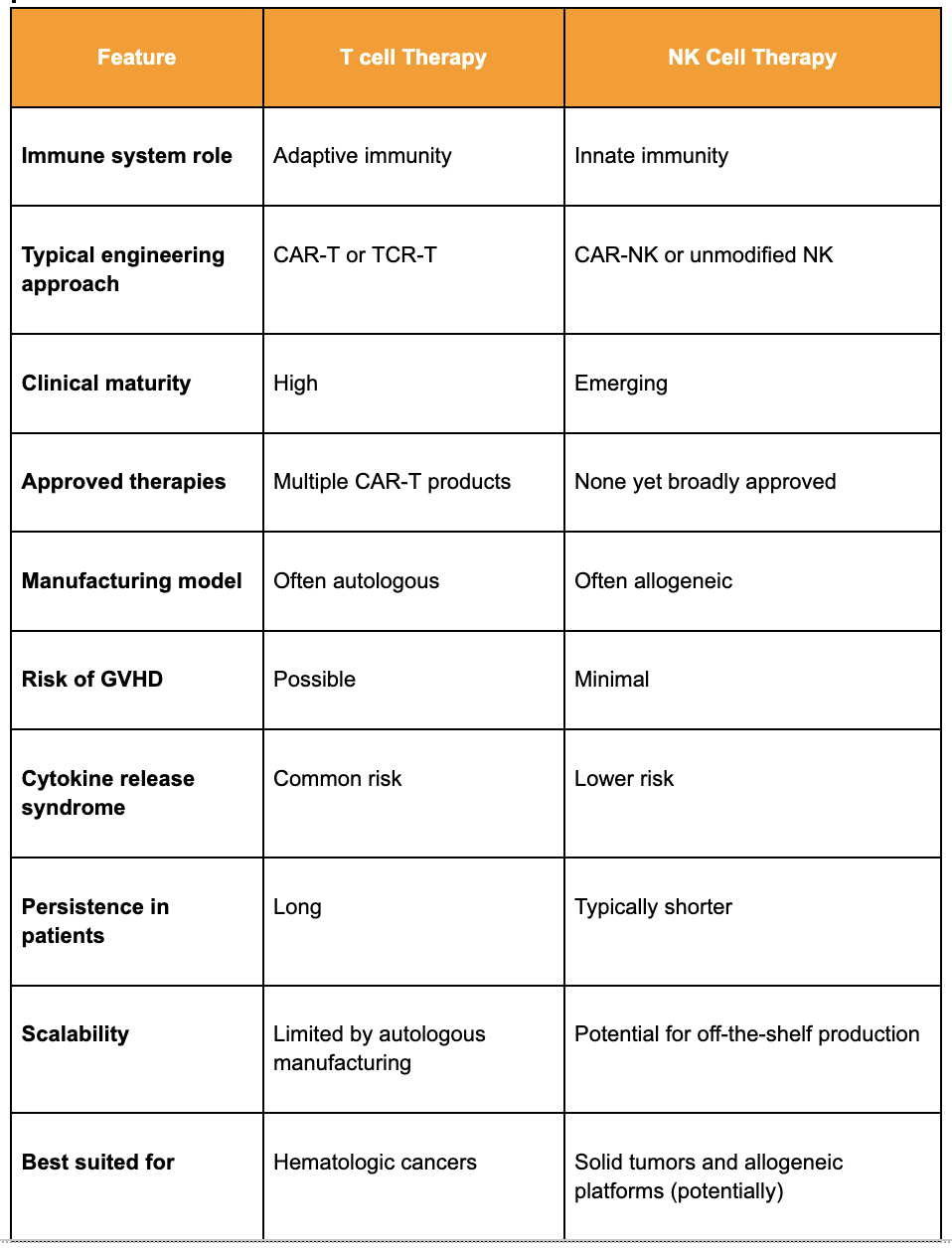
NK cell therapies may reduce risks of cytokine release syndrome (CRS) and graft-versus-host disease (GVHD).
T cell therapies are often autologous and patient-specific, while NK cells are more compatible with allogeneic “off-the-shelf” approaches.
NK therapies may be easier to manufacture at scale but historically have shown lower persistence in patients.
The field is increasingly exploring engineered NK cells (CAR-NK) to combine safety advantages with stronger antitumor activity.
Why This Comparison Matters Now
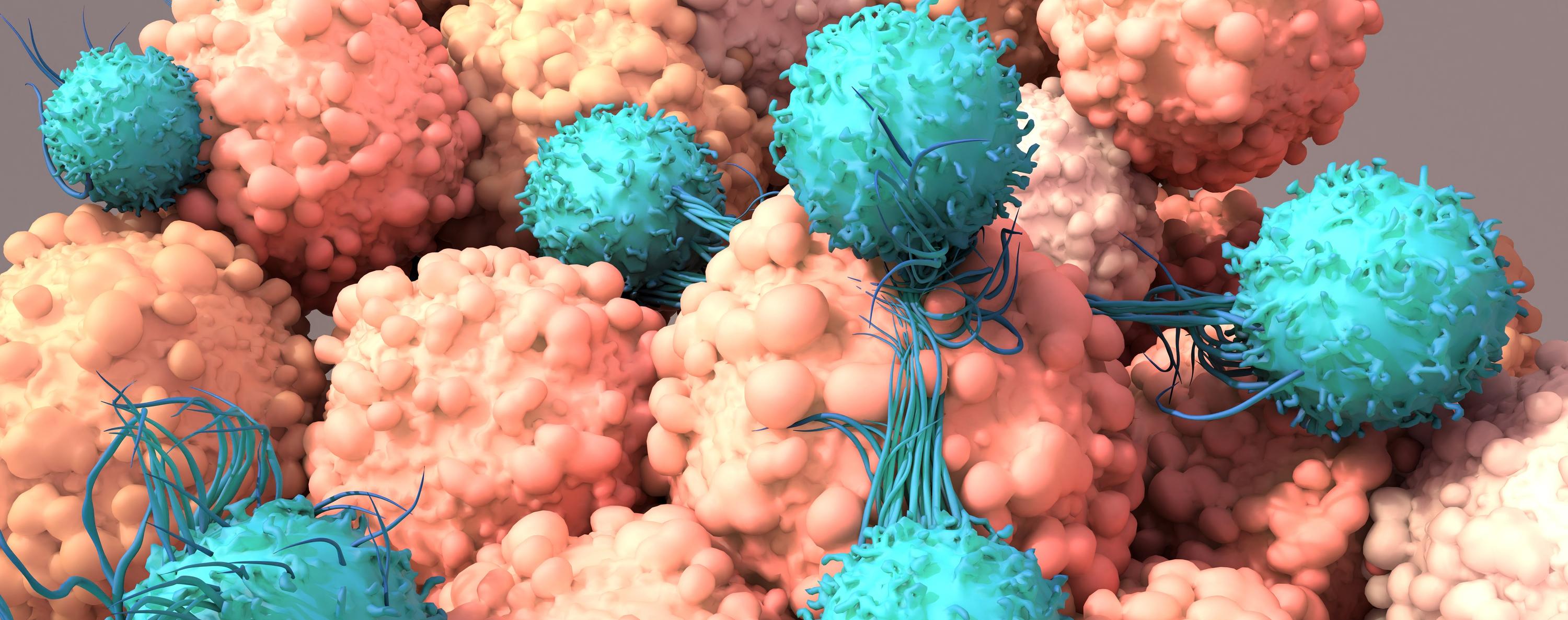
Adoptive cell therapies have transformed the treatment of certain cancers, particularly hematologic malignancies. Most clinical breakthroughs have been achieved with engineered T cell therapies, including chimeric antigen receptor T cell (CAR-T) products targeting CD19 and other tumor antigens.
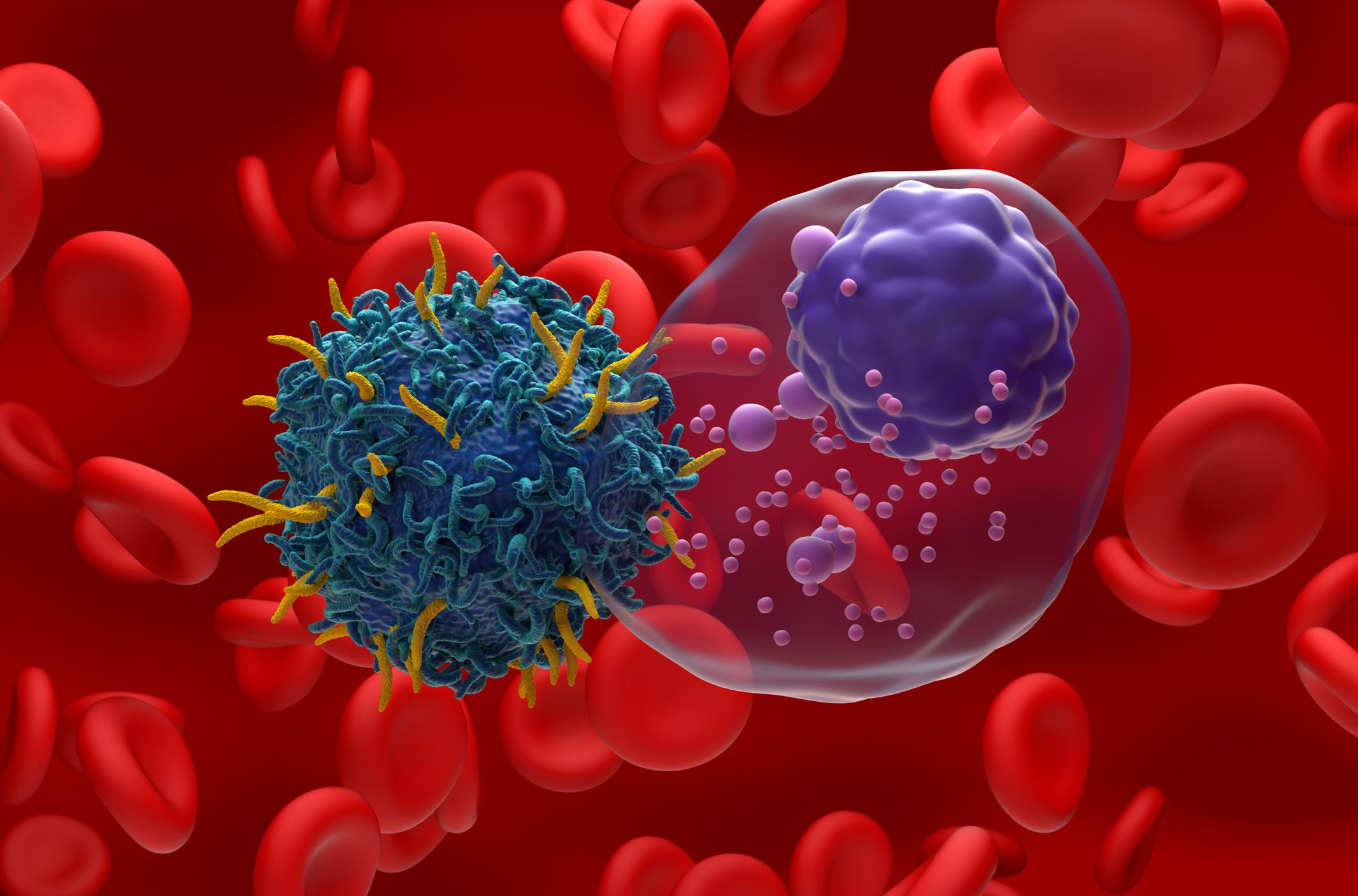
However, the complexity, cost, and safety risks associated with T cell therapies have prompted intense interest in alternative immune effector cells. Natural killer (NK) cells, which are part of the innate immune system, are now being investigated as a platform for next-generation cell therapies.
The comparison between NK cell therapy and T cell therapy reflects a broader industry question: whether future cell therapies will remain highly personalized autologous treatments or evolve toward scalable allogeneic platforms.
 Mechanistic Differences
T cells are part of the adaptive immune system and recognize antigens presented by major histocompatibility complex (MHC) molecules. CAR-T therapies genetically engineer T cells to recognize specific tumor antigens and trigger strong cytotoxic responses.
NK cells belong to the innate immune system and can kill abnormal cells without antigen presentation through a balance of activating and inhibitory receptors. This allows NK cells to recognize stressed or malignant cells even when tumors evade adaptive immune recognition.
Because NK cells do not rely on antigen presentation in the same way as T cells, they may be better suited to targeting tumors that evade T cell recognition.
Manufacturing and Operational Considerations
CAR-T therapy is often manufactured from a patient’s own T cells through an autologous process that includes cell collection, genetic engineering, expansion, and reinfusion. This individualized workflow contributes to high costs and long manufacturing timelines.
NK cell therapies, by contrast, can potentially be derived from donor cells, umbilical cord blood, or induced pluripotent stem cells. This opens the possibility of allogeneic “off-the-shelf” cell therapy products, which could dramatically simplify manufacturing and distribution.
Regulatory and Clinical Implications
CAR-T therapies have already demonstrated strong efficacy in several hematologic malignancies, leading to multiple regulatory approvals globally. However, these therapies can cause significant toxicities, including cytokine release syndrome and neurotoxicity.
NK cell therapies may offer a safer profile because NK cells do not trigger GVHD and may produce less severe immune activation. Clinical trials are currently exploring CAR-NK strategies designed to improve persistence and potency.
Best Fit by Use Case
T cell therapy is generally preferred when:
High potency and durable responses are required
Established CAR-T targets exist
Autologous manufacturing is feasible
NK cell therapy may be preferred when:
Off-the-shelf therapies are desired
Safety and toxicity concerns are paramount
Allogeneic manufacturing models are being pursued
Verdict: Which Should You Choose?
T cell therapies currently remain the most clinically validated approach to adoptive cell therapy. However, NK cell therapies could enable more scalable and potentially safer cell therapy platforms in the future.
Rather than replacing T cell therapies, NK therapies are likely to expand the range of immune cell platforms available for engineered cancer treatments.