
Key Takeaways
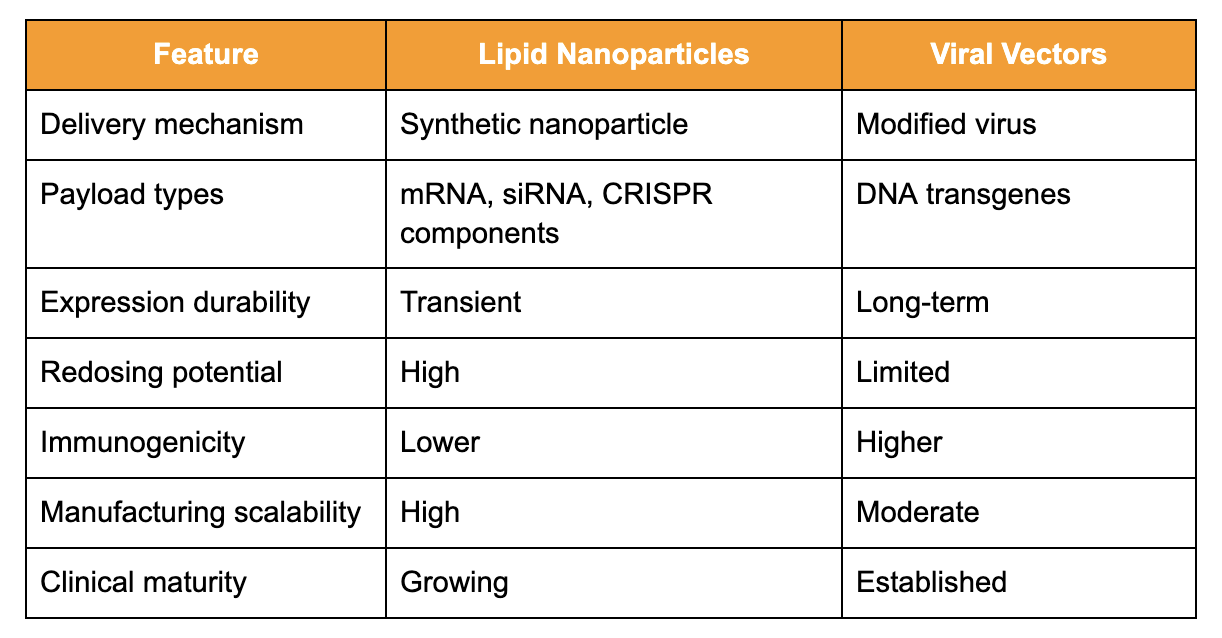
Lipid nanoparticles (LNPs) enable delivery of mRNA, small interfering RNA (siRNA), and gene-editing systems such as CRISPR components without relying on viral infection mechanisms.
Viral vectors remain the most efficient gene delivery platforms and can support long-term or permanent expression of therapeutic genes.
LNP systems typically allow repeat dosing, whereas many viral vectors trigger immune responses that can limit redosing.
Viral vectors are widely used in gene replacement therapies, while LNPs have become central to RNA therapeutics, vaccines, and emerging gene-editing approaches.
From a manufacturing perspective, LNP platforms generally offer greater scalability and process simplicity compared with viral vector production.
Why This Comparison Matters Now
Efficient delivery of nucleic acid therapeutics remains one of the central challenges in modern biotechnology. Whether a therapy relies on messenger RNA, gene replacement, or gene editing, the therapeutic payload must be delivered safely and efficiently into target cells. As a result, delivery technologies have become one of the most critical enabling platforms for next-generation medicines.
For decades, viral vectors dominated gene delivery strategies because viruses have evolved highly effective mechanisms for entering cells and introducing genetic material. Adeno-associated virus (AAV), lentivirus, and other viral systems have therefore become foundational tools in gene therapy development. Many of the first approved gene therapies rely on viral vectors precisely because of their efficiency and ability to support durable gene expression.
However, the rapid development and global deployment of mRNA vaccines during the COVID-19 pandemic dramatically increased attention on non-viral delivery technologies, particularly lipid nanoparticles. These synthetic delivery vehicles demonstrated the ability to safely deliver nucleic acids at massive scale, highlighting their potential for a wide range of therapeutic applications beyond vaccines.
As RNA therapeutics, gene editing technologies, and next-generation gene therapies continue to expand, developers must determine whether viral or non-viral delivery platforms best align with their therapeutic strategy. Each approach offers distinct advantages and limitations that influence safety profiles, manufacturing complexity, durability of expression, and clinical applicability.
 Mechanistic Differences
Lipid nanoparticles deliver nucleic acid payloads through synthetic lipid-based carriers designed to encapsulate and protect fragile genetic material. These particles typically consist of ionizable lipids, helper lipids, cholesterol, and polyethylene glycol (PEG)-lipids that stabilize the particle structure. Once administered, LNPs enter cells primarily through endocytosis. Acidification within the endosome then triggers release of the nucleic acid payload into the cytoplasm.
Because most LNP-delivered therapies involve RNA molecules, such as mRNA or gene editing components, the delivered genetic material typically functions transiently within the cell before being degraded. This transient expression can be advantageous in many therapeutic contexts, including vaccines or gene editing approaches where long-term expression is not required.
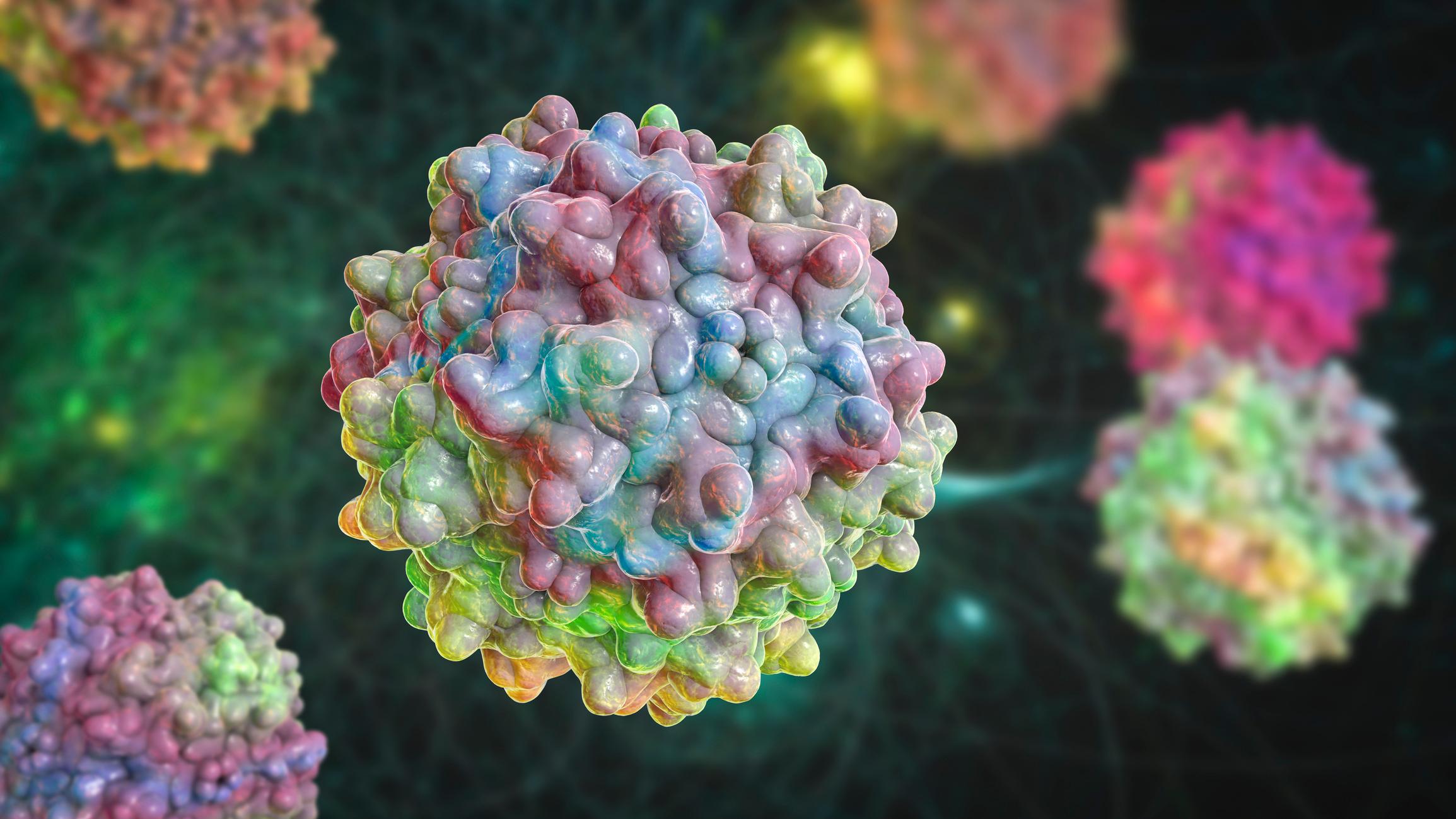
Viral vectors operate through fundamentally different mechanisms. By harnessing viruses that have been genetically modified to remove pathogenic elements, developers can exploit the natural ability of viruses to infect cells and deliver genetic material. For example, AAV vectors can efficiently deliver DNA into the nucleus of target cells, enabling long-term expression of therapeutic genes. Lentiviral vectors go even further by integrating genetic material into the host genome, enabling permanent gene expression in dividing cells.
These viral mechanisms often produce far higher delivery efficiency than non-viral systems. However, they also introduce biological complexities, including immune responses and safety considerations associated with viral particles and genomic integration.
Manufacturing and Operational Considerations
Manufacturing considerations play an increasingly important role in determining which delivery platform is selected for a therapeutic program. Viral vector production relies on complex biological manufacturing processes that typically involve mammalian cell culture systems. These processes must generate large quantities of viral particles while maintaining strict biosafety standards and ensuring consistent vector quality.
Scaling viral vector production has proven challenging across the gene therapy industry. Issues such as vector yield, empty capsid formation, purification complexity, and manufacturing cost have all emerged as major bottlenecks for gene therapy commercialization.
Lipid nanoparticle manufacturing, in contrast, relies on synthetic chemistry and controlled mixing processes. LNPs are typically produced through microfluidic mixing techniques that combine lipid solutions with nucleic acid payloads under tightly controlled conditions. These processes can be scaled relatively efficiently and do not require the biological systems necessary for viral vector production.
As a result, many observers view LNP systems as offering potential advantages in manufacturing scalability and cost of goods. However, achieving consistent tissue targeting and delivery efficiency remains a significant technical challenge for non-viral systems.
Best Fit by Use Case
Lipid nanoparticles are typically preferred when:
RNA therapeutics such as mRNA or siRNA are being delivered
repeat dosing is required over time
transient gene expression is sufficient for therapeutic effect
manufacturing scalability and rapid production are priorities
Viral vectors are typically preferred when:
durable or permanent gene expression is required
gene replacement therapies are being developed
high delivery efficiency into specific tissues is essential
ex vivo cell engineering approaches are being used
Verdict: Which Should You Choose?
Lipid nanoparticles and viral vectors represent two fundamentally different approaches to gene delivery, each with distinct strengths and limitations.
Viral vectors remain the dominant platform for many gene replacement therapies because of their high delivery efficiency and ability to support long-term gene expression. These characteristics are particularly important for diseases where sustained production of a therapeutic protein is required.
Lipid nanoparticle systems, however, are rapidly expanding the capabilities of nucleic acid therapeutics. Their ability to deliver RNA molecules safely and repeatedly, combined with scalable manufacturing processes, has made them central to the development of mRNA vaccines, RNA interference therapies, and emerging gene-editing strategies.
Rather than replacing viral vectors, lipid nanoparticles are increasingly complementing them. As the therapeutic landscape continues to diversify, developers will likely choose between these platforms based on the specific biological, clinical, and manufacturing requirements of each program.