Key Takeaways
Cleaning chemistry is critical manufacturing infrastructure. Clean-in-place (CIP) systems are essential for maintaining cGMP compliance in stainless-steel biomanufacturing facilities, enabling reliable removal of residues between production campaigns.
Low-foam requirements have historically shaped CIP detergent chemistry. Because excessive foam disrupts pumps and fluid flow in recirculating systems, formulators have traditionally limited surfactant choices, often compensating with highly alkaline detergents.
Highly alkaline formulations introduce environmental and operational challenges. Extreme pH levels can complicate wastewater management, increase infrastructure corrosion risks, and require stricter chemical handling procedures.
Advances in surfactant and detergent chemistry are enabling new detergent formulations. Modern surfactant systems can deliver strong emulsification and soil removal while maintaining low-foam performance, reducing the need for extreme alkalinity.
Emerging CIP detergents may improve sustainability and operational efficiency. Lower-alkalinity formulations have the potential to reduce wastewater treatment burdens, improve worker safety, and support more sustainable manufacturing and infrastructure.
Cleaning as a Core GMP Requirement
Although it attracts far less attention than other aspects of current good manufacturing practices (cGMP), cleaning is a fundamental activity, as the integrity of every batch depends on the condition of the equipment used to produce it. Process vessels, piping, transfer lines, filters, and ancillary components come into direct contact with drug substances, intermediates, and excipients. Residues left behind from previous operations can introduce contamination risks, compromise product quality, or interfere with analytical results if they are not effectively removed between production campaigns. Regulatory frameworks governing pharmaceutical manufacturing include equipment cleaning and maintenance as required elements of cGMP rather than a routine maintenance task.
Current regulations require manufacturers to clean and maintain equipment at appropriate intervals to prevent contamination that could affect the safety, identity, strength, quality, or purity of drug products. These requirements apply not only to major process equipment but also to utensils and ancillary components used throughout the manufacturing process. Facilities must establish written procedures describing how equipment is cleaned and maintained, including the methods, materials, schedules, and responsibilities associated with those activities.1
Regulatory expectations extend beyond procedural documentation. Cleaning processes must also be demonstrated to work reliably under actual manufacturing conditions. U.S. Food and Drug Administration (FDA) guidance emphasizes that cleaning procedures should be validated to show that they consistently remove residues and contaminants to predetermined acceptance criteria. It also notes that cleaning procedures must account for factors such as the design of the equipment, the materials of construction, the conditions of use, and the substances that could contaminate the equipment.2 Validation studies establish the scientific basis for cleaning methods, demonstrating that cleaning procedures consistently remove residues from product-contact surfaces to predetermined acceptance criteria.2
In practice, this validation framework shapes how cleaning is designed and implemented across pharmaceutical facilities. Cleaning agents must be compatible with manufacturing materials, effective against the residues encountered in production, and suitable for use within the facility’s process equipment and utilities. Process engineers and quality teams evaluate these factors alongside operational considerations, such as cycle time, water use, and equipment compatibility. Cleaning therefore functions as a form of manufacturing infrastructure: a set of systems, procedures, and chemical tools that enable equipment to move safely from one production campaign to the next while maintaining regulatory compliance.
Stainless-Steel Manufacturing and Clean-in-Place Systems
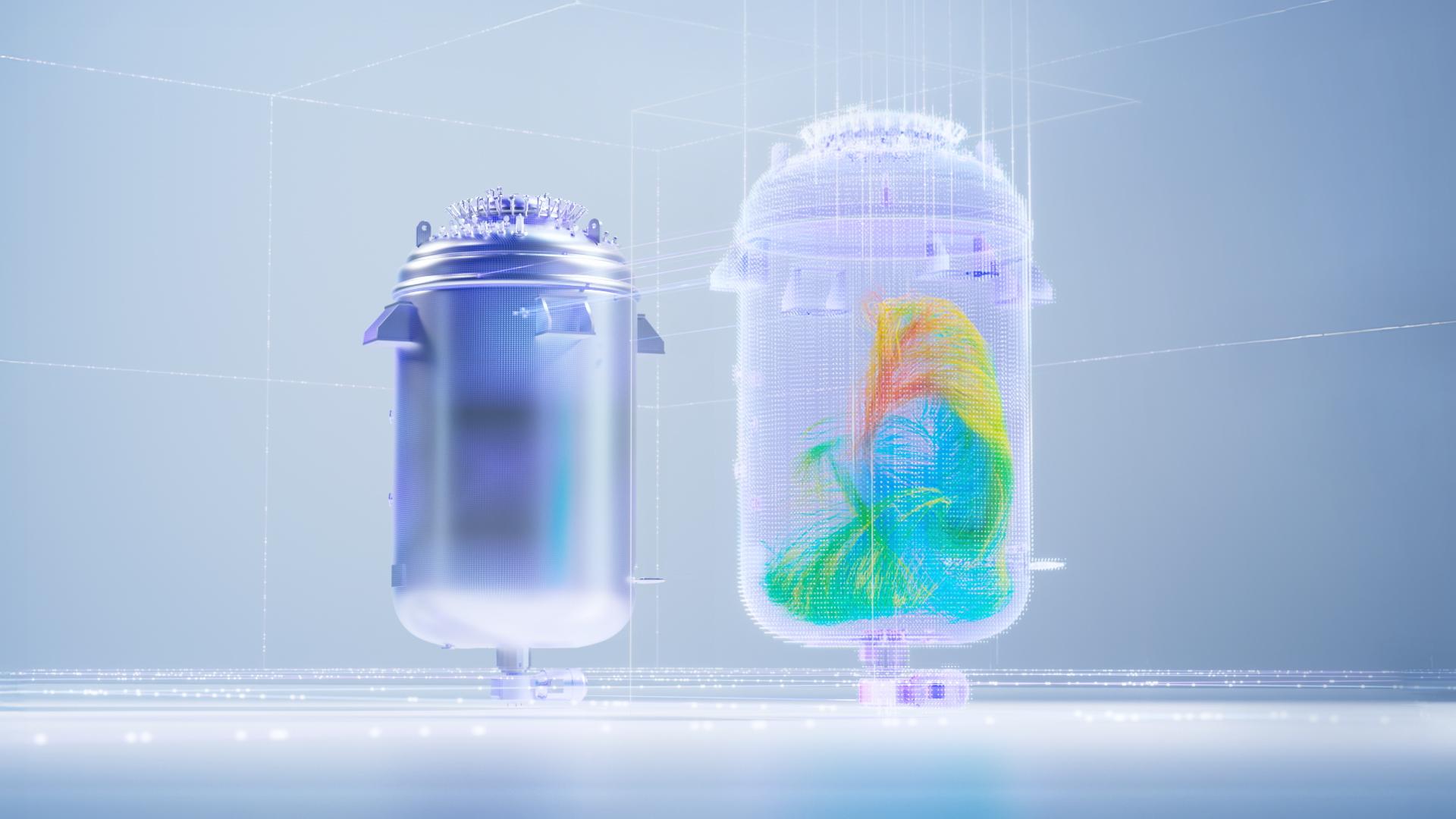
In facilities built around reusable stainless-steel equipment, the cleaning requirements described above are typically addressed through clean-in-place (CIP) systems. Rather than disassembling tanks, piping, and associated process components between production campaigns, CIP systems allow those internal surfaces to be cleaned while the equipment remains fully assembled. Cleaning solutions are introduced directly into the process equipment and circulated through the system in a controlled sequence designed to contact all direct product-contact surfaces.
During a CIP cycle, cleaning solutions are pumped through vessels, piping networks, and process lines while spray devices or spray balls distribute the liquid over internal surfaces. Recirculation pumps maintain the flow required to move cleaning agents throughout the system, helping ensure that detergent solutions reach areas where residues may accumulate. The effectiveness of the process depends on the interaction of several factors, including the chemistry of the cleaning solution, the temperature of the cleaning cycle, the mechanical action generated by fluid flow, and the time that the cleaning solution remains in contact with equipment surfaces.
CIP cycles themselves follow a defined sequence designed to remove residues and prepare equipment for the next manufacturing step. This typically begins with an initial rinse to remove bulk residues, followed by circulation of a detergent solution formulated to break down organic materials. Additional steps may include acid washes to address mineral deposits or inorganic residues, followed by one or more water rinses to remove cleaning agents from the system. Analytical measurements may also be used to verify that cleaning agents have been adequately rinsed from the system before production resumes.
Sustainability Tradeoffs in Biomanufacturing Infrastructure
Because cleaning agents circulate repeatedly through process equipment and ultimately enter facility wastewater streams, the chemistry used in CIP systems has implications that extend beyond cleaning performance alone and cannot be considered in isolation from the broader infrastructure of pharmaceutical manufacturing. Cleaning processes are embedded within facility design decisions that influence water consumption, energy use, waste generation, and other environmental factors. As sustainability has become a growing focus within the biopharmaceutical industry, these operational dependencies have drawn increasing attention.
Facilities built around reusable stainless-steel process equipment rely heavily on cleaning and sterilization utilities to prepare equipment for subsequent manufacturing campaigns. CIP systems remove residues using circulating cleaning solutions, while steam-in-place (SIP) systems are commonly used to sterilize equipment before production begins again. Together, these systems form a critical part of the infrastructure supporting stainless-steel manufacturing environments.
These cleaning and sterilization operations can require significant quantities of water, cleaning agents, and energy. Cleaning operations can represent a meaningful contributor to water consumption in facilities that rely extensively on stainless-steel equipment, as equipment must be repeatedly rinsed and cleaning solutions must be circulated and flushed from process systems before production can resume.
These considerations have become part of a wider debate over the environmental footprint of different biopharmaceutical manufacturing approaches. Single-use technologies, while widely adopted for their operational flexibility, introduce significant environmental challenges. The disposable polymer components used in these systems must be discarded after use, and they are frequently managed through incineration or landfill disposal, raising concerns about solid waste generation and life cycle environmental impact.
At the same time, single-use technologies have notable advantages from an environmental health and safety (EHS) in certain manufacturing contexts because they eliminate many of the cleaning and sterilization steps associated with reusable equipment. By avoiding CIP and SIP cycles, single-use systems can reduce water, chemical, and energy consumption that would otherwise be required to clean stainless-steel process equipment between production campaigns.
As manufacturers weigh these competing considerations, the sustainability discussion increasingly centers on the tradeoffs inherent in different production strategies. Cleaning chemistry represents one element of this broader picture. Because detergents are among the most frequently used chemical inputs in cleaning operations, their formulation and usage patterns can influence both wastewater management requirements and the environmental footprint of manufacturing facilities. For facilities that rely on stainless-steel manufacturing infrastructure, improvements in cleaning chemistry therefore represent one potential pathway for reducing environmental and operational burdens without abandoning reusable processing equipment.
Environmental and Safety Implications of Cleaning Chemistry
The chemical characteristics of cleaning agents also influence how CIP operations interact with EHS frameworks. Detergents used in recirculating cleaning systems may ultimately enter facility wastewater streams and must be managed in accordance with regulatory requirements governing industrial discharges and hazardous waste. As a result, the pH and corrosive potential of cleaning solutions can affect both regulatory compliance and facility operations.
Under U.S. environmental regulations, aqueous wastes that exhibit extreme pH values may exhibit the corrosivity characteristic used to classify hazardous waste. Federal rules identify liquids with a pH greater than or equal to 12.5, or less than or equal to 2, as exhibiting the corrosivity characteristic used in hazardous-waste determinations.3 Further, municipal regulations can vary from location to location, and may mandate a tighter pH range. While the classification of any particular waste stream depends on its composition and the conditions under which it is generated, these thresholds illustrate why highly alkaline cleaning agents can raise questions about downstream waste handling.
Even when wastes are not formally classified as hazardous, extreme pH levels can still present operational concerns for wastewater systems. Environmental guidance notes that discharges with very high or very low pH can corrode collection systems and infrastructure associated with wastewater treatment. For this reason, industrial facilities often implement pretreatment steps or neutralization processes to ensure that discharges entering publicly owned treatment works fall within acceptable pH ranges.3
Worker safety considerations intersect with these environmental issues. Occupational safety guidance identifies substances with extreme pH values as potential causes of skin corrosion or irritation, particularly when the material’s buffering capacity allows the pH to remain strongly acidic or alkaline upon contact with biological tissues. These characteristics can influence how cleaning chemicals are handled in industrial settings, including requirements for personal protective equipment and handling procedures.4
These environmental and safety considerations help explain why cleaning chemistry has implications beyond the immediate task of residue removal. The formulation of CIP detergents can influence wastewater management practices, infrastructure protection, and worker protection measures within manufacturing facilities. As a result, decisions about cleaning chemistry often intersect with broader EHS strategies in pharmaceutical operations, shaping how facilities manage environmental impact, infrastructure integrity, and worker safety.
Soil Removal Challenges in Biopharmaceutical Cleaning
At the same time, the effectiveness of CIP systems depends on how cleaning solutions behave within the process itself. Because the entire process depends on circulating fluids through enclosed equipment, the properties of the cleaning solution play an important role in how well CIP systems function. Flow behavior, foaming characteristics, and the ability of the detergent to interact with residues all influence whether cleaning cycles can operate reliably and consistently. These operational realities help explain why detergent chemistry has become an important factor in the design and performance of CIP systems in pharmaceutical manufacturing.
Production equipment used in pharmaceutical and biopharmaceutical manufacturing is exposed to complex mixtures of materials during operation. These materials can include proteins, lipids, cell culture media components, buffers, excipients, and other organic compounds generated during upstream and downstream processing. When these substances contact equipment surfaces, they can form strongly adherent deposits or fouling layers that resist removal by simple rinsing. Effective cleaning therefore requires chemical agents and mechanical action capable of disrupting and removing these residues from product-contact surfaces.5,6
In many cases, residues encountered in bioprocessing environments form films or biofouling layers that adhere tightly to stainless-steel surfaces. Such deposits can accumulate in process vessels, piping, and other equipment components during production and may be difficult to remove without appropriate cleaning strategies. CIP systems are designed to address these challenges by circulating cleaning solutions through equipment to remove product residues and microbial contamination from internal surfaces.7
Surfactants play a central role in the removal of many types of manufacturing residues. These molecules reduce the surface tension of aqueous cleaning solutions, allowing liquids to spread more effectively across equipment surfaces and penetrate deposits that might otherwise remain attached. By improving wetting and interfacial interactions between the cleaning solution and the residue layer, surfactants facilitate the detachment of soils from solid surfaces.8
In addition to improving wetting, surfactants can help keep detached material suspended in the cleaning solution so that it can be removed from the system during circulation and rinsing rather than redeposited elsewhere in the equipment. Surfactant-containing formulations can significantly improve the removal of soils and other contaminants from surfaces by enhancing dispersion and transport of particles away from the cleaned interface.9
Why Low Foam Is Critical in CIP Detergents
CIP systems depend on the controlled circulation of cleaning solutions through enclosed equipment. Pumps move cleaning fluid through vessels and piping, while spray devices distribute the solution across internal surfaces. The cleaning process relies on turbulent fluid flow and mechanical shear forces generated by the movement of the cleaning solution to remove residues from equipment surfaces. As a result, the physical behavior of the cleaning solution becomes a critical operational factor in CIP performance.10,11
Foaming can interfere with these hydrodynamic conditions. When detergents generate excessive foam, air may become entrained in the circulating fluid, which can disrupt stable fluid flow within the system. Because CIP systems depend on pumps to maintain continuous recirculation of cleaning solutions, foam formation can impair pump performance and reduce the efficiency of fluid circulation through piping and process vessels. In severe cases, excessive foam can contribute to pump cavitation or other hydraulic disruptions that interfere with cleaning performance.12
These operational constraints explain why low-foaming detergents are commonly specified for CIP applications. In recirculating cleaning systems, formulations are typically designed to minimize foam generation so that pumps, spray devices, and piping networks can maintain the flow conditions needed to deliver cleaning solutions throughout the system. Low-foam formulations help preserve the turbulent flow and mechanical action required for effective removal of soils from equipment surfaces.10,12
As a result, foam control has become an important consideration in CIP detergent design. Cleaning agents must provide sufficient detergency to remove complex residues while remaining compatible with the hydraulic and mechanical requirements of high-flow recirculating systems. Balancing these requirements has long shaped the formulation strategies used for detergents designed for automated CIP operations.
The Traditional Tradeoff in CIP Detergent Chemistry
The functional requirements described above create a difficult formulation problem for CIP detergents. Cleaning agents must remove stubborn organic residues while operating in recirculating systems where foam formation can disrupt equipment performance. These constraints have historically forced detergent designers to balance competing chemical and mechanical requirements.
Surfactants play a central role in removing manufacturing residues by improving wetting, emulsifying oils, and keeping contaminants suspended so they can be rinsed away. However, the fact that many surfactants that provide strong emulsification also generate foam when circulated through pumps and spray devices creates a formulation challenge in recirculating systems like CIP: detergents must deliver strong soil removal while remaining compatible with the low-foam conditions required for stable system hydraulics.
Detergent formulations for CIP systems often prioritize low-foaming characteristics. Achieving strong cleaning performance under those conditions has historically required other chemical mechanisms to compensate. One widely used approach has been to increase the alkalinity of the cleaning solution. Highly alkaline formulations can help break down proteins and other organic materials while supporting the removal of oils and fats from equipment surfaces.8
This combination of low-foam requirements and strong cleaning performance has shaped CIP detergent design for decades. Because surfactant systems are constrained by the need to minimize foam in recirculating systems, formulators have often relied more heavily on alkaline chemistry to deliver the detergency required to remove difficult organic residues. As a result, many traditional CIP detergents have been formulated with very high alkalinity to compensate for the limited emulsification capacity of low-foaming surfactant systems.
While effective for soil removal, highly alkaline formulations can introduce additional operational and environmental considerations, including the need for wastewater neutralization, infrastructure protection, and stricter handling precautions.
Advances in surfactant chemistry and formulation techniques are now opening alternative pathways for addressing these challenges. Modern surfactant systems can be engineered to provide strong emulsification and soil removal while maintaining low-foaming characteristics compatible with CIP circulation systems. By improving the efficiency with which residues are emulsified and suspended in solution, these formulations may reduce the need to rely on extreme alkalinity as the primary mechanism for detergency.
A New Approach to CIP Detergent Chemistry
Within this evolving formulation landscape, detergent developers are beginning to explore alternative ways to resolve the longstanding tradeoff between emulsification performance, foam control, and alkalinity in CIP systems. In a recent discussion, Michael Moussourakis, Vice President of Strategy at Alconox, LLC, described how advances in surfactant formulation are beginning to change the assumptions that have historically shaped CIP detergent design.
“The traditional approach to CIP detergents was shaped by a very real constraint,” Moussourakis explained. “In recirculating systems, foam is the enemy. If your surfactant system generates too much foam, you can disrupt pump performance,fluid flow and cleaning solution surface contact. Formulators had to limit the types of surfactants they used.”
That limitation had important consequences for cleaning performance. “When you restrict surfactant choice to control foam, you often lose emulsification power,” he said. “For decades, the way the industry compensated for that was by increasing alkalinity. Highly alkaline formulations became the default solution because they could break down proteins and other residues via alkaline hydrolysis, even when the surfactant system was constrained.”
Recent developments in surfactant chemistry and formulation design, however, are expanding the range of possible solutions. “Modern surfactant systems give us more flexibility than we had historically,” Moussourakis noted. “You can design formulations that maintain strong emulsification while still meeting the low-foam requirements that CIP systems demand.”
This approach led Alconox to create Halojet® Low-Foam, High Emulsification Cleaner, a CIP detergent developed to address the historical tradeoff between emulsification performance, foam control, and alkalinity. The novel free-rinsing formulation combines modern surfactant systems with foam-control strategies that allow the detergent to deliver strong soil removal while remaining compatible with the hydraulic requirements of recirculating CIP systems.
Because the emulsification capability of the surfactant system does not depend solely on a high-foaming nature, newer formulations can operate at lower pH levels than many legacy CIP detergents. “In the past, alkalinity was doing a lot of the heavy lifting,” he explained. “But if you can rely more on surfactant performance, you don’t necessarily need to push the pH as high. That opens the door to formulations that still deliver strong cleaning performance while operating under milder chemical conditions.” Halojet is designed to function at approximately pH 9.5 at usage concentrations, while maintaining the detergency required for pharmaceutical cleaning applications.
CIP detergents like Halojet illustrate how the longstanding foam–emulsification tradeoff may be addressed in new ways. By emphasizing surfactant performance and foam control rather than relying primarily on extreme alkalinity, these formulations aim to preserve cleaning effectiveness while altering the chemical conditions under which CIP systems operate.
Implications for Pharmaceutical Manufacturing
Changes in CIP detergent chemistry can influence several operational aspects of pharmaceutical manufacturing beyond the immediate task of residue removal. Because cleaning agents circulate through process equipment and may ultimately enter facility wastewater streams, their chemical characteristics affect how cleaning operations intersect with environmental management systems and workplace safety programs.
One potential implication involves wastewater handling. As discussed earlier, environmental guidance notes that discharges with extreme pH values can corrode wastewater collection systems and interfere with treatment processes, which is why industrial facilities often implement pretreatment or neutralization steps to control the pH of discharged wastewater.3 Cleaning agents that operate at lower alkalinity may reduce the degree of pH adjustment required before wastewater can be released to treatment systems, depending on the formulation and facility practices.
Operator safety considerations also intersect with cleaning chemistry. Occupational safety guidance notes that substances with extreme pH values are often associated with corrosive or irritating effects, which influences how chemicals are handled in industrial environments.4 Cleaning agents formulated at lower alkalinity may therefore affect the handling procedures, personal protective equipment requirements, and training protocols associated with CIP operations, though the precise implications depend on the characteristics of the specific formulation.
Operational logistics may also be affected by the chemical profile of cleaning agents. Detergent formulations designed to avoid extremely high alkalinity may simplify certain aspects of chemical handling and storage compared with legacy formulations that rely on more caustic chemistry. While the details of these operational differences vary by facility and regulatory jurisdiction, they illustrate how detergent formulation choices can influence multiple aspects of manufacturing infrastructure.
Adjustments in detergent formulation therefore have the potential to influence not only cleaning performance but also the broader operational framework in which pharmaceutical manufacturing takes place.
Modernizing the Chemistry Behind Clean Manufacturing
Cleaning will remain a permanent feature of pharmaceutical manufacturing as long as facilities rely on reusable process equipment. Regulatory guidance requires manufacturers to establish validated procedures demonstrating that manufacturing equipment can be effectively cleaned between production campaigns, and CIP systems have become the primary infrastructure used to meet those expectations in facilities built around stainless-steel process equipment.
For decades, the detergents used in these systems have reflected the operational constraints of CIP technology. Formulations were engineered to function within recirculating systems where foam interferes with pumps and fluid flow, while still providing enough chemical strength to remove complex organic residues. In many cases, that balance was achieved by pairing low-foaming formulations with highly alkaline chemistry capable of breaking down proteins, oils, and other materials encountered during production.
The broader operating environment for pharmaceutical manufacturing is now changing. Sustainability considerations, wastewater management practices, and worker safety frameworks are prompting manufacturers to look more closely at the chemical inputs used throughout their facilities. Cleaning agents are one of the most frequently used chemical tools in production environments, yet the underlying assumptions that shaped their formulation have remained largely unchanged for many years.
As manufacturers reassess the environmental, operational, and safety dimensions of their production systems, the chemistry of cleaning agents may become an increasingly important component of efforts to modernize pharmaceutical manufacturing infrastructure.
Developments in surfactant chemistry and formulation science are beginning to open new possibilities for CIP detergents. As illustrated by newer formulations, such as the Halojet cleaner, detergent designers are exploring ways to maintain effective cleaning performance while adjusting the chemical profile of the cleaning solution. These efforts reflect a broader shift toward reconsidering legacy infrastructure choices across pharmaceutical manufacturing.
CIP systems will continue to play a central role in facilities built around stainless-steel equipment. The chemistry used within those systems, however, is not fixed. As manufacturing priorities evolve, cleaning formulations may increasingly be designed not only for detergency and foam control but also for sustainability, compatibility with the environmental, operational, and safety frameworks that define modern pharmaceutical production.
References
1. §211.67 Equipment cleaning and maintenance. Code of Federal Regulations. Accessed 26 Mar. 2026
2. “Questions and Answers on Current Good Manufacturing Practice Requirements | Equipment.” U.S. Food and Drug Administration. Accessed 26 Mar. 2026
3. “Pretreatment Program pH Requirements for Industrial Users.” United States Environmental Protection Agency. Dec. 2024.
4. Appendix A to §1910.1200 – Health Hazard Criteria (Mandatory). Occupational Health and Safety Administration. Accessed 26 Mar. 2026
5. Gottschalk, Nathalie, et al. “Model food soils for investigating cleaning: A review.” Food and Bioproducts Processing. 136: 249–296 (2022).
6. Ostrov, Ievgeniia, et al. “Development of a Method to Determine the Effectiveness of Cleaning Agents in Removal of Biofilm Derived Spores in Milking System.” Front. Microbio. 7: 1498 (2016).
7. “CIP Failures Due to Biofilm Formation: Strategies for Prevention and Remediation.” Americal Pharmaceutical Review. 1 Apr. 2025.
8. Cheng, Kai Cong, et al. “Design and performance optimisation of detergent product containing binary mixture of anionic-nonionic surfactants.” Heliyon. 6: e03861 (2020).
9. Fernandes, Andreia PM, et al. “First Stage of the Development of an Eco-Friendly Detergent Formulation for Efficient Removal of Carbonized Soil.” Molecules. 27: 7460 (2022).
10. “Flow Dynamics in Cleaning Applications.” American Pharmaceutical Review. 1 Aug. 2024.
11. “CIP and Santiation of Process Plant.” SPX. 2011.
12. “CIP Chemicals: 4 Commonly Used Clean in Place Chemicals.” Central States Industrial Equipment (CSI). Accessed 27 Mar. 2026.