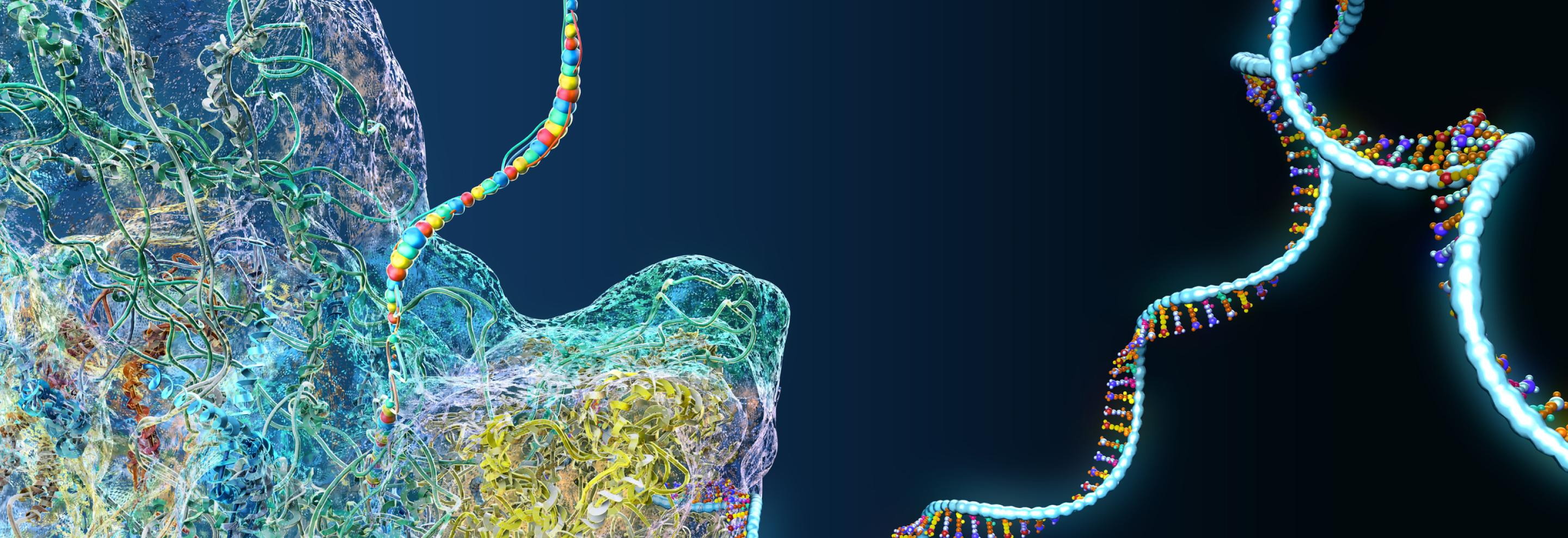
The potential of messenger RNA (mRNA) to address unmet medical needs continues to expand. Once best known for COVID-19 vaccines, mRNA is now being investigated as a therapeutic platform far beyond infectious disease — including cancer vaccines, antibody-based therapies, protein and enzyme replacement, and both ex vivo and in vivo gene and gene-editing applications. By enabling the body to produce a much broader range of therapeutic proteins, mRNA technology expands the universe of druggable targets from just a fraction of the genome to the majority, creating unprecedented opportunities for innovation and renewed hope for patients with few treatment options.
Beyond COVID-19: The Expanding mRNA Pipeline
The success of the first mRNA vaccines against COVID-19 unleashed a wave of investment, leading to the rapid expansion of clinical programs across multiple therapeutic areas. Since their approval, more than 70 mRNA candidates have entered clinical trials, spanning not only vaccines for infectious diseases and cancers but also antibody therapeutics, protein replacement therapies, and cell and gene therapies.1,2
mRNA is well suited to this diversity of applications because of several inherent advantages. It is transient, does not integrate into the host genome, and enables efficient protein expression directly in the cytoplasm. Just as importantly, it lends itself to scalable, platform-based manufacturing. Compared with traditional vaccines, protein biologics, or cell and gene therapies, the production of mRNA therapeutics generally requires fewer steps and is more easily standardized.1
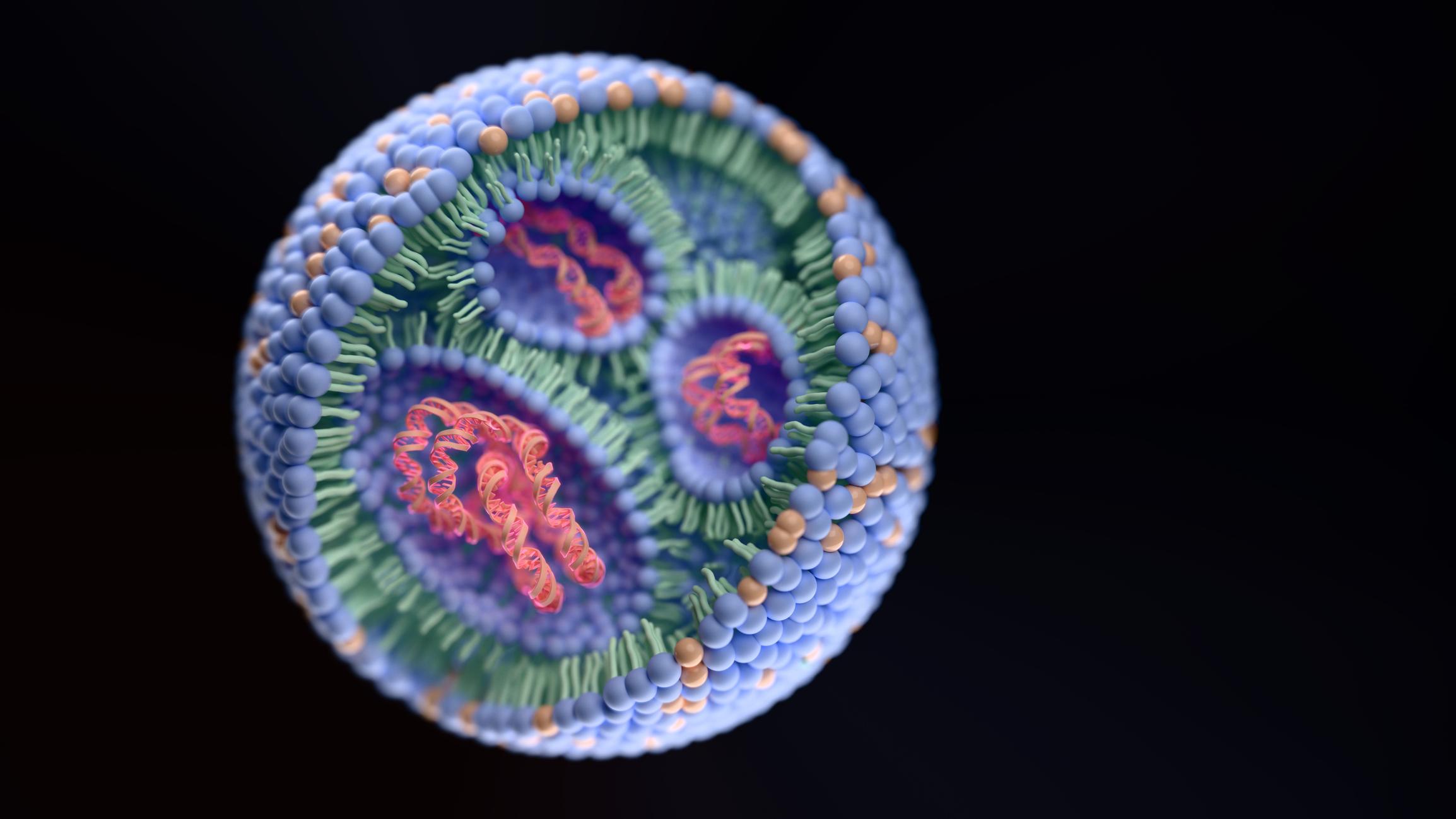
The core process is straightforward: once the target sequence — whether viral antigen, monoclonal or bispecific antibody, or therapeutic protein — is defined, developers design the 5′ cap and poly(A) tail and generate a DNA template, either plasmid-based or synthetic. In vitro transcription (IVT) yields the mRNA drug substance, which is then encapsulated in a delivery vehicle, most often a lipid nanoparticle (LNP). Advances in LNP engineering, including new ionizable lipids, optimized helper lipid ratios, and ligand addition for receptor-specific targeting, are extending delivery beyond the liver and enabling controlled release.3 At the same time, developers tune 5′/3′ UTRs (untranslated regions), codon usage, and nucleoside modifications to balance expression and immunogenicity by indication — boosting innate signaling in vaccines while dampening it for protein replacement or gene-editing applications.2,4 These innovations are especially important as developers tailor delivery strategies to the needs of vaccines, protein replacement, or gene-editing applications.4
Efficiency further strengthens the economic case. The IVT process generates four to ten times more mRNA than the amount of starting DNA template, while therapeutic doses require much less material than conventional biologics. Together, these factors reduce drug product requirements and allow for smaller, more cost-efficient manufacturing facilities.2
Rewriting the Vaccine Playbook with mRNA
The mechanism of action of mRNA vaccines makes them particularly attractive for diseases where conventional technologies have struggled. By instructing host cells to generate antigens, mRNA initiates strong immune recognition and response. The technology also allows for flexible design: sequences from multiple variants can be combined into a single construct for broader coverage, and multivalent vaccines targeting two or more distinct pathogens are achievable within the same formulation.1,4
This versatility has spurred development well beyond COVID-19. Programs are advancing against HIV/AIDS, tuberculosis, malaria, Zika, rabies, influenza, and other high-burden infectious diseases.2 For many of these, the ability to encode multiple antigens in one vaccine is a decisive advantage, potentially enabling stronger or longer-lasting protection where subunit and inactivated vaccines have fallen short.1
The platform nature of mRNA manufacturing further enhances its appeal for pandemic preparedness. Once a viral genome is sequenced — the true rate-limiting step — developers can rapidly generate a candidate with only minor adjustments to established processes. Manufacturing at scale can be initiated within months, a timeline that contrasts sharply with the years typically required for conventional vaccine modalities.1,5
Progress is equally notable in oncology. mRNA cancer vaccines are being designed to train the immune system to recognize proteins that are overexpressed, abnormally modified, or uniquely presented by tumor cells. Personalized vaccines, which rely on sequencing a patient’s tumor to identify neoantigens, are among the most advanced approaches.1,2 The first candidate targeted melanoma; today, pipelines include candidates for pancreatic cancer, glioblastoma, and lung cancer. Most late-stage assets rely on non-replicating mRNA (NRM), while self-amplifying RNA (saRNA) and trans-amplifying constructs are in preclinical or very early-phase clinical development.1,6 Notably, Moderna’s CMV vaccine (mRNA-1647) remains in phase III with a December 2024 DSMB review finding no safety concerns and recommending continuation, with a final analysis expected in late 2025.6 Likewise, its personalized melanoma vaccine (mRNA-4157/V940) combined with pembrolizumab has shown durable relapse-free and distant metastasis-free survival benefits with approximately three years of follow-up, supporting phase III expansion [Moderna].
For these cancer vaccines to succeed, developers are solving challenges across several fronts: identifying which tumor antigens offer the greatest therapeutic leverage, fine-tuning mRNA sequence and structural elements for durable expression, and refining delivery systems to ensure penetration of the tumor microenvironment (TME) without triggering harmful inflammation.3,4,7
Reimagining Antibodies Through mRNA
Although mRNA research initially concentrated on vaccine applications, mRNA therapeutics can give instructions for the production of many types of proteins beyond antigens. Indeed, mRNA sequences can encode for the heavy and light chains of clinically relevant monoclonal antibodies (mAbs), as well as the various components of bispecific antibodies, antibody fragments, and fusion proteins.1,8 Development of mRNA-based antibody therapeutics including checkpoint inhibitors and for cancer treatment is one example. In vivo generation of bispecific antibodies targeting the CD3 T cell receptor-associated molecule using mRNA immunotherapies have also been investigated to treat solid cancers (testicular, ovarian). mRNA-LNP therapeutics encoding for antibodies/antibody mimics against various toxins and the treatment of autoimmune disorders have also been studied.
The advantages are twofold. First, mRNA can enable the production of complex or unstable antibodies that are otherwise difficult to manufacture using conventional cell culture, which often introduces misfolding or degradation during upstream and downstream processing.1 Second, the economics are compelling. Producing mRNA is generally faster, simpler, and less resource-intensive than generating recombinant antibodies through mammalian cell lines.2 As effective therapeutic doses of mRNA tend to be lower than doses required for recombinant proteins, the resulting smaller manufacturing footprints translate into reduced capital investment and lower operating costs.9
Ongoing advances in delivery systems, particularly lipid nanoparticles derivatized with ligands for cell-specific targeting, may further expand the range of antibody therapeutics achievable with this approach.3 This strategy could also allow developers to “rescue” antibody formats too unstable for recombinant expression, broadening the therapeutic design space.1 Such innovations could make it possible not only to accelerate the development of next-generation biologics but also to reimagine existing antibody drugs in mRNA form — including lower-cost generic versions — while maintaining therapeutic activity and broadening patient access.2,9
Redefining Protein Replacement Therapy
Protein replacement therapies aim to supply patients with functional proteins that are missing, defective, or insufficiently produced, most often due to genetic disorders.1 Delivering proteins directly, however, is frequently inefficient and costly, as recombinant protein drugs are difficult to manufacture and may be rapidly degraded in circulation. mRNA-based therapies offer an alternative: rather than administering the protein itself, they provide the genetic instructions for cells to produce the therapeutic protein in vivo, potentially simplifying production and reducing costs by bypassing complex protein-manufacturing pipelines.1,2
The success of mRNA protein replacement depends on several factors: which tissues or cell types need to be targeted, the desired half-life of both the mRNA and the encoded protein, and whether the deficiency is chronic or episodic.4 For example, stable and sustained expression may be required in metabolic disorders, while intermittent dosing might suffice in conditions with fluctuating needs.4 Patient-specific factors, such as age, immune status, and comorbidities, also influence dosing strategies and tolerability. Delivery platforms are also critical. Because many metabolic diseases involve the liver, intravenously delivered mRNA–LNPs are currently the most common approach, with dosing schedules typically every two to three weeks.1 Emerging strategies are exploring extrahepatic targeting, such as bone marrow delivery for hematologic disorders and inhaled formulations for lung diseases.3
Several candidates are already in clinical development, addressing rare but severe conditions. These include therapies for methylmalonic acidaemia (deficiency of methylmalonyl-CoA mutase), acute intermittent porphyria (haploinsufficiency of porphobilinogen deaminase), Fabry disease (deficiency of α-galactosidase A), hemophilias A and B (factor VIII and IX deficiencies), glycogen storage disease, urea cycle defects, and phenylketonuria.1,2,10 All of these diseases are metabolic diseases for which delivery of the mRNA therapeutics to the liver is effective. Treatments are typically administered intravenously either bi- or triweekly. Preclinical studies also indicate that mRNA protein replacement therapy may be effective against diseases involving bone. Early preclinical data also suggest feasibility in disorders of the bone marrow and lungs, pointing to a future where delivery innovations could expand protein replacement therapies well beyond hepatic diseases.
Simplifying Adoptive Cell Therapy
Chimeric antigen receptor (CAR)-T cell therapies have transformed the outlook for many hematologic cancers. Patients with previously untreatable disease are now achieving durable remissions, with some surviving a decade or more after treatment. Despite this success, CAR T-cell therapies remain highly complex and costly. They require individualized manufacturing, sophisticated logistics, and specialized treatment centers, all of which restrict access and limit scalability.
mRNA offers a potential path to simplify and democratize these therapies.2–4 By delivering the genetic instructions directly into patients’ immune cells, mRNA constructs could enable in vivo generation of CAR T cells and other engineered lymphocytes without the need for costly and challenging ex vivo manipulation. Several mRNA–LNP candidates designed for this purpose are already in preclinical and early-phase trials, with encouraging signals that targeted delivery to immune cells can produce functional CAR-T–like responses.1,2 To achieve this, the mRNA is encapsulated in lipid nanoparticles modified with ligands — often antibody fragments — that selectively bind receptors on T cells or other immune subsets.3 Early, first-in-human results reported in 2025 suggest feasibility of this in vivo CAR-T approach, marking a pivotal step toward off-the-shelf adoptive cell therapies.2
This in vivo approach could significantly reduce costs and logistics, compressing the supply chain from weeks of patient-specific manufacturing to a potentially single-step infusion. It may also open the door to off-the-shelf CAR strategies that are not feasible with current methods.
At the same time, researchers are exploring mRNA-enabled ex vivo engineering for a broader set of diseases beyond oncology. Candidate therapies include immune cell modifications for sickle cell disease, β-thalassemia, type 1 diabetes, and chronic granulomatous disease, where restoring or reprogramming immune function could provide durable benefits.4,10
Safer, Smarter Gene Therapies with mRNA
In vivo gene therapies delivered with viral vectors, most often adeno-associated viruses (AAVs), have achieved notable successes, particularly in ophthalmic and certain neurodegenerative disorders where small, localized doses are sufficient. However, for systemic applications, safety concerns, such as immune responses, insertional mutagenesis, and dose-related toxicities have emerged, highlighting the limitations of viral approaches.1
These challenges have shifted attention toward nonviral delivery strategies, with mRNA emerging as a leading modality for enabling gene editing. mRNA can transiently encode CRISPR-Cas9 nucleases, base editors, or other editing enzymes, allowing permanent genetic modification without prolonged exposure to the editing machinery.2,4 Once the edit is made, the mRNA and guide RNAs degrade naturally, reducing the risk of unintended off-target effects or continued nuclease activity.2,4
A growing pipeline of mRNA-based gene editing therapies is advancing through preclinical and clinical stages. Programs are targeting transthyretin amyloidosis, hereditary angioedema, heterozygous familial hypercholesterolemia, refractory hyperlipidemia, cardiovascular disorders, and inherited retinal diseases such as Leber congenital amaurosis and retinitis pigmentosa.2 Beyond Cas9, next-generation editors, such as adenine base editors and prime editing systems, are also being packaged in mRNA–LNPs, broadening the range of mutations that can be corrected.1
Innovations in LNP design are central to this effort, enabling systemic delivery to the liver, while ongoing research explores targeted delivery to the heart, muscle, and eye.3 These advances not only expand the therapeutic scope of gene editing but also position mRNA as part of a broader RNA-based toolkit — including saRNA and circular RNA — that could further improve durability and refine control in future editing therapies.
Challenges and Risks on the Path Forward
Even as the pace of innovation in mRNA therapeutics accelerates, significant scientific and practical challenges remain. Addressing these barriers will be essential if the field is to fulfill its promise across vaccines, rare diseases, oncology, and beyond.
One key issue is immunogenicity management. The same innate immune activation that strengthens vaccine responses can limit the effectiveness of protein replacement or gene-editing applications. Developers must carefully tune sequence elements, UTRs, and nucleoside modifications, as well as ensure rigorous purification to remove double-stranded RNA contaminants.1,4
Durability of expression is another concern. While transient expression is desirable for genome editing, many chronic diseases require sustained or repeated dosing. New RNA formats, such as saRNA and circular RNA (circRNA), may help extend half-life and reduce dosing frequency, but these are still largely experimental.11
Delivery beyond the liver also poses a bottleneck. Most current LNPs preferentially target hepatocytes, which suits many metabolic indications but limits applications in muscle, heart, lung, or brain. Advances in ionizable lipid chemistries, helper lipids, and ligand addition are beginning to expand the range of accessible tissues, yet reproducible extrahepatic delivery remains a frontier challenge.3
Finally, practical and regulatory considerations must not be overlooked. Manufacturing scale-up is simpler than for biologics, but it still faces raw material and cold-chain bottlenecks. Regulators are adapting quickly but are also scrutinizing durability, safety, and long-term risks. Cost and access will also shape the field: if mRNA is to democratize advanced therapies, it must avoid repeating the inequities of earlier biotherapies.2
By confronting these challenges directly, developers can accelerate translation from promising science to real-world therapies — ensuring that the extraordinary potential of mRNA is realized responsibly and sustainably.
Making the Undruggable Druggable
The speed with which mRNA therapies are advancing beyond vaccines highlights their broader potential to reshape medicine. Traditional drugs — whether small molecules or biologics — currently act on fewer than 700 of the roughly 20,000 proteins encoded in the human genome, representing only about 3.5% of possible targets. The rest are deemed “undruggable” because conventional modalities cannot reach them, whether due to poor accessibility, structural complexity, or limitations in manufacturing.1
mRNA therapeutics change that calculus. By delivering genetic instructions directly, they can prompt cells to produce proteins that were previously inaccessible or generate binding partners that modulate these proteins indirectly. This approach expands the theoretical pool of druggable targets to an estimated 70% of the proteome, opening vast new opportunities for disease intervention.2
Realizing this potential requires continued innovation in delivery. Advances in LNPs, such as ionizable lipid chemistries, optimized helper lipid ratios, and ligand-directed formulations, are improving tissue specificity, reducing off-target effects, and enabling access to organs beyond the liver.3 Together, these breakthroughs point toward a future in which conditions once written off as undruggable may become tractable through tailored mRNA strategies.
Looking ahead, mRNA will not stand alone. The field is evolving into a broader RNA toolkit — including saRNA for lower doses and lasting immunogenicity and circRNA for greater stability and hence extended expression — that can further enhance reach and precision. With these advances, the idea of making the undruggable druggable is shifting from aspiration to active development.
Partnering to Realize the Potential of mRNA Therapeutics
The rapid expansion of mRNA therapeutics underscores the need for partners that can translate scientific advances into scalable, reliable medicines. Success depends not only on RNA sequence design and lipid chemistry but also on seamless integration of development, formulation, and GMP manufacturing, an area where BioCina has built deep expertise.
BioCina combines broad technical capabilities — spanning mRNA, minicircle DNA, plasmid DNA, antibody fragments, and advanced LNP encapsulation — with a flexible manufacturing model that supports both nucleic acid–based and small molecule payloads. This versatility enables BioCina to advance diverse therapeutic programs, whether they involve protein replacement therapies, gene editing, or next-generation vaccines.
Equally important, BioCina brings continuity of experience and regulatory credibility. Many members of its team have worked at the site for more than a decade, contributing to a culture of precision and reliability that has earned recognition for strong regulatory performance and consistent on-time delivery. By offering end-to-end solutions under one roof, BioCina reduces risk for sponsors and accelerates the path from concept to clinic, eliminating the inefficiencies of fragmented outsourcing.
As the field of mRNA therapeutics continues to broaden from vaccines to antibodies, protein replacement therapies, cell and gene therapies, and beyond, BioCina is committed to being the trusted partner that helps innovators realize the full therapeutic potential of RNA and nanoparticle platforms, not just as promising technologies, but as transformative medicines for patients worldwide.
References
1. Parhiz, Hamideh, Elena N Atochina-Vasserman, and Drew Weissman. “mRNA-based therapeutics: looking beyond COVID-19 vaccines.” The Lancet. 403: 1192–1204 (2024).
2. Saxena, Somya, et al. “The Future of mRNA Vaccines: Potential Beyond COVID-19.” Cureus. 17: ne84529 (2025).
3. Wu, Yeung, Sinuo Yu, and Irene de Lázaro. “Advances in lipid nanoparticle mRNA therapeutics beyond COVID-19 vaccines.” Nanoscale. 13 Mar. 2024
4. Shi, Yingyng, et al. “Progress and prospects of mRNA-based drugs in pre-clinical and clinical applications.” Signal Transduction and Targeted Therapy. 9: 322 (2024).
5. mRNA Sector is Growing Beyond COVID Vaccines - Here’s Why. Biospace. 1 Oct. 2024.
6. “mRNA vaccines and treatments: beyond COVID-19.” Moderna. Accessed 15 Sep. 2025.
7. Vélez, Dora Emma, Bianca Licia Torres, and Greco Hernández. “The Bright Future of mRNA as a Therapeutic Molecule.” Genes. 16: 376 (2025).
8. Żak, Magdalena M and Lior Zangi. “Clinical development of therapeutic mRNA applications.” Molecular Therapy. 33: 2583-2609 (2025).
9. “mRNA Therapeutics: Revolutionizing Treatment Beyond Vaccines.” DrugBank. 12 Mar. 2025. h
10. Schürmann, Paul JL, et al. “Therapeutic Application of mRNA for Genetic Diseases.” WIRES Nanomedicine and Nanobiotechnology. 26 May 2025.
11. Alvaro, David. “Beyond mRNA Vaccines: The Expanding World of RNA-Based Therapeutics.” Pharma’s Almanac. 21 Mar. 2025.