As cell and gene therapies (CGTs) progress from rare disease treatments to broader in vivo applications, viral vector manufacturing remains a major bottleneck: complex, inefficient, and prohibitively expensive. Genezen is tackling this challenge head-on through strategic adoption of enabling technologies, including synthetic DNA, stable producer cell lines, and fixed-bed bioreactors. By reengineering upstream inputs and modernizing production platforms, Genezen is helping reshape the economics of CGT development, making scalable, high-quality manufacturing more accessible from preclinical to commercial scale.
Cell and Gene Therapy at a Crossroads: Innovation Meets Cost Reality
The cell and gene therapy (CGT) sector, though still emerging, has already reshaped the biopharmaceutical industry and changed many patient lives. Today, gene and gene-modified–cell therapies account for at least half of all advanced therapy medicinal products, with more than 2,000 candidates currently in development across a broad range of indications (Figure 1). Most of these investigational therapies rely on viral vectors, such as adeno-associated virus (AAV), lentivirus (LV), retrovirus (RV), or herpes simplex virus (HSV), to deliver their genetic payloads. This includes high-profile applications like chimeric antigen receptor (CAR)-T cell therapies and engineered T cell receptor (TCR) therapies. A growing number of non-viral approaches are also under investigation, including antisense oligonucleotides (ASOs), small interfering RNA (siRNA), CRISPR-edited cell therapies, and tumor-infiltrating lymphocyte (TIL) therapies.
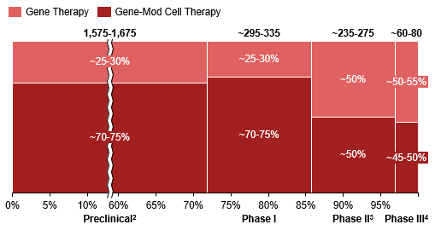 Figure 1. Ongoing CGT Trials by Phase1
Note(s): 1) Excludes non-viral trials; 2) Calculated number of programs; proxy based on success rate of pre-clinical trials and the average of phase I and phase I/II trial starts for future years; 3) Includes addressable phase I/III trial starts; 4) Includes addressable phase II/III trial starts; 4) Stable producer cell line
Despite some setbacks and clinical challenges, particularly around safety and dosing for viral-vector–based therapies, enthusiasm in the CGT field remains strong. At least $8 billion has been invested in the sector in recent years, reflecting a deep commitment to innovation and unmet medical need. Since 2019, regulatory agencies have approved between four and seven CGTs annually, with global sales projected to grow at a compound annual growth rate of 35% (Figure 2). These approvals span a range of modalities and indications, from ex vivo cell therapies for hematologic malignancies to in vivo gene therapies targeting rare genetic diseases, demonstrating the platform potential of both viral and non-viral approaches.
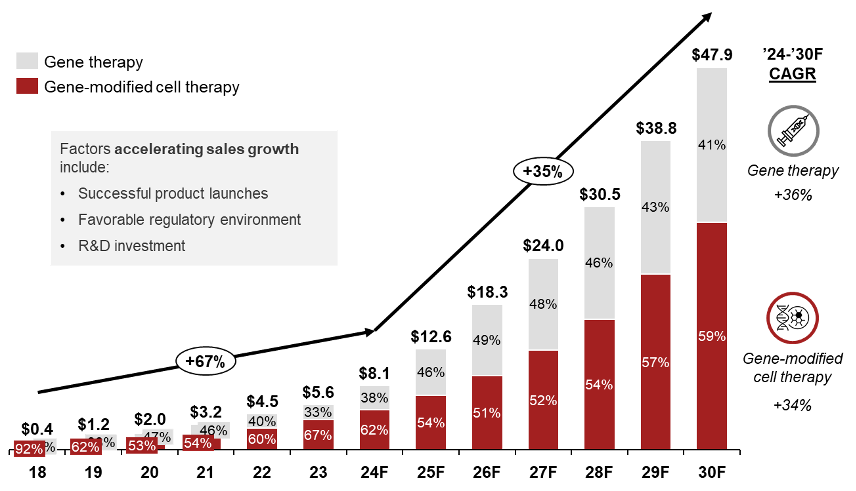 Figure 2. Global Sales of CGTs ($B)
However, this momentum is shadowed by a fundamental challenge: cost. Many approved therapies are priced between $1 million and $2 million per dose, a cost that strains health systems and limits patient access. These high costs are driven in part by complex and fragmented manufacturing processes, limited scalability, and expensive raw materials like plasmid DNA. Without addressing these upstream inefficiencies, it will be difficult to translate the scientific promise of CGTs into scalable, accessible therapies.
To unlock the full potential of the field, stakeholders must prioritize strategies that reduce cost of goods (COGs) while preserving quality and accelerating timelines. That means rethinking legacy processes, adopting new enabling technologies, and embracing more agile manufacturing models. This is particularly true in viral vector production, which remains one of the most significant cost drivers.
Complexity Creates Commercialization Challenges
The inherent complexity of viral vector–based therapies is one of the primary barriers to commercializing cost-effective CGTs. Unlike traditional biologics or small molecules, these therapies are composed of intricate components: a genetic payload — either DNA or RNA — encased within a protein capsid. In the case of lentiviral (LV) and retroviral (RV) vectors, that capsid is further enveloped in a lipid membrane. Each element must be carefully assembled, remain structurally intact, and function synergistically to ensure effective delivery and therapeutic action.
This biological complexity is compounded by the urgency to accelerate development for patients with severe or life-threatening conditions. To shorten timelines, early-stage, small-scale manufacturing processes, often developed for research use, are hastily scaled up without full optimization. The result is a patchwork of manufacturing strategies that tend to be inefficient, labor-intensive, and costly.
Standardization remains elusive. There is no universally adopted viral vector production platform, and processes vary widely not only between vector types, but even across serotypes within the same class. While multiple upstream approaches exist for AAV, LV vector production often still relies on adherent cultures in multilayer plasticware, technologies difficult to scale and ill-suited to commercial GMP operations. Downstream processes are equally fragmented, often customized from scratch for each product. Yields are typically low, particularly in the purification steps, where recoveries are poor and variability is high. This fragmented model drives up cost of goods and undermines reproducibility.
The challenges extend beyond the technical. Most CGTs are designed for rare diseases with small patient populations, limiting opportunities for economies of scale. Additionally, many viral vectors trigger immune responses, raising safety concerns that are still not fully understood and complicating dose optimization. These biological risks are further magnified by gaps in regulatory guidance, particularly around potency assays and long-term safety data, as well as opaque and inconsistent reimbursement frameworks across geographies.
Taken together, these factors create significant commercial headwinds. Overcoming them will require not only better science but also smarter manufacturing strategies designed to boost productivity, reduce variability, and lower the cost burden from the earliest stages of development.
Why Viral Vector Manufacturing Still Lags Behind
Viral vectors are not only complex in their composition; they also present significant variation based on the type of virus used, creating major hurdles in standardizing manufacturing. For example, AAV vectors are small, non-enveloped particles measuring 20–25 nanometers, whereas LV and RV vectors are significantly larger (up to 100 nm) and enveloped, making them more fragile and harder to process. Complicating matters further, AAV comes in numerous naturally occurring serotypes, with new engineered capsids regularly emerging to improve tissue specificity, or tropism, for particular therapeutic applications.
This diversity translates directly into divergent manufacturing approaches. Most viral vectors are still produced using transient transfection of HEK293 cells with multiple plasmids: typically three for AAV and four for LV vectors. This process is inherently inefficient and relies on large amounts of plasmid DNA, which is costly and difficult to source consistently. Alternatives, such as baculovirus–insect cell systems or packaging cell lines, have been introduced but are not yet widely adopted across all platforms. Even within AAV production, at least five distinct upstream processes are currently in use, none of which are truly optimal or broadly scalable.
LV vector production adds additional complexity. LV vector manufacturing is still commonly performed in adherent cell cultures using cell stacks or multilayer vessels. While this setup allows for scaling out, it presents major barriers to scaling up and commercializing processes. In contrast, AAV vectors are more often produced in suspension-based bioreactors, which are better suited to closed, automated systems, but even these processes suffer from low productivity and variable yields.
Downstream processing (DSP) presents a similar set of challenges. Purification often involves several sequential steps — affinity capture, anion-exchange polishing chromatography, ultracentrifugation, and tangential-flow filtration — each tailored to the specific vector and capsid serotype. These customized protocols rarely translate well from one product to another and frequently result in poor recovery rates, further driving up the cost of goods.
The logistical demands of viral vector therapies only add to the strain. Most products must be stored at ultra-low temperatures, typically at or below –65 °C, because they are unstable at room temperature or even standard refrigerated conditions. No robust lyophilization protocols or long-term stabilization strategies have been established to date, making cold-chain infrastructure both essential and expensive.
Given these technical and logistical burdens, every stage of the viral vector manufacturing process — from cell line development to formulation — offers an opportunity for meaningful improvement. Increasing efficiency is not just a matter of operational excellence; it is fundamental to reducing cost, accelerating timelines, and expanding access to CGT therapies.
Lowering COGs from the Ground Up
Genezen has identified three critical opportunities to dramatically reduce the cost of viral vector manufacturing, each targeting well-known inefficiencies that drive high COGs. The first is addressing the long-standing challenges associated with plasmid DNA (pDNA) as a starting material. pDNA is not only expensive, often accounting for a substantial portion of upstream costs, but also prone to variability in both quality and supply. Produced through bacterial fermentation, it carries a risk of impurities, including host-cell DNA from Escherichia coli and antibiotic-resistance genes, which raise safety concerns and can complicate downstream purification and regulatory review.
To mitigate these issues, Genezen is pursuing complementary strategies. The first is the adoption of synthetic DNA produced enzymatically, which avoids bacterial fermentation altogether. This approach eliminates the risk of bacterial contaminants, shortens production timelines, and reduces costs. Synthetic DNA can be precisely tailored to include only essential sequences, further increasing transfection efficiency and reducing the total DNA mass required.
The second strategy involves shifting from transient transfection to the use of packaging and producer cell lines. These engineered cells require pDNA only during their initial development phase, after which they can stably express the necessary viral components. Once established, producer cell lines eliminate the need for large-scale pDNA production entirely, along with the associated transfection reagents. They also offer superior consistency and productivity compared with naïve cells, which were never optimized for virus production. The benefits compound over time: although the upfront investment in developing producer lines is significant, it pays off in lower costs and fewer process variables across clinical and commercial phases.
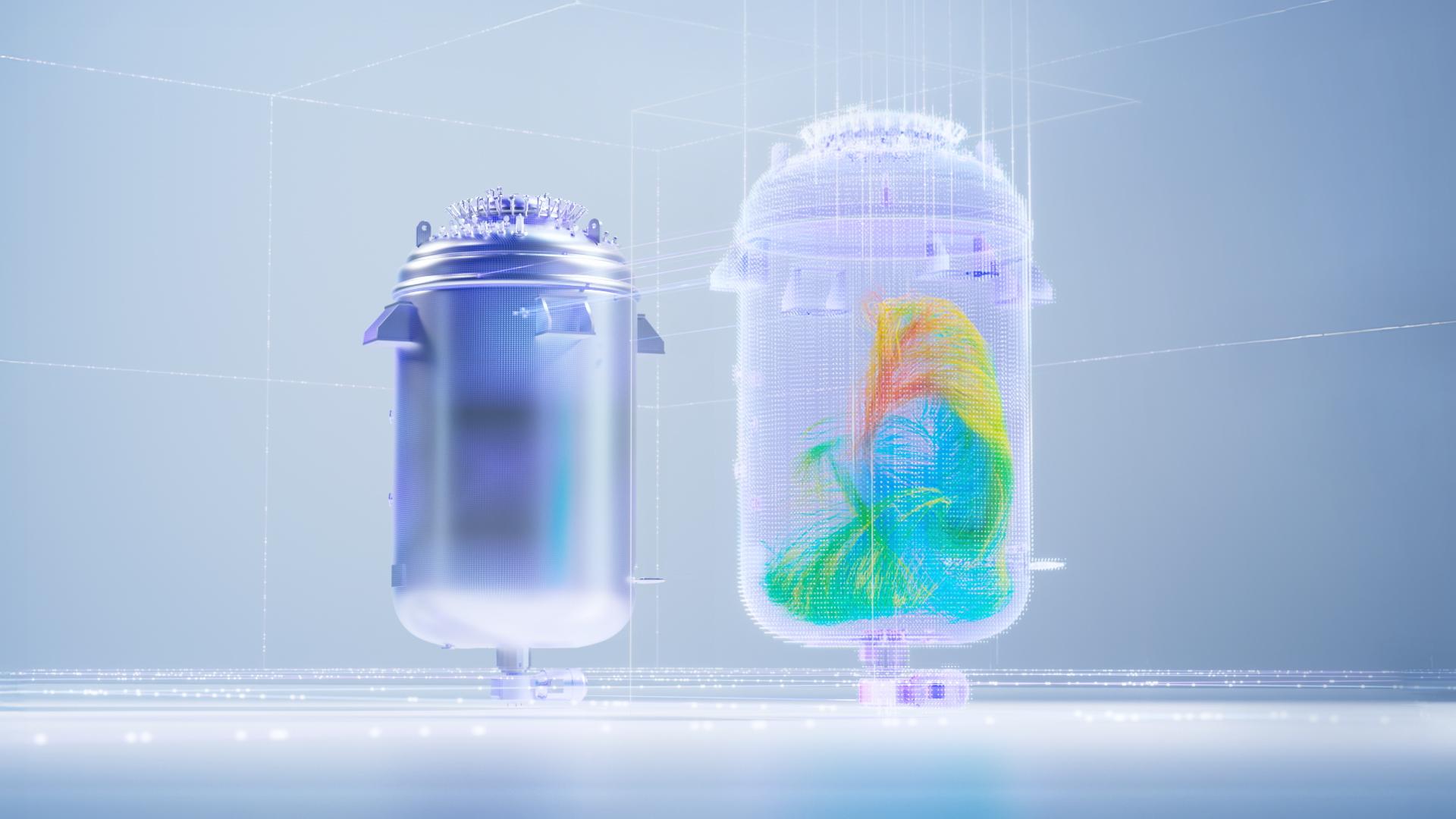
An additional area of focus is upstream processing for lentiviral vectors, which has traditionally relied on manual, labor-intensive platforms like cell stacks and multilayer plastic vessels. These methods are difficult to scale and prone to contamination risk due to open operations. Genezen has been implementing fixed-bed bioreactor systems for adherent cell culture, which offer a closed, automated alternative. These bioreactors reduce labor costs, reduce facility footprints, and enable more consistent vector yields through improved control of critical process parameters. The result is a more commercially viable platform, particularly as demand grows for LV vectors in in vivo applications where higher batch volumes are required.
Together, these strategies form the foundation of a more scalable and sustainable viral vector manufacturing model designed not only to reduce cost but also to improve robustness and accelerate delivery to patients.
Synthetic DNA as a Scalable Alternative to Plasmids
AAV vector manufacturing typically relies on transient transfection using two or three GMP-grade (or high-quality (HQ) for early-stage programs) plasmids. For a 500-liter batch, the cost of these plasmids alone can exceed $500,000, with additional concerns tied to safety, batch variability, and production timelines. These burdens are compounded by the bacterial fermentation process used to manufacture pDNA, which introduces risks such as host-cell DNA impurities, endotoxins, and the presence of antibiotic-resistance genes.
The key advantages of synthetic DNA are its precision and efficiency. Sequences are engineered to include only what is necessary for vector production, reducing total DNA mass and simplifying downstream purification. Even complex elements, such as inverted terminal repeats (ITRs), poly-A tails, or otherwise bacterial-toxic sequences, are readily accommodated. The entire manufacturing cycle from design to DNA delivery can be completed in just three days, offering a dramatic improvement in turnaround time compared with traditional pDNA workflows.
Genezen is addressing these issues through its partnership with 4basebio, a specialist in synthetic DNA production. Unlike pDNA, which requires a master cell bank and multiple optimization steps, 4basebio’s enzymatic synthesis platform enables rapid, high-fidelity production of linear synthetic DNA without a bacterial backbone. This primer-free method eliminates the risk of endotoxin contamination and antibiotic-resistance elements and produces material that is scalable from milligram to multigram quantities with virtually no batch-to-batch variability or failure risk.
Customized DNA sequences are produced to meet the specific needs of each program, and the process allows for production of even complex sequences, such as those containing ITRs and poly-A tails. Both short (138 bp) and long (up to 20 kb) sequences can be produced, including those that would be toxic to bacteria. 4basebio supplies both HQ and GMP-grade materials, and the cost benefits are substantial. Synthetic DNA reduces capital and labor inputs, minimizes waste, and simplifies purification requirements due to the absence of bacterial contaminants. These efficiencies translate directly into lower COGs for viral vector production, provided the material performs comparably to plasmids in actual manufacturing environments.
In a comparative study using suspension-based transient transfection for an AAV vector carrying green fluorescence protein (GFP) as a surrogate for transgene, synthetic DNA achieved vector genome (VG) and capsid titers on par with high-quality pDNA (Figure 3). The study evaluated three DNA input ratios, using parameters optimized from prior work for total DNA, and transfection reagent and post-transfection harvest time.
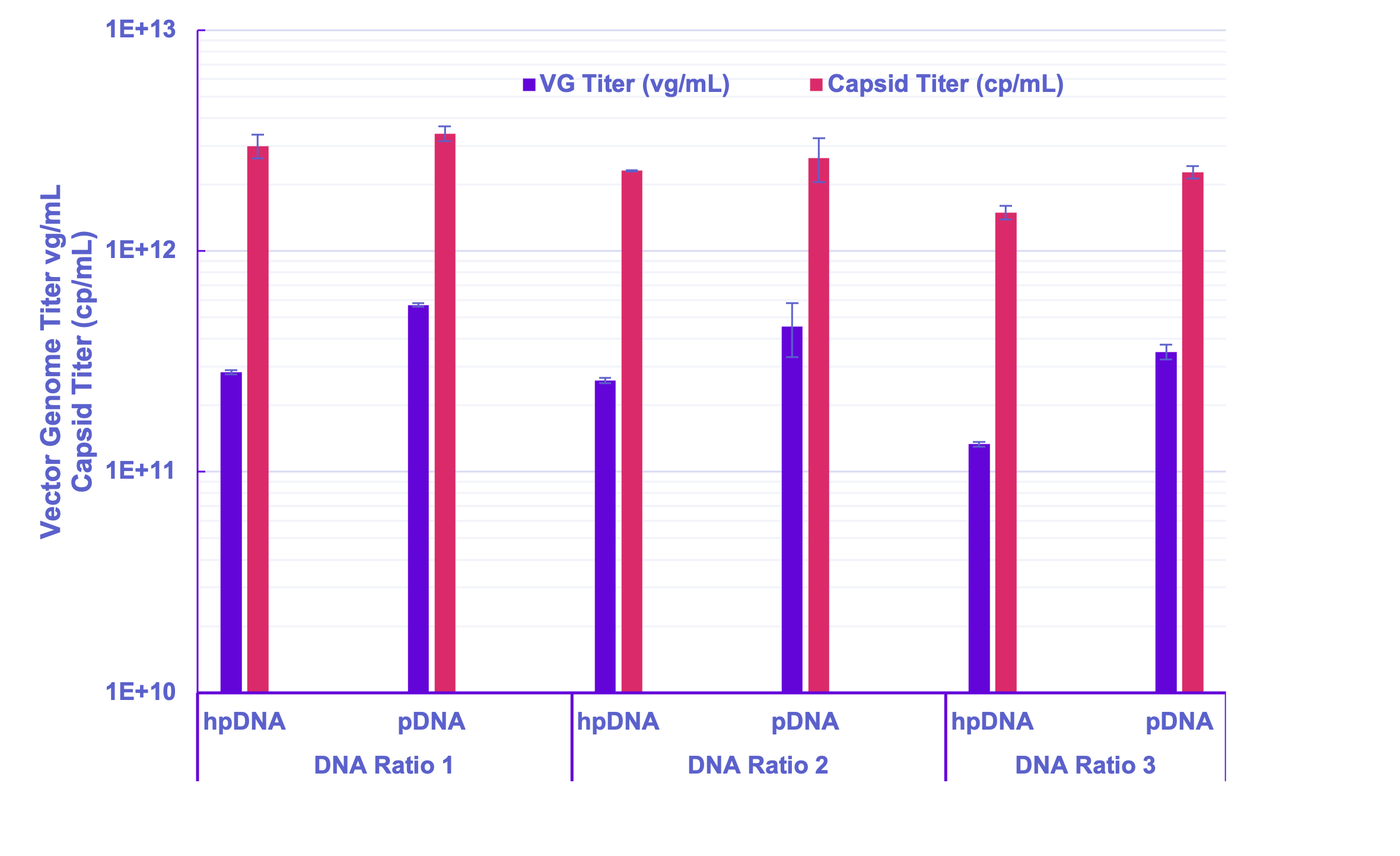 Figure 3. Comparison of transient transfection productivity for an AAV vector using synthetic DNA and high-quality pDNA
Investigations with synthetic DNA continue at Genezen and include further optimization of the baseline process and scale up to a 50-L stirred-tank reactor.
Early results confirm the feasibility of synthetic DNA as a direct replacement for plasmids in AAV manufacturing. Ongoing studies at Genezen include process optimization and scaling efforts using stirred-tank bioreactors, further validating synthetic DNA as a scalable, safer, and more cost-effective alternative for CGT manufacturing.
Building Better Cells for Scalable LVV Manufacturing
One of the fundamental reasons viral vector manufacturing remains less efficient than monoclonal antibody (mAb) production is the reliance on transient transfection or infection. mAbs are manufactured using producer cell lines that stably express the necessary components, eliminating the need for large-scale plasmid transfection. In contrast, viral vectors require temporary expression of multiple genes, often through the introduction of multiple plasmids, making the process inherently more variable, less scalable, and more expensive.
Creating stable producer cell lines for viral vector production is complex. Viruses are cytotoxic by nature, and most standard host cell lines used in biologics manufacturing are not designed to tolerate sustained viral gene expression. However, advances in packaging and producer cell line engineering are beginning to shift the landscape.
Packaging cell lines are developed by stably integrating the viral packaging and helper genes. During manufacturing, only the transgene plasmid must be transiently transfected, reducing the plasmid burden and improving efficiency. Producer cell lines take this a step further by stably integrating all required components, including the therapeutic transgene, allowing for virus production without any transfection at scale. Though product-specific and requiring longer development timelines, these cell lines offer a transformative path to higher consistency, lower COGs, and streamlined operations.
Genezen has adopted the Cytegrity™ Lentiviral Vector Production System, licensed from CSL Behring, to explore both packaging and producer cell line strategies for LV vector manufacturing. Cytegrity is a clinically validated platform designed to support both adherent and suspension cultures, with scalability and regulatory credibility already demonstrated.
For packaging cell lines, the key advantage is the ability to initiate clinical production using single-plasmid transfection, reducing not only raw material costs but also process complexity. Producer cell lines, derived from Cytegrity packaging cells and tailored for specific therapeutic transgenes, remove the need for plasmids and transfection reagents entirely. They support multiple harvests per batch, offer superior batch-to-batch consistency, and yield cleaner residual profiles. The trade-off is a development lead time of roughly six months for single-cell clone selection, but that early investment pays dividends throughout the clinical and commercial life cycle.
Genezen evaluated Cytegrity producer cell lines in perfusion-mode fixed-bed bioreactors across three polyclonal lines and one monoclonal, each expressing real therapeutic transgenes. Compared with transient transfection, raw harvest titers were significantly higher, and final infectious unit concentrations in the purified product also improved substantially. Notably, titers were achieved with fewer inputs and greater consistency, demonstrating a more mature and economical production platform.
From a cost perspective, eliminating plasmids and transfection reagents alone can reduce upstream COGs by over 50%, regardless of the bioreactor system employed.1 We were further able to realize additional savings by replacing traditional benzonase with a lower-cost endonuclease from Roche, which provided comparable performance during purification.
Figure 4 models the potential cost savings of adopting producer cell lines at different stages of development. While initial investment during early development is higher, the long-term payoff is substantial. Across Investigational New Drug (IND)-enabling, clinical, and commercial stages, cumulative savings in upstream manufacturing are significant, especially when considering GMP footprint reductions, improved productivity, and reduced raw material costs.
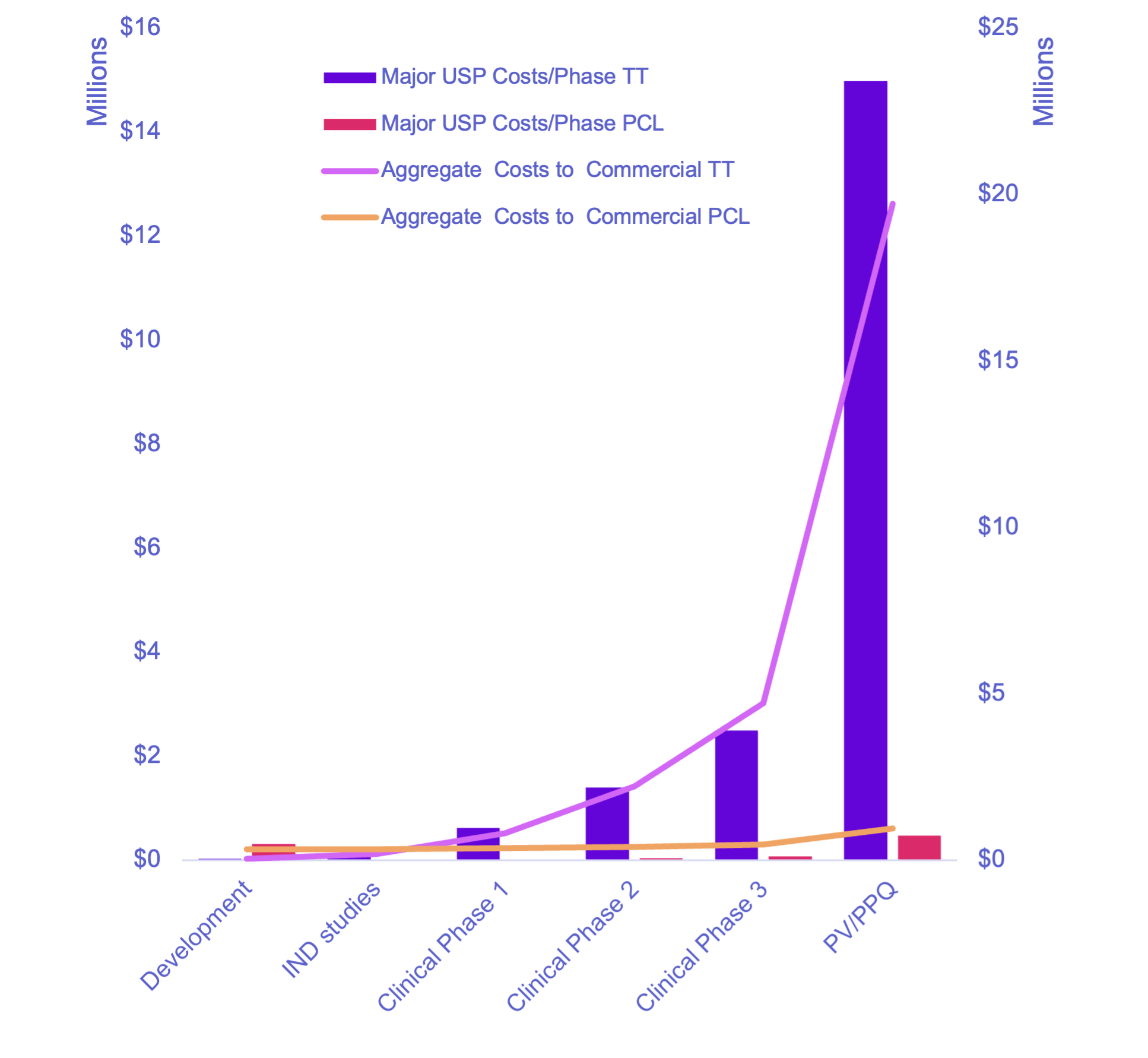 Figure 4. Cost savings resulting from early adoption of CytegrityTM producer cell lines
Note: Calculations do not consider residual profile and multiple on invested capital considerations
Scaling Smarter with Fixed-Bed Bioreactors
For many years, LV and RV vector manufacturing has operated under the assumption that early-stage processes could simply be extended to clinical or commercial scale. Because these vectors were initially developed for autologous cell therapies treating rare diseases, production volumes remained modest. As a result, adherent cell cultures grown in cell stacks or multilayer plasticware became entrenched as the norm. But these open, manual processes are labor-intensive, difficult to control, and fundamentally unsuited for high-quality GMP operations, particularly as demand increases for in vivo applications and large-scale allogeneic cell therapies.
The limitations are increasingly untenable. These plasticware-based systems lack automation, are prone to contamination risk, and present challenges for reproducibility, yield, and cost. Recognizing the need for a more scalable, GMP-compliant solution, Genezen partnered with Univercells Technologies (a Donaldson company) to evaluate fixed-bed bioreactor systems as an alternative platform for adherent LV and RV vector production.
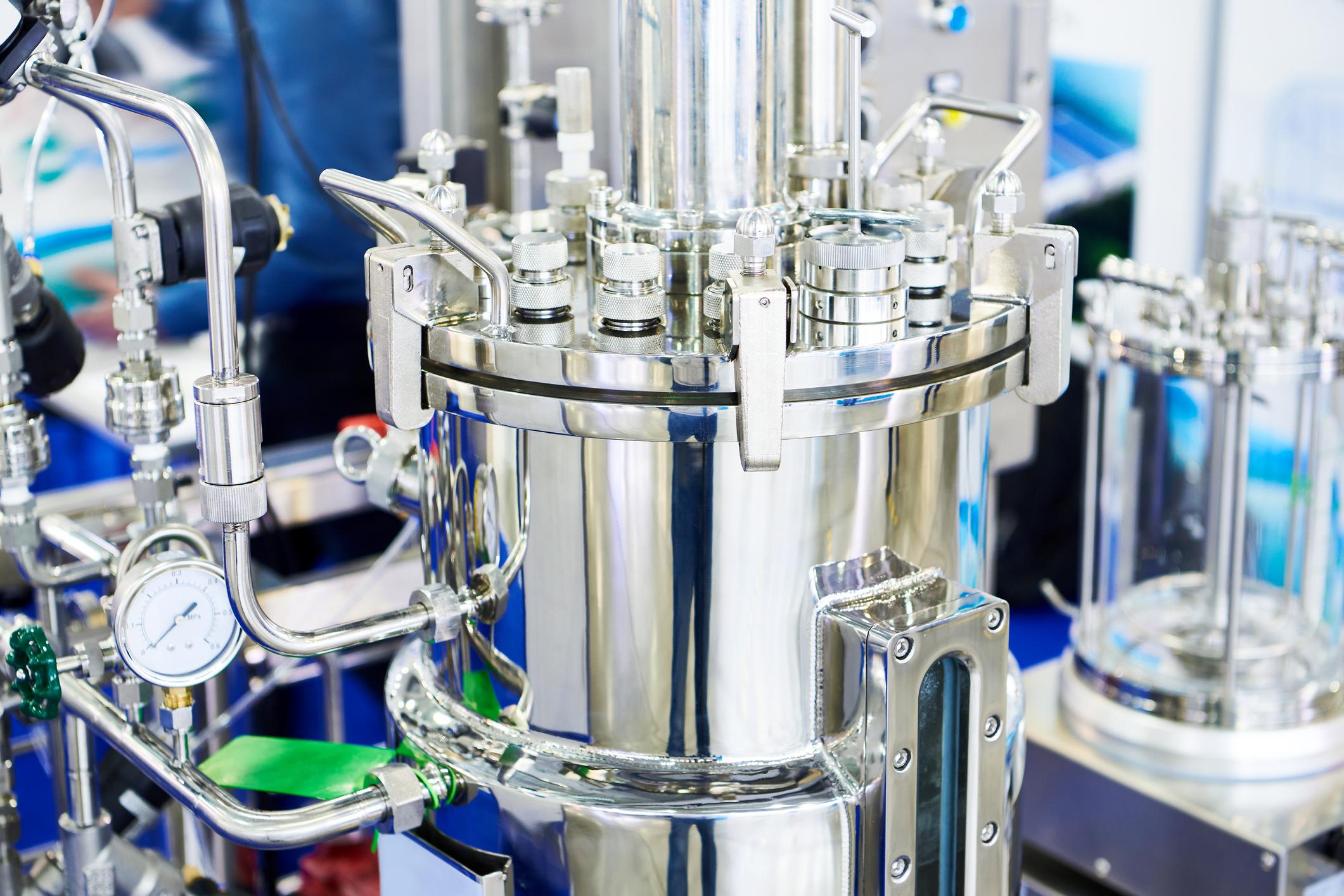
The Scale-X™ platform offers bioreactors designed for every stage of development and scale, from the benchtop-scale Nexo (75 mL) to the Hydro (8 L), Carbo (50 L), and commercial-scale Nitro (up to 1000 L per harvest). These closed, automated systems dramatically reduce manual interventions and enable real-time monitoring and control of critical process parameters, such as temperature, dissolved oxygen, pH, and gas exchange.
Crucially, Scale-X bioreactors allow manufacturing operations to be conducted in Grade C cleanrooms instead of more costly Grade A environments with a Grade B background, helping reduce facility and operational costs. Both adherent and suspension cultures are supported, and processes can be run in perfusion mode, allowing for multiple harvests from a single batch. The fixed-bed design also enhances cell immobilization, improving process consistency and yielding cleaner residual profiles, particularly for host-cell proteins and DNA. Finally, the cells are easily harvested for end-of-production (EOP) safety testing, and it is possible to incorporate 0.2-µm filtration capability to simplify operations.
Using the 30-m² Scale-X Carbo bioreactor, Genezen has demonstrated a twofold increase in the quantity of final, purified, and sterile-filtered LVV product compared with legacy adherent processes. This improved yield, combined with a more efficient, closed, and GMP-ready workflow, positions fixed-bed bioreactors as a commercially viable solution for high-volume vector manufacturing. As demand for scalable LV/RV vector production grows in indications where higher doses and broader patient populations are in play, this technology provides a clear path forward.
Genezen: Advancing Viral Vector Manufacturing for a Scalable Future
The name Genezen — derived from the Dutch word meaning “to cure” — reflects the company’s core mission: to deliver transformative viral vector–based therapies to patients worldwide. Since its founding in 2014 in Indianapolis, Indiana, Genezen has built a decade of experience in CGT development, with technical capabilities spanning multiple viral vector platforms.
The company began GMP manufacturing operations in 2022 and rapidly expanded to commercial scale in 2024 with the acquisition of uniQure’s commercial gene therapy facility in Lexington, Massachusetts. Today, as a pure-play CDMO, Genezen provides fully integrated services from preclinical through commercial, including process and analytical development, manufacturing, and regulatory support.
Genezen’s track record reflects its breadth and depth in the field: over 60 cGMP clinical batches and more than 65 commercial AAV batches produced; more than 15 cGMP cell banks and 30 cGMP viral banks established; more than 20 successful QP and client audits completed; and 10 regulatory licensures obtained across the United States, Europe, Canada, and South Korea.
What sets Genezen apart is its proactive investment in technologies that improve quality, reduce cost, and accelerate timelines across the viral vector manufacturing life cycle. The adoption of synthetic DNA, stable producer cell lines, and scalable fixed-bed bioreactors underscores Genezen’s strategy: identifying and deploying tools that not only solve technical bottlenecks but also meaningfully improve the economics of CGT development.
This commitment to innovation is foundational to Genezen’s operations. By continuously challenging the limitations of current manufacturing paradigms, Genezen helps therapy developers overcome the cost and scalability hurdles that have long constrained the field. The result is faster, more predictable progress from concept to clinic to commercialization, ultimately expanding access to advanced therapies for the patients who need them most.
Reference
1. Comisel, R-M, B Kara, FH Fiesser, and S.S Farid. “Lentiviral vector bioprocess economics for cell and gene therapy commercialization.” Biochemincal Engineering Journal. 167: 107868 (2021).