Generative AI is no longer confined to molecule design — it is evolving into the foundation of an end-to-end pharmaceutical R&D ecosystem. Multi-agent large language models, robotic laboratories, and federated data infrastructures are converging to form “virtual pharma” environments capable of reasoning, experimenting, and learning across the entire drug life cycle. These self-improving systems merge discovery, development, and manufacturing into a continuous feedback loop, accelerating innovation, enhancing reproducibility, and redefining how new medicines are conceived, validated, and delivered.
From AI Tools to Autonomous Ecosystems
Over the past two decades, artificial intelligence (AI) has transformed from a promising computational aid into a driving force reshaping how new medicines are conceived, tested, and produced. In its earliest forms, AI’s impact on pharmaceutical research was largely confined to specific, well-bounded tasks: cheminformatics for structure–activity prediction, molecular docking simulations, and quantitative structure–property relationships. These early systems were valuable accelerators, but they operated as isolated tools and were dependent on human oversight for every decision. With the arrival of deep learning, particularly convolutional and recurrent neural networks, AI began to outperform traditional computational chemistry methods across activities including image-based screening, compound classification, and property prediction. Even so, these advances remained primarily diagnostic rather than generative.
The next inflection points for AI broadly and in a pharma context came with generative models — autoencoders, variational networks, and, later, diffusion-based frameworks — that could design new molecules rather than merely evaluate existing ones. This shift redefined the relationship between human and machine creativity, enabling AI to propose structures with optimized physicochemical or pharmacokinetic profiles from first principles. Yet even these systems, powerful as they were, addressed only isolated domains of the discovery process. Each task, from target identification to lead optimization, from clinical design to manufacturing, still required separate models, data sets, and expert intervention to hand off information across boundaries.
Today, that fragmentation is beginning to dissolve. Emerging multi-agent systems built on large language models (LLMs) are integrating reasoning, simulation, and experimentation into unified architectures that span the entire drug development continuum. Rather than one algorithm handling a narrow function, collections of specialized agents communicate through structured task graphs, dynamically coordinating data interpretation, hypothesis generation, and decision-making. These frameworks can reason across modalities — chemical, biological, clinical, and regulatory — effectively creating an adaptive knowledge layer over the traditional R&D pipeline. In parallel, cloud-connected biofoundries and automated laboratories close the loop between in silico and in vitro environments, allowing AI agents to design, test, and iteratively refine hypotheses with minimal human mediation.
This convergence has given rise to what can be described as virtual pharma: an orchestrated ecosystem of digital scientists and automated instruments capable of performing every function traditionally distributed across research, development, and production organizations. Within such systems, generative design models collaborate with experimental robots, clinical simulation engines, and regulatory reasoning agents, forming a continuously learning environment. These ecosystems extend far beyond drug discovery and form a new end-to-end model of pharmaceutical R&D, where data flows seamlessly from molecular conception to process design and even manufacturing optimization.
The implications are profound. The application of generative AI in pharma is shifting from narrow proofs of concept to foundational infrastructure that supports the entire value chain. Rather than serving as an accelerator for isolated steps, AI is becoming the cohesive architecture upon which modern biopharma organizations are built. In this paradigm, algorithms do not simply assist scientists; they emulate the workflows of an entire research enterprise, integrating experimental feedback and corporate knowledge into a continuously evolving intelligence.
The Building Blocks of End-to-End AI in Drug Discovery
The foundation of a virtual pharma ecosystem lies in the convergence of multiple AI technologies into a coherent, interoperable framework capable of spanning every stage of drug development. Each layer of this framework — architectural, generative, experimental, and informational — contributes to transforming what have always been discrete, sequential steps into a unified, continuously learning system. Together, these layers form the scaffolding for end-to-end AI integration: the ability not only to discover molecules but to reason across biology, chemistry, clinical design, and manufacturing.
At the core are multi-agent large language model (LLM) architectures designed to emulate collaborative scientific reasoning. Rather than a single monolithic model, these systems consist of specialized agents, such as modules for molecular design, clinical translation, and regulatory documentation, that communicate through structured task graphs. Each agent interprets outputs from others, contextualizes them within domain knowledge, and generates new hypotheses or tasks accordingly.1,2 This modular design allows the ecosystem to mirror the structure of an actual pharmaceutical organization, where discrete teams or departments contribute specialized expertise but share a unified data environment. Agentic LLMs thus act as intermediaries between information silos, orchestrating workflows that span from parsing genomic data to optimizing candidates and designing trials. Their capacity for iterative reasoning and self-correction enables continuous refinement of results as new experimental evidence enters the system.
Supporting this orchestration are generative foundation models, which form the creative engine of modern AI-driven drug discovery. Early machine learning models relied on predefined feature extraction and linear relationships. By contrast, diffusion models, graph neural networks (GNNs), and hybrid transformer architectures can infer latent chemical and biological structures directly from vast multimodal datasets. These models can design and score millions of novel compounds, optimize their pharmacokinetic and pharmacodynamic properties, and predict potential off-target effects before synthesis.3–5 When linked to LLM-based reasoning layers, these generative engines move beyond molecule generation toward full drug concept creation, proposing not just candidates but plausible mechanisms of action and formulation pathways.
A defining attribute of the new AI ecosystem is the integration between simulation and experiment, creating a closed feedback loop between digital design and physical validation. Automated laboratories and robotic platforms execute synthesis and screening protocols derived from AI-generated hypotheses, returning structured data directly into the training environment. The system then reinterprets these results, updating model parameters and refining its predictive accuracy.6,7 This continuous exchange eliminates the latency that historically separated computational prediction from empirical verification. As a result, the line between in silico and in vitro has begun to blur. Each experiment serves both as a validation of prior reasoning and as a source of data for subsequent learning cycles.
Underlying these computational and robotic layers is the knowledge and data infrastructure that sustains them. Effective end-to-end AI requires unified access to diverse data sets: chemical libraries, omics profiles, clinical outcomes, manufacturing parameters, and real-world evidence. Advanced multimodal data fabrics now make it possible to integrate these heterogeneous sources while preserving privacy and regulatory compliance.8 Through standardized ontologies (structured vocabularies shared among humans and AI agents) and federated (distributed) learning, models can be trained across distributed data environments without direct data transfer, mitigating security risks and ensuring reproducibility. This infrastructure also embeds traceability and provenance, enabling every decision made by an AI agent to be linked back to its originating data, a prerequisite for regulatory acceptance and scientific transparency.
Together, these components constitute a layered AI ecosystem that mirrors the logical structure of pharmaceutical R&D: from data to decision. At the base are unified data resources that feed generative and predictive models; above them, agentic LLMs coordinate reasoning and workflow; at the top, robotic and analytical systems validate outputs and feed them back into the loop. This closed, self-improving architecture represents a decisive step toward realizing the full potential of virtual pharma, where digital intelligence, automation, and experimentation operate as an integrated organism rather than a chain of disconnected tools.
From Molecules to Medicines: The ‘Virtual Pharma’ Workflow
An end-to-end AI ecosystem transforms drug development from a sequence of linear, human-mediated activities into a continuous, interconnected cycle of reasoning, experimentation, and feedback. Within a virtual pharma environment, every stage of the traditional pipeline — target discovery, molecule generation, preclinical testing, clinical trial design, and manufacturing — becomes an element of a coordinated digital workflow. Each agent within this ecosystem contributes specialized expertise, but their collaboration allows the entire system to function as a self-organizing R&D organism.
The process begins with target identification, where AI models map complex disease networks to uncover novel intervention points. Instead of focusing narrowly on single proteins or pathways, generative and reasoning agents analyze multi-omic data sets (genomic, transcriptomic, proteomic, and metabolomic information) alongside literature, clinical data, and known drug–target relationships. These systems use graph-based reasoning and embedding models to infer hidden relationships among genes, molecular mechanisms, and phenotypic outcomes.9 By simulating biological systems at multiple scales, the models can prioritize targets with the highest likelihood of clinical relevance, even in poorly characterized diseases. The result is not just faster identification but a more holistic understanding of disease biology, one that can adapt dynamically as new data emerges.
Once potential targets are identified, molecule generation and optimization commence through iterative collaboration among generative models and reasoning agents. Diffusion and transformer-based molecular design engines propose new compounds with optimized structural, energetic, and pharmacological properties, while reinforcement learning modules score and refine them according to target affinity and drug-likeness constraints.4,5 Crucially, these models are not operating in isolation; they receive contextual guidance from domain-specific LLMs trained on medicinal chemistry, pharmacology, and regulatory documentation. This coordination allows the system to consider manufacturability, safety, and formulation compatibility even at the earliest design stage. The virtual pharma ecosystem thereby transforms molecular design from a narrow optimization task into a multidimensional reasoning process, incorporating considerations traditionally deferred until late development.
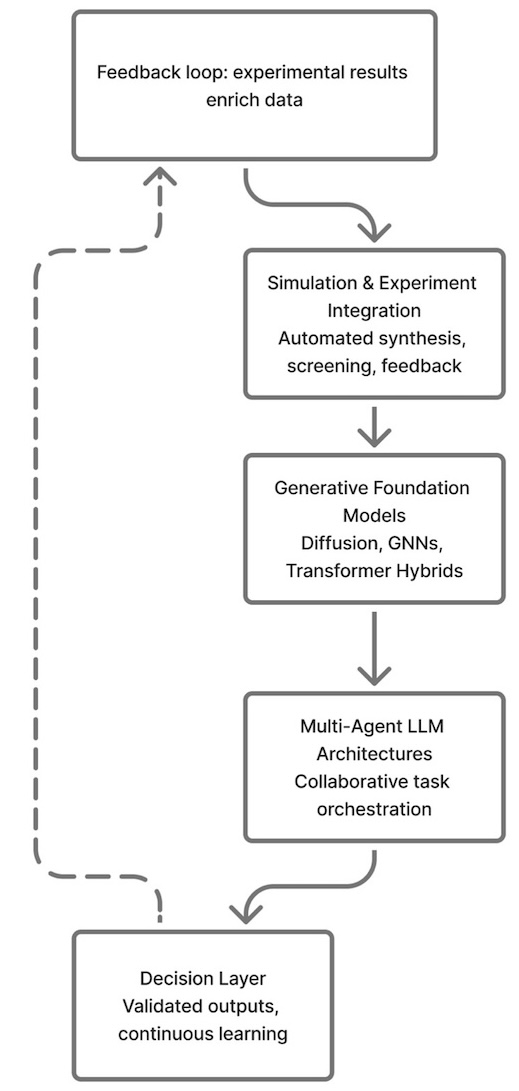 Figure 1: Architecture of an end-to-end AI ecosystem (from data to decision)
The next phase, preclinical simulation, replaces a large portion of traditional laboratory and animal testing with sophisticated digital analogs. AI-driven “digital twins” of cell lines, organoids, and animal models simulate biological responses to candidate compounds under different conditions, predicting toxicity, metabolism, and efficacy before a single experiment is performed.7,10 These simulations integrate high-fidelity biophysical modeling with generative feedback loops: when discrepancies between predicted and experimental results appear, the system automatically recalibrates its models. This closed learning cycle allows the ecosystem to continuously improve its predictive power, reducing reliance on resource-intensive in vivo studies and accelerating the transition to first-in-human trials.
At the clinical trial design stage, LLM-based systems generate synthetic patient cohorts that reflect realistic population heterogeneity. They simulate trial outcomes using virtual control arms and adaptive protocols, helping researchers explore alternative dosing, inclusion criteria, and endpoints long before patient enrollment begins.11 AI agents can also predict recruitment bottlenecks by analyzing demographic, social, and behavioral data to identify sites with the highest enrollment potential.12 As trials progress, continuous data feeds from electronic health records and wearable devices update model parameters in real time, enabling dynamic adaptation of study protocols. This capability represents a fundamental shift from static, one-directional trial management toward responsive, data-driven optimization guided by generative reasoning.
The virtual pharma workflow extends all the way to manufacturing and formulation, domains that have traditionally remained disconnected from early-stage design. Generative process modeling now allows AI systems to predict the optimal synthesis pathways, reaction conditions, and scale-up parameters for new molecules.6 Robotic process automation carries these designs into execution, running micro-scale experiments to validate yield, purity, and stability. Parallel generative frameworks design formulations and delivery systems tailored to molecular properties, therapeutic targets, and patient profiles.13 These systems enable true design-for-manufacture integration, ensuring that every molecule conceived in silico can be efficiently realized in the physical world without extensive reengineering.
Together, these layers form a seamless continuum from target discovery to commercial production linked by the shared reasoning capabilities of multi-agent LLM systems. What distinguishes virtual pharma is not the presence of individual AI tools but their orchestration into a cohesive intelligence that continuously refines its understanding of biology, chemistry, and patient response. Each step both informs and benefits from the others: a discovery model may suggest a compound modification that a manufacturing agent immediately validates for scalability, while clinical feedback re-enters the discovery cycle to guide next-generation designs.
This vision of multi-agent collaboration, in which autonomous digital scientists and robotic laboratories exchange hypotheses and data across the entire pipeline, defines the new operational paradigm for drug development.
Case Studies and Industry Experiments
While the idea of a fully autonomous “virtual pharma” may sound futuristic, several leading organizations are already demonstrating its core principles through targeted deployments of generative AI, multi-agent LLMs, and federated data ecosystems. These early experiments reveal how different components of the model — reasoning agents, data infrastructure, and robotic automation — can work together to accelerate R&D while preserving the scientific rigor and regulatory accountability of traditional workflows.
One of the most visible examples comes from Merck, which has begun incorporating LLMs into its internal research and development infrastructure to streamline knowledge extraction and decision-making. These systems are designed to read, interpret, and synthesize vast volumes of scientific publications, patents, and experimental reports, constructing dynamic knowledge graphs that connect hypotheses, data, and outcomes.14 The result is a living repository of institutional knowledge that allows researchers to identify relationships between molecular structures, biological targets, and clinical endpoints in ways that would be impossible through manual review alone. By coupling these capabilities with predictive analytics and generative reasoning modules, Merck is establishing a framework where insights can flow seamlessly from preclinical discovery to translational and clinical development. This initiative demonstrates how even large, established pharmaceutical companies can begin adopting elements of a virtual pharma model without disrupting existing pipelines.
Meanwhile, Lifebit has pioneered the data backbone necessary for collaborative AI-driven research at scale. Its federated platform enables organizations to train models on distributed datasets without moving or exposing the underlying information, maintaining patient privacy and data sovereignty across jurisdictions.15 Through this architecture, hospitals, biobanks, and pharmaceutical partners can contribute to shared AI models while ensuring compliance with the General Data Protection Regulation (GDPR) and other data protection frameworks. Lifebit’s infrastructure thus solves one of the greatest bottlenecks in AI-driven drug discovery: the ability to access and leverage diverse, high-quality data without compromising security. Within a virtual pharma ecosystem, such federated learning platforms serve as the connective tissue that links agents and institutions into a cohesive global R&D network.
A new generation of biotechnology companies has gone further, operationalizing the full-stack AI model from the outset. Insilico Medicine, Recursion, and BenevolentAI are early exemplars of virtual-pharma principles.16,17 Their business models integrate generative chemistry, automated experimentation, and in silico biology within unified cloud environments. These companies use deep generative models to design molecules, digital twins to predict efficacy and safety, and robotic labs to execute synthesis and screening autonomously. The feedback loops connecting these components shorten the cycle between idea and validation from months to days. By coupling domain-specific LLMs with reinforcement learning agents, these organizations are demonstrating not just automation but reasoning — the ability to infer, hypothesize, and adapt across stages of the pipeline.
Alongside these commercial initiatives, a number of public–private consortia are forming to explore shared frameworks for AI-driven drug development. Multinational collaborations between technology providers, academic institutions, and pharmaceutical manufacturers are testing how distributed AI infrastructure can accelerate target validation, molecule generation, and trial simulation.13,18 These alliances often focus on creating standards for data interoperability, model validation, and ethical governance, foundations critical to scaling virtual pharma beyond individual organizations. Their efforts suggest that the industry’s transition toward end-to-end AI ecosystems will be a collective evolution rather than a competitive race, built on shared platforms and open innovation.
Collectively, these examples mark the beginning of a structural transformation in pharmaceutical R&D. While each company or consortium emphasizes different elements — Merck’s focus on knowledge orchestration, Lifebit’s federated infrastructure, or the AI-native workflows of Insilico and Recursion — they all point toward the same destination: a cohesive, adaptive research ecosystem where digital agents collaborate with human scientists to generate, test, and refine ideas in real time. These early implementations represent the foundation upon which the next phase of virtual pharma will be built, one in which the boundaries between computation, experimentation, and innovation all but disappear.
Overcoming the Barriers
For all its promise, the realization of an end-to-end AI ecosystem in drug development depends on overcoming a series of intertwined technical, cultural, and regulatory challenges. The transition from AI-assisted to AI-orchestrated R&D introduces new questions about data governance, model validation, and scientific accountability, as well as practical issues related to computational infrastructure and regulatory harmonization. Without addressing these obstacles, even the most advanced virtual-pharma frameworks risk remaining confined to pilot programs rather than transforming industry practice at scale.
The most fundamental challenge lies in data governance and provenance. Generative and agentic AI models depend on access to vast, diverse data sets spanning chemical structures, biological assays, patient records, and manufacturing parameters. However, the fragmentation and opacity of much of this information threaten the reproducibility and traceability of model outputs. To ensure scientific and regulatory confidence, data must be fully compliant with FAIR principles — findable, accessible, interoperable, and reusable — while maintaining clear lineage from raw inputs to derived predictions.8 Provenance tracking systems and audit trails are emerging as essential components of AI infrastructure, allowing every output to be linked back to its source data and transformation steps. McKinsey notes that establishing this degree of transparency is both a technical and organizational priority, requiring coordinated investment in metadata standards, version control, and quality assurance frameworks.11 Without such rigor, model outcomes risk being treated as black-box artifacts, undermining the credibility of AI-based discovery.
A similar problem surrounds model validation. Regulatory authorities have long required empirical verification of experimental data, but AI-generated hypotheses occupy a more ambiguous space. Unlike conventional assays, their reasoning paths may not be easily interpretable, even by experts familiar with the domain. The challenge is not only to prove that models work, but to explain how they work in ways that align with regulatory expectations for reproducibility, safety, and accountability.10 Several initiatives now focus on developing standardized benchmarks for model interpretability, uncertainty quantification, and domain-specific performance metrics. The goal is to ensure that generative systems can be audited and verified with the same level of confidence as laboratory instruments. Achieving this will require close collaboration between computational scientists and regulators to define acceptable validation protocols for AI-derived evidence.
A third area of concern involves human-in-the-loop oversight, which remains indispensable even as AI systems grow more autonomous. The shift toward automation can obscure the scientist’s role in critical decision points, especially when models are capable of generating both hypotheses and experimental designs. Maintaining clear human accountability is essential for scientific integrity and ethical compliance. Hybrid workflows are emerging in which AI performs exhaustive exploration of chemical or biological space, while human experts review, contextualize, and interpret the system’s recommendations.19 This collaboration model preserves creativity and judgment while mitigating automation bias, ensuring that humans remain the arbiters of evidence quality and scientific direction.13 Far from replacing researchers, the virtual pharma paradigm redefines their role as curators, evaluators, and co-designers of intelligent systems.
Despite conceptual progress, many organizations still face infrastructure gaps that limit full-scale deployment. The computational resources required to train and operate multi-agent models are immense, often exceeding the budgets and capabilities of most R&D departments. High-performance computing clusters, scalable cloud environments, and secure data-exchange protocols are prerequisites for virtual pharma operation, but few companies possess them in integrated form. Data silos persist across internal departments and partner institutions, while legacy systems lack compatibility with modern AI workflows.7 Addressing these deficiencies requires not only technology upgrades but also cultural shifts toward open standards and shared data stewardship.
Finally, true transformation depends on analogous evolution on the part of regulatory authorities. The U.S. Food and Drug Administration and the European Medicines Agency are beginning to explore frameworks for the evaluation and approval of AI-assisted drug development, but guidance remains nascent. These regulators must adapt existing evidentiary standards to accommodate predictive, self-updating models while ensuring that safety and efficacy assessments remain grounded in verifiable data.17 This process will likely mirror the evolution of quality-by-design principles: gradual acceptance of digital methods as they demonstrate reliability and transparency over time.11 In the interim, developers must align proactively with regulators, sharing data, methodologies, and interpretability tools to build trust in AI-driven outputs.
In aggregate, these challenges underscore that building virtual pharma is as much an exercise in governance and collaboration as it is in technology. The industry’s ability to deliver on the promise of generative, multi-agent AI will hinge on its willingness to standardize data, validate algorithms, retain human accountability, and partner with regulators in shaping adaptive oversight. Only through this balanced approach can AI evolve from a laboratory curiosity into the foundation of a new, transparent, and trustworthy model for pharmaceutical innovation.
Redefining Roles and Workflows
As virtual pharma models gain traction, the traditional distinctions between discovery scientist, data analyst, and process engineer are dissolving. In their place is emerging a new class of hybrid professionals and organizational designs optimized for collaboration between human expertise and autonomous digital systems.
One of the most visible trends is the emergence of AI-first biotechnology start-ups built around computational rather than experimental cores. These companies operate with minimal wet-lab infrastructure, instead outsourcing synthesis, screening, and validation to automated partner facilities or contract research organizations. Their core intellectual property resides in proprietary generative models, curated data sets, and agentic orchestration frameworks that guide end-to-end design loops. With vastly lower fixed costs and faster iteration cycles, they demonstrate how innovation in the life sciences is shifting from physical capacity to informational intelligence. This model allows small, algorithm-centric teams to compete with legacy R&D organizations, discovering viable drug candidates in weeks rather than years and at a fraction of the cost.
At the same time, traditional pharmaceutical companies are beginning to internalize similar principles at scale. Rather than rebuilding from scratch, many are developing digital twins of their R&D organizations — comprehensive, AI-driven mirrors of their existing discovery and development ecosystems.14,18 These digital twins simulate workflows, data flows, and decision logic across the organization, allowing management to model experimental outcomes, resource allocation, and even regulatory strategies before execution. Within these systems, LLM-based collaborators serve as cognitive partners, synthesizing institutional memory, interpreting multimodal data, and generating context-specific insights. Instead of acting as tools to be directed, these AI systems function as colleagues capable of suggesting hypotheses, identifying experimental redundancies, and anticipating process failures.
The shift toward intelligent collaboration is also catalyzing the rise of new talent models. In place of siloed departmental hierarchies, AI-enabled R&D depends on interdisciplinary teams fluent in both computation and biology. The modern innovation workforce now includes computational biologists who design data-rich simulations of biological systems, prompt engineers who translate scientific objectives into machine-readable instructions, and data custodians who maintain integrity and security across federated networks. As generative systems become the default interface for discovery, fluency in algorithmic reasoning, model interpretation, and human–AI dialogue is becoming as critical as expertise in molecular pharmacology or analytical chemistry.
These shifts raise significant ethical and workforce transition considerations. While automation and LLM-driven orchestration will streamline routine tasks, human oversight remains indispensable for maintaining scientific integrity, ethical accountability, and creativity. The researcher’s role is evolving from executor to designer, focused less on performing experiments and more on building, training, and overseeing the agent networks that perform them. This reframing introduces new ethical questions: How is accountability distributed among human and digital actors? Who interprets conflicting model outputs? What safeguards ensure that data-driven optimization does not override contextual judgment or patient welfare? Addressing these questions will require proactive workforce training, transparent governance frameworks, and institutional cultures that view AI not as a replacement but as an amplifier of human capacity.
These evolving workflows are giving rise to collaborative ecosystems where conversational interfaces replace rigid hierarchies and data-rich dialogue replaces static reporting.20 Simultaneously, scientists are becoming system architects, responsible for the continual tuning and ethical direction of increasingly autonomous research environments.9 In this new paradigm, success depends not on how efficiently humans can perform discrete tasks, but on how intelligently they can guide, interpret, and co-evolve with the digital counterparts that now inhabit the research enterprise. The organizations that adapt first, whether through lean AI-native start-ups or reimagined R&D giants, will define the next era of pharmaceutical innovation, one where human insight and machine intelligence advance in lockstep.
The Future: Toward a Continuous Learning Drug Factory
The logical culmination of the virtual pharma paradigm is a continuously learning drug factory — a self-updating, closed-loop ecosystem that unites discovery, development, and manufacturing into one adaptive intelligence. In this envisioned future, every experiment, simulation, and production run becomes an input that refines the global knowledge base, enabling models not just to design new drugs, but to improve the very process by which innovation occurs. Drug development ceases to be a series of finite projects and instead becomes a regenerative system, perpetually learning from itself.
This concept of regenerative R&D rests on feedback mechanisms that allow data from one stage of the pipeline to enhance performance across all others. Each molecular design, preclinical assay, and clinical outcome enriches the foundation models that underpin subsequent discovery cycles. As agents reason across results, they adjust weighting functions, refine predictive accuracy, and improve both design and decision heuristics. In practice, this means that the more a system is used, the smarter it becomes; its generative capacity grows not through static retraining but through continuous ingestion of verified results and experimental metadata. Over time, such a network develops a memory of what works and what fails, enabling anticipatory design rather than reactive iteration. The R&D process becomes an evolving organism, where institutional experience is embedded directly into computational intelligence rather than dispersed across documents and personnel.
The emergence of interconnected biopharma metaverses could extend this continuous learning beyond individual organizations. These digital ecosystems comprising interoperable, cloud-based research environments allow agents from different companies, institutions, and geographies to exchange insights while maintaining data security and sovereignty.1,2 Within such metaverses, in silico experiments and real-world data coexist dynamically: simulation outputs are tested in robotic laboratories, their results fed back into the digital realm for refinement. Shared ontologies and standardized model interfaces ensure that improvements made by one participant propagate throughout the network, compounding collective learning across the industry. The long-term vision is of a global, federated intelligence that functions as an open R&D substrate for all therapeutic innovation and where discoveries are no longer siloed but distributed across a continuously updating scientific commons.
Realizing this future will require deeper integration with robotics, lab automation, and cloud manufacturing. High-throughput synthesis platforms and AI-controlled bioreactors are already demonstrating how algorithms can design and execute experiments without direct human intervention.6 As these systems become fully networked, the boundary between R&D and production begins to blur. Manufacturing parameters — reaction kinetics, material inputs, and process controls — feed back into upstream design models, allowing new molecules to be generated with built-in manufacturability. Similarly, cloud-based automation will enable distributed production, where synthesis recipes are transmitted digitally and executed locally by standardized robotic systems.7 The outcome is a globally scalable, modular manufacturing network capable of adapting instantly to demand surges or supply chain disruptions. The “factory” in this context is not a single site but an intelligent network of computational and physical nodes collaborating through continuous feedback.
The societal implications of such a transformation are profound. Democratizing drug creation could become an attainable goal rather than an aspirational slogan. By lowering the fixed costs and time requirements for discovery and validation, AI-driven ecosystems can expand participation in pharmaceutical innovation to smaller companies, academic groups, and even public health agencies.13 A continuously learning infrastructure would also accelerate responsiveness to emerging diseases: once a new pathogen or biomarker is identified, pre-trained generative models could propose viable therapeutic candidates within days, supported by automated synthesis and preclinical simulation pipelines.16 For neglected or rare conditions where traditional commercial incentives are weak, the marginal cost of developing new therapies would drop dramatically, enabling interventions that were previously uneconomical.
However, realizing this vision also requires caution. Fully autonomous systems must be guided by transparent governance and international cooperation to prevent data monopolies and ensure equitable access.5 The goal is not to create an exclusive technological elite but to establish a distributed innovation ecosystem that serves global health. Ethical design principles, secure data-sharing frameworks, and adaptive regulatory oversight will all be essential in ensuring that the benefits of AI-driven pharma extend beyond its early adopters.
Conclusion
The transformation now underway in pharmaceutical R&D marks a decisive break from the incremental automation of past decades. Generative AI has evolved far beyond its origins in molecule design to become a full-pipeline collaborator — an intelligent partner capable of reasoning, experimenting, and learning across the entire life cycle of a drug. Through the convergence of multi-agent LLM architectures, federated data systems, and robotic experimentation, a new paradigm has emerged: the virtual pharma ecosystem. This model reframes drug development as a continuous, interconnected process, where insight, data, and action circulate seamlessly between human and digital participants.
By unifying discovery, development, and manufacturing within a single adaptive framework, virtual pharma ecosystems promise to accelerate innovation and elevate scientific reproducibility to unprecedented levels. Each experiment enriches the models that drive the next, creating a feedback loop of perpetual improvement. In this environment, AI does not replace the scientist but amplifies their capacity to explore and validate complex biological and chemical spaces with speed and precision. The result is an R&D process that is faster, leaner, and more predictive, integrating design and decision-making into an ongoing dialogue between computation and experimentation.
Equally transformative is the potential for these systems to redefine regulatory science itself. As agencies confront the challenge of evaluating AI-generated evidence, new standards for transparency, interpretability, and validation are beginning to emerge. This co-evolution between technology and oversight will be essential to ensure that generative AI can fulfill its promise responsibly, maintaining the rigor and accountability on which the industry depends.
The path forward requires sustained collaboration. To realize the full potential of virtual pharma, the global life sciences community must invest in interoperable data infrastructure, open standards, and ethical governance frameworks. Organizations must also commit to cross-sector partnerships—connecting technology developers, biopharma leaders, and regulators in a shared effort to build trustworthy, scalable AI ecosystems. If these foundations are laid, the result will not merely be faster drug discovery, but a fundamentally new model of scientific innovation in which learning is continuous, collaboration is universal, and the boundary between imagination and realization grows vanishingly thin.
References
1. Gao, Bowen, et al. “PharmAgents: Building a Virtual Pharma with Large Language Model Agents.” arXiv. 2503:22164 (2025).
2. Pan, Qihua, et al. “FROGENT: An End-to-End Full-process Drug Design Agent." arXiv. 2508: 10760v1 (2025).
3. Alvaro, David. “Foundational Models in Biological Design.” Pharma’s Almanac. 20 Oct. 2025.
4. Ferreira, Fabio JN and Agnaldo S Carneiro. “AI-Driven Drug Discovery: A Comprehensive Review.” ACS Omega. 6 Jun. 2025. 9
5. Tang, Xiangru, et al. “A survey of generative AI for de novo drug design: new frontiers in molecule and protein generation.” Briefings in Bioinformatics. 25: bbae338 (2024).
6. Pratap, Aayushi. “How AI is taking over every step of drug discovery.” Chemical & Engineering News. 13 Oct. 2025.
7. Fu, Chen and Qiuchen Chen. “The future of pharmaceuticals: Artificial intelligence in drug discovery and development.” Journal of Pharmaceutical Analysis. 15: 101248 (2025).
8. Kokudeva, Maria, et al. “Artificial intelligence as a tool in drug discovery and development.” World J. Exp. Med. 14: 96042 (2024).
9. Jarallah, Samayah J, et al. “Artificial intelligence revolution in drug discovery: A paradigm shift in pharmaceutical innovation.” International Journal of Pharmaceutics. 680: 125789 (2025).
10. Chakraborty, Chiranjib, et al. “AI-enabled language models (LMs) to large language models (LLMs) and multimodal large language models (MLLMs) in drug discovery and development.” Journal of Advanced Research. 12 Feb. 2025.
11. “Generative Ai in the pharmaceutical industry: Moving from hype to reality.” McKinsey & Company. 9 Jan. 2024.
12. Jena, Goutam Kumar, et al. “Artificial Intelligence and Machine Learning Implemented Drug Delivery Systems: A Paradigm Shift in the Pharmaceutical Industry.” Journal of Bio-X Research. 23 Oct. 2024.
13. Dermawan, Doni and Nasser Alotaiq. “From Lab to Clinic: How Artificial Intelligence (AI) Is Reshaping Drug Discovery Timelines and Industry Outcomes.” Pharmaceuticals. 18: 981 (2025).
14. “Our researchers incorporate LLMs to accelerate drug discovery and development.” Merck & Co. 3 Feb. 2025.
15. “Navigating the Full Spectrum of End-to-End Drug Discovery.” LifeBit. 17 Sep. 2025.
16. Bai, Fand, Shiliang Li, and Honglin Li. “AI enhances drug discovery and development.” National Science Review. 11: nwad303 (2024).
17. Abou Hajal, Abdallah and Ahmad Z Al Meslamani. “Insights into artificial intelligence utilisation in drug discovery.” Journal of Medical Economics. 27: 304–308 (2024).
18. “How large language models are transforming pharmaceutical frontiers.” Fortune. Accessed 10 Nov. 2025.
19. Pal, Soumen, et al. “ChatGPT or LLM in next-generation drug discovery and development: pharmaceutical and biotechnology companies can make use of the artificial intelligence-based device for a faster way of drug discovery and development." Int. J. Surg. 13: 4382–4384 (2023).
20. Bilan, Maryna. “Generative AI in Pharma: Drug Development and Clinical Trial Optimization.” Master of Code. 30 Jul. 2025.