While oral delivery is the preferred route of administration, there are challenges to this approach, many small-molecule and biologic drug substances are degraded too quickly or face challenges passing through the biologic barriers (e.g., mucous layers) within the gastrointestinal tract. There are also currently significant limitations to providing flexible dosing options. As such, drug developers and formulators are actively seeking advances in technologies that allow for the production of personalized oral solid dosage drugs that can be tailored to individual patients and/or provide targeted delivery, controlled release, and high bioavailability. Promising solutions include 3D-printed medications and smart pills.
The What and Why of Personalized OSD Drugs
Much of the focus on personalized medicines has been directed toward autologous cell therapies, individual cancer vaccines, and other patient specific biologic medicines. Personalized oral solid dosage (OSD) drugs have not been neglected, however. There is significant interest in the development of personalized oral medications, given that oral administration remains greatly preferred over injectable therapies.1
However, there are significant challenges to effective oral delivery. Many small molecule and biologic drug substances have low bioavailability, are degraded in the harsh environment within the gastrointestinal (GI) tract and stomach (first-pass metabolism) and/or the bloodstream (especially biologics), and have trouble crossing biological barriers.2 Conventional OSD forms, including tablets and capsules, often suffer from poor distribution within the body and adverse side effects and do not especially allow for targeted delivery and accumulation of drug actives at the desired site.3
Variability in the individual metabolization of drug substances can lead to standard drug formulations being ineffective or even harmful for different patients.1 Typically solutions, such as cutting tablets in half or quarters, are insufficient, as they do not allow precise dosing adjustment. This issue is particularly relevant for pediatric patients.4
As such, drug developers have pursued novel technologies and drug delivery platforms that support the development of patient-centric OSD products that allow easy use and flexible dosing, improved taste, and swallowability and that are designed to address individual patient needs.5 Because these products are tailored for specific patient populations, they typically result in improved patient adherence and ultimately better outcomes.
Rather than standardized doses, solutions are now available that allow for adjustment of the dose by the patient or caregiver according to the weight, age, disease state, metabolic profile, lifestyle, and other factors, such as the genetic makeup of the patient.6 The result is often greater safety and efficacy with reduced side effects. Modified-, sustained-, extended, and controlled-release formulations support better pharmacokinetics (PK)/pharmacodynamics (PD) and allow for reduced dosing frequencies. Combination therapies reduce the pill burden.5
“Patient-centric design provides the usability framework, while personalization ensures pharmacological precision. Together, they represent a shift from viewing the patient as a passive recipient of standardized treatment to an active participant whose unique needs and circumstances shape the final product,” according to Bing Xun Tan, Pharmaceutical Application Laboratory Manager at Roquette Health & Pharma Solutions.5 The result is delivery of OSD drugs “at the right time, at the right dose, and in the right form” to achieve the maximum therapeutic benefit with minimal undesired side effects.6
Advances in Technology Making Personalized OSD Therapies Possible
Despite the highly conservative nature of the pharmaceutical industry, it is also driven by innovation. Advances in technology, once clearly demonstrated to be safe and effective, lead to novel drugs that dramatically improve and extend patient lives.
With respect to delivery of OSD drugs, advances in many different technologies are converging to enable the development of patient-centric, personalized therapies that offer tremendous benefits for patients. In addition to delivery systems that allow highly controlled release of drug substances, developers are leveraging novel digital technologies, microfabricated devices, and materials to formulate “smart pills” and artificial intelligence (AI) and machine learning (ML), and nanoscale solutions to address bioavailability and other challenges while meeting the need for personalized medicines.3,5,7-9 Advances in automation, real-time process monitoring, continuous manufacturing, and additive (3D) printing are, meanwhile, enabling the production of OSD drugs leveraging these advanced technologies.8 Devices that allow patients to adjust the amount of OSD drug product they dispense are also facilitating more controlled administration at home.
3D Printing: An Enabling Technology for Personalized OSD Drugs
The concept of 3D-printed OSD drugs is not new. Spritam, a 3D-printed product from Aprecia Pharmaceuticals containing the epilepsy treatment levetiracetam, was approved by the U.S. Food and Drug Administration in 2015.10 No other 3D-printed drugs have yet received marketing authorization, but, with a combination of advances in 3D-printing technologies and computer-aided design capabilities, expiration of patents on specific 3D-printing techniques, and growing recognition of the potential benefits of 3D-printed products for patients, that is anticipated to change soon.
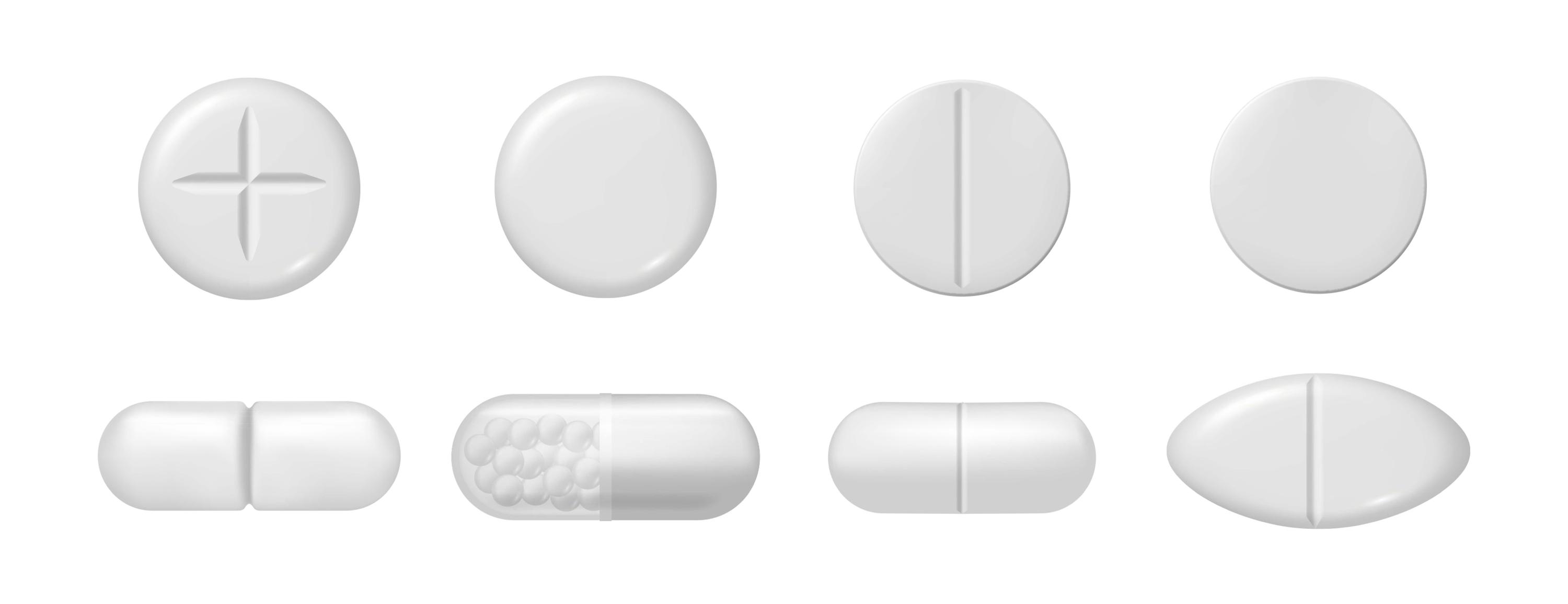
Precise control of tablet/capsule construction during the 3D-printing process allows for production of OSD products with sizes, shapes, and dosage levels tailored to the patient, eliminating the need for physical cutting/separation of the drug product.1,6,8,9,11 Porosity can be adjusted to allow for specific release profiles, ranging from rapid disintegration to slow, sustained erosion. Multiple APIs can be included within different layers/ compartments with varying time-release profiles. Such “polypills” can not only reduce the pill burden for patients but also undesired drug–drug interactions and thus side effects. 3D printing systems can, furthermore, be installed at hospitals, clinics, and pharmacies, with printing instructions provided digitally by healthcare professionals, allowing for on-site production of highly personalized therapies.
There are many potential applications for 3D-printed OSD drugs.1 In diabetes treatment, customized formulations of glucose-regulating APIs could be produced according to the specific metabolic profile of each patient. The DuoTablet, for instance, comprises a small tablet within a larger one, each of which contains a different dose of glipizide that are released at different times, reducing the requires dosing frequency for patients. Researchers have also investigated 3D-printed products containing other diabetes and hypertension medications, as well as multi-layer tablets combining both. In one case, five different medications (atenolol, pravastatin, ramipril, aspirin, and hydrochlorothiazide) were combined in a single 3D-printed polypill.
The Chinese company Triastek has three 3D-printed candidates in clinical development that are produced using patented MELT® (Melt Extrusion Deposition) technology for the production of multicompartment drugs. T19, T20, and T21 contained drug substances for the treatment of rheumatoid arthritis, cardiovascular diseases, and ulcerative colitis, respectively.1,9 Other 3D-printed medications targeting childhood cancer, where precise dosing is difficult to achieve using conventional tablet/capsule technologies.
Some investigators are taking 3D printing a step further to create 3D-printed drug products designed to change their shape, structure, or other attributes when exposed to specific environmental conditions. This approach is being referred to as 4D printing.1
The specific choice of 3D printing method (e.g., stereolithography (SLA), selective laser sintering (SLS), fused deposition modeling (FDM), ink-jet) is dictated by the desired dosage form, target geometry and release profiles, and the properties of the drug substance and excipients within the formulation.11 In addition to basic single- and multiple-layer/compartment tablets and capsules, 3D printing can be used to generate products containing a wide variety of materials, including advanced hydrogels, as well as to fabricate systems containing complex structures, such as microneedles.
3D printing is ideal for production of highly personalized medications because there are challenges to cost-effectively scaling up manufacturing using traditional techniques, such as fused deposition modeling (FDM) and extrusion-based printing. Efforts are being made to find solutions that allow for more rapid and cost-effective production of individualized OSD therapies in large quantities. One group, for instance, used injection molding to produce tablet bases upon which were printed tailored formulations prepared as fused filaments.12
3D screen printing is receiving significant attention as a promising alternative to inefficient traditional laser- and nozzle-based systems. It also avoids the need to heat materials to high temperatures (as is required for FDM), which can lead to API degradation. This scalable process still allows for precise, layer-by-layer construction of multi-functional, multi-compartment tablets and microtablets. It has been reported to support production of up to 1.5 million units per day.13 Laxxon Medical is one company using this technique.9 The company’s SPID® (Screen Printed Innovative Drug) technology uses pharmaceutical pastes and can generate complex systems.
Other researchers are investigating the incorporation of self-emulsifying systems within cavities of devices created using FDM to avoid the need to expose the API to higher temperatures.9 Efforts are also underway to find GMP-compliant polymers that can be extruded into filaments at lower temperatures.
Flexible Dosing Devices
One of the key challenges with OSD drugs formulated as conventional tablets and capsules is enabling flexibility in the dosing level. Physically breaking up tablets or emptying capsules to reduce the dose does not allow for precision. The advents of smaller dosage forms such as minitablets, multiparticulates, granules, and small pellets has provided opportunities for overcoming this issue. Several prefilled devices that allow controlled dispensing of different amounts of minitablets or granules are now on the market or in development.
Examples include the OraFID® (Sensidose, part of Navamedic ASA) prefilled minitablet dispenser,14 the OnDosis Dosage Manager (OnDosis AB) dispenser for medicines formulated as pellets or granules,15 and the POWDOSE®, (AbbatiaLabs) dispenser for customizable dosing of various OSD drugs.16 The handheld devices are designed to be easy to use and tamper-resistant, and typically come with replaceable, prefilled, multi-dose cartridges.
By allowing patients and caregivers to set the desire dose level, these devices help reduce dosing errors. They can be used with advanced OSD drugs designed to address bioavailability issues and formulated for sustained release and are particularly valuable for the administration of pediatric therapies for whom swallowing of conventional pills can be difficult and where careful control of dosages is imperative to ensure efficacy and safety.
There is also the potential to achieve flexible dosing of thin-film drugs.17 One such system allows flexible dosing but requires tearing of the film, preventing precise dosing. Others were battery-operated and carried high production and development costs. More recently (2019), a 3D-printed (via fused filament fabrication) prototype device for dispensation of an orodispersible film was developed containing warfarin that rapidly dissolves in the mouth. The dosage is adjusted by cutting of the film in specific lengths using a mechanical cutting device.
Smart Pills
In addition to enabling personalized OSD drugs through the use of specialized dispensing devices, it is also possible to enhance the delivery of orally administered drugs through the use of “smart” technologies, which include stimuli-responsive polymers, gastro-retentive systems, intestinal patches, and micromechanical devices.
Nanoparticle and hydrogel drug delivery systems can be formulated with polymers that respond to different environmental conditions, such as the presence of specific pH levels in the stomach or intestine, enzymes overexpressed in diseased tissues, and reductive conditions in cancer cells.6 Those formulated using magnetic materials (e.g., nanoparticles, granules) can be manipulated using externally applied magnetic fields.6,9
Gastro-retentive products are designed to remain for extended periods of time in the GI tract.2,3 Some contain effervescent excipients that affect their density and allow them to float in gastric juices.2 Formulations often include excipients to influence their density. Others are designed to form weak bonds to the mucous membranes (bio-adhesive, muco-adhesive), while still others form in situ gels (the raft-forming system) using hydrogels that swell in gastric juices. Some researchers have combined multiple approaches (such as floating and muco-adhesion or expandability, floating, and bio-adhesion) to overcome the limitations of each.
Depending on the choice of technology, they can target the small or large intestine, colon, and stomach. In one case, researchers designed multichiral mesoporous silica nanoscrews with a chiral helix shape to achieve enhanced mucosal diffusion and adhesion. In another, self-assembling amphiphilic peptides were used to generate short nanotubes that mimic the behavior of viruses with respect to their ability to penetrate the mucus layer and achieve high bioavailability. Ligands can also be incorporated onto the surfaces of nanoparticles to achieve targeted delivery.
Gastrointestinal patches targeting the intestinal mucosa can also increase the bioavailability of poorly soluble APIs while protecting them from degradation and supporting controlled release.9 They are typically composed of two or more layers of thin, flexible membranes consisting of pectin, poly-acrylic acids, alginates, polyvinyl acetate, and cellulose derivatives. The backing layer is generally water-impermeable and supports unidirectional release of the active at the mucosal surface. Patches with multiple layers may include those that are pH-sensitive and mucoadhesive, as well as the drug reservoir and backing layer.
Miniature microfabricated devices, including microneedles, robots, electronic sensors, and others, can be formulated within capsules or hydrogels and released within mucoadhesive specific areas of the GI tract.3,6,18
Microneedle-based systems inject drug substances into the wall of the stomach or other part of the GI tract to achieve enhanced bioavailability and avoid degradation. Reported examples include the Self-Orienting Millimeter Self-Applicator (SOMA) device, which is designed to self-orient in the stomach, and the Luminal Unfolding Microneedle Injector, a capsule with arms bearing microneedles that unfold in the intestine.
Microfabricated devices may be completely synthetic or biohybrids and are intended to overcome solubility and absorption challenges common to many APIs through acceleration of disintegration of the drug matrix and/or management of mucosal factors.18 The former use bodily fluids as fuel, while the later tend to be self-propelled.
A well-known example is the RoboCap, a capsule that is designed through its movement and surface structure, which includes helical grooves and microstuds, to clear mucus from the intestinal wall and thus enhance API absorption.6 Capsules containing sensors are able to monitor physiological conditions and then trigger the release of the drug substance at the optimal time.
While many of these “smart pill” technologies show significant promise, few have yet to reach the clinic.2 Concern over the potential toxicity, immunogenicity, and overall safety of microfabricated devices and nanoscale materials remains a key issue. More research must be completed to establish the level of confidence needed to assure their safe use.
Nanoscale and Excipient Solutions
The advances in OSD delivery technology highlighted herein have been enabled by innovations in many fields. Two worth emphasizing are nanotechnology and excipient design.5 New, sophisticated nanoscale carriers and biocompatible polymers are enabling the tailored delivery of OSD therapies. More advanced nanoscale systems support highly targeted delivery and controlled release of complex drug substances and microfabricated devices. Stimuli-responsive polymers and newer forms of traditional excipients, such as plant-based sugars and starches, support the development of better patient-centric formulations. The use of nanoscale materials, including novel polymeric nanoparticles and hydrogel systems, is also being combined with 3D-printing technologies for production of highly customized and personalized OSD products.11
Artificial Intelligence as a Tech Enabler
Even more sophisticated, personalized OSD formulations leveraging 3D printing, nanoscale materials, and “smart” technologies will be made possible through the application of AI in formulation design and to support decentralized manufacturing.5 It is well-suited for analyzing the vast quantities of data needed to design personalized OSD products, including personal health records, genomics information, PK/PD profiles, and more.11 While readily visible to human analysis, simulations supported by AI algorithms can accelerate development timelines for highly complex dosage forms.2
AI is also ideally suited to help in the optimization of formulations containing sophisticated devices for real-time monitoring and responsive drug release and could eventually facilitate “dynamic personalization,” according to Tan.5 Similarly, AI and machine learning algorithms are anticipated to facilitate the design, optimization, and manufacturing of 3D-printed drug products.11
Oral Delivery of Biologics
Given the preference by patients and doctors for oral delivery, it is not surprising that many researchers are seeking to identify technological solutions that will enable the oral administration of biologic drugs. Currently, the vast majority of large molecule therapies are administered via injection, owing to their inability to survive the harsh environment within the GI tract (digestive enzymes, damaging pH conditions) and penetrate mucosal barriers. Efforts are targeted at development of novel delivery systems, smart ingestible devices, and excipients that can protect these sensitive molecules and increase their absorption.8,18,19
Many of the technologies described above, including SOMA and LUMI microneedle devices, microrobots (including robotic capsules such as the RoboCap), and magnetically controlled systems, as well as self-unfolding foils (SUFs), self-configurable-proximity enabling devices (SPEDs), mucus-clearing devices, super-porous hydrogels (SPHs), nano-straws, and other smart pills, are currently being explored.9,19 Nanoparticulate systems, microencapsulation techniques, and bioadhesive polymers and other potential solutions are inspired by biological organisms, and most have protective coatings that prevent degradation.
Orally ingested microdevices (OIMs) have been investigated for the delivery of vaccines and hormones, as sensors for collection of metabolic data, and to influence the makeup of the gut microbiota.19 Several studies have investigated the use of GI patches, including robotic mucoadhesive patches, those containing nano- and micro-structures, and those formulated within capsules, for enabling the oral delivery of biologics.9
Examples of oral delivery solutions leveraging microneedles include the BIOND® technology (Biograil™), RaniPill® capsule (Rani Therapeutics), and BioJet™ oral delivery platform (Biora Therapeutics).9 The BIONDD™ system is delivered within a capsule and releases a spring-loaded grabbing mechanism once activated in the stomach that attaches to the stomach wall. The RaniPill® uses a self-inflating balloon to cause a stomach microneedle to insert into the wall of the GI tract. The BioJet™ oral delivery platform comprises an ingestible smart capsule that injects liquid biologic formulations into the small intestine for systemic uptake.
The dynamic omnidirectional adhesive microneedle system (DOAM) was inspired by a thorny-headed intestinal worm and designed by researchers for sustained delivery of peptides to the stomach using microneedles and permeation enhancers (excipients).9 The system was tested for the delivery of semaglutide, a GLP-1 inhibitor.
Manufacturing and Regulatory Challenges
Advancing candidates leveraging these novel technologies from the lab to the clinic has been challenging.1,2,5,11 Both regulatory and manufacturing obstacles must be overcome. For 3D-printed drugs, for example, GMP-compliant printing equipment and processes that can rapidly, reliably, and cost-effectively produce personalized drug products must become much more widely available. Solutions that support decentralized yet consistent production of customized medicines, including the development of skilled workers and flexible quality systems, are also needed.
Regulators today generally encourage the development of novel technologies that can address unmet challenges and do so cost-effectively. Even so, there is still need for new technologies to be demonstrated and validated. Those that incorporate microfabricated devices must comply with regulatory requirements for both drugs and devices, a situation biologics developers are familiar with but one that has not been an issue for OSD product developers in the past. However, definitive regulatory framework/pathways for 3D-printed medicines and OSD products containing supplicated microdevices have yet to be established. In addition, for truly personalized medicines, manufacturers must also ensure effective data security given the need to manage patient-specific information.
Finally, more knowledge of the biological barriers within the GI tract are needed to support effective design of OSD drugs based on poorly soluble drug substances with poor bioavailability, including both small molecules and biologics. This knowledge is needed to enable the development of solutions for improving the targeted delivery of oral medications to specific tissues/organs, cells, and intracellular regions.
Exciting Outlook
Despite these obstacles, the advances in technology outlined above are generating excitement about the potential for the improved and customized oral delivery of even the most challenging drug substances. Regulatory agencies are encouraging the development of new patient-specific and personalized approaches to drug delivery that support the delivery of the right amount of API to the right location at the right time for each individual patient.
Srinivasan Shanmugam, Executive Director of Pharmaceutical Sciences at Adare Pharma Solutions, summarized the potential of tailored drug release in a recent Tech Talk: “Tailored release now plays a crucial role in achieving therapeutic precision, aligning treatments with circadian rhythms, disease triggers, and patient preferences,” as well offering “strategic value in market differentiation and lifecycle management.”16 He concludes that “Next-generation technologies, such as multiparticulates, stimuli-responsive systems, and 3D-printed dosage forms, enable increasingly personalized drug delivery.
References
1. Saleh-Bey-Kinj, Zeena, Yet al. “3D Printing in Oral Drug Delivery: Technologies, Clinical Applications and Future Perspectives in Precision Medicine.” Pharmaceuticals. 18: 973 (2025).
2. Zhang, Y, et al. “Advanced oral drug delivery systems for gastrointestinal targeted delivery: the design principles and foundations.” J. Nanobiotechnol. 23: 400 (2025).
3. Lou, Jie et al. “Advances in Oral Drug Delivery Systems: Challenges and Opportunities.” Pharmaceutics. 15: 484 (2023).
4. Hayes, Brittany L. “Mini-Tablet Dose Form Considerations for Pediatric Patients.” Pharmaceutical Manufacturing & Packaging Sourcer (PMPS). 11 Aug. 2022.
5. Challener, Cynthia A. “Personalized and Patient-Centric Administration of Oral Medicines.” Pharm Tech. 49: 14–17 (2025).
6. Tiwari, Ankita, Bhakt Vatsal Singh, and Gaurav Kumar Gupta. “Innovations in personalized oral drug delivery systems: Enhancing efficacy and compliance through customized formulations.” Int. J. Pharm. R&D. 6: 49-58 (2024).
7. Auerbach, Mike. “Advancements in Oral Solid Dosage: Innovations Shaping the Future of OSD Pharmaceuticals.” Amer. Pharm. Rev. 18 Mar. 2025.
8. Langhauser, Karen. “2025 Predictions: Industry Leaders Weigh in on the Future of Oral Solid Dose.” Tablets & Capsules. 6 Feb. 2025.
9. Milian-Guimera, Carmen, et al. “Smart pills and drug delivery devices enabling next generation oral dosage forms.” J. Controlled Release. 364: (2023).
10. First FDA-Approved Medicine Manufactured Using 3d Printing Technology Now Available. Aprecia Pharmaceuticals. 22 Mar. 2016.
11. Kapoor, Devesh U, et al. “Innovative applications of 3D printing in personalized medicine and complex drug delivery systems.” Iscience. 28: 113505 (2025).
12. Xu, Han, et al. “Hybrid Manufacturing of Oral Solid Dosage Forms via Overprinting of Injection-Molded Tablet Substrates.” Pharmaceutics. 15: 507 (2023).
13. “Roundtable: Solid Dosage Trends.” Pharm Outsourcing. 15 May 2025.
14. “OraFID.” OraFID. Accessed 10 Nov. 2025.
15. Svensson, Emelie, Linus Engdahl, and Abraham Manuel James. “Achieving individualised dosing with pellet formulations combined with an innovative device technology.” Pharma Excipients. 15 Oct. 2025.
16. “Combining Powdose® And Diffucaps® For Precise Solid Oral Dosing.” Drug Delivery Leader. 30 Jun. 2025.
17. Niese, Svenja, Jörg Breitkreutz, and Julian Quodbach. “Development of a dosing device for individualized dosing of orodispersible warfarin films.” Int. J. Pharmaceutics. 561: 314-323 (2019).
18. Abbas, Amal et al. “Robotic micromotors transforming oral drug administration.” Trends in Biotech. 43: 2197-2213 (2025).
19. Khandke, Akshay et al. “Ingestible devices for oral delivery of biotherapeutics: A Mini Review.” Next Nanotech. 7: 100195 (2025).