Key Takeaways
Halophilic microorganisms can grow under high-salt, high-pH conditions that suppress contamination, enabling open or nonsterile fermentation processes.
Next-generation industrial biotechnology (NGIB) reframes biomanufacturing by embedding process robustness into the biology of the production host rather than relying on sterile infrastructure.
Engineered Halomonas strains have demonstrated production of polymers and chemicals at pilot-relevant scales under nonsterile conditions.
Early industrial activity, including dedicated companies and corporate R&D programs, signals growing interest but not yet widespread adoption.
Continued advances in genetic tools, process integration, and scale-up will determine whether halophilic platforms become mainstream manufacturing alternatives.
The Constraint: Contamination and Sterilization in Biomanufacturing
Microbial fermentation remains a foundational technology across biomanufacturing, but it carries a persistent operational constraint: the need to prevent contamination. In conventional systems, production organisms are cultivated under conditions that are also favorable to a wide range of environmental microbes. Without intervention, these competing organisms can outgrow or interfere with the production strain, leading to batch failure, reduced yields, or product quality issues. As a result, most industrial fermentation processes are designed around strict sterilization requirements.
Sterilization is not a trivial step in manufacturing. It shapes facility design, equipment selection, and process workflows from the outset. Bioreactors, feed streams, and transfer lines must be sterilized before use, often through steam-in-place (SIP) systems or other validated approaches. This introduces additional capital investment and energy demand, while also extending turnaround times between batches. Maintaining sterility throughout the process further requires closed systems, validated cleaning protocols, and continuous monitoring, all of which add layers of operational complexity.
These constraints become more pronounced at scale. As fermentation volumes increase, the challenge of maintaining sterility across large vessels and complex fluid handling systems grows accordingly. Even minor contamination events can have significant economic consequences, particularly in high-value or time-sensitive production campaigns. In this context, contamination control is not simply a quality concern; it is a central driver of cost, throughput, and manufacturing risk.
The concept of next-generation industrial biotechnology (NGIB) has emerged in response to these limitations. Rather than relying on increasingly sophisticated methods to maintain sterile conditions, NGIB explores alternative biological and process strategies that reduce or eliminate the need for sterilization altogether. One of the most prominent approaches within this framework involves the use of extremophilic microorganisms, such as halophiles, that can grow under conditions inhospitable to most contaminating species. By shifting the biological operating window, these systems aim to reframe contamination from a constant threat into a largely mitigated variable, opening the door to simpler and potentially more robust fermentation processes.
Halophiles as a Fundamentally Different Biological Strategy
Halophilic microorganisms offer a fundamentally different approach to microbial cultivation by operating in environmental conditions that most organisms cannot tolerate. Among these, Halomonas species have emerged as particularly relevant for industrial biotechnology because of their ability to grow in media with high salt concentrations and, in many cases, elevated pH. These physicochemical conditions define a selective environment in which conventional contaminants are unable to survive or proliferate.1
This distinction is not simply biological. It has direct implications for how fermentation processes can be designed. In traditional systems, process conditions are optimized primarily around the needs of the production organism, with sterility maintained through external controls. In contrast, halophilic systems embed contamination resistance directly into the biology of the host organism. The growth environment itself becomes a barrier to unwanted microbial intrusion, reducing dependence on sterile infrastructure.
For Halomonas, this capability is not theoretical. The organism’s tolerance to osmotic stress and alkaline conditions enables stable growth across a range of nonstandard media compositions, including those that would inhibit most industrial contaminants. As a result, fermentation processes can be designed to operate under conditions that are inherently selective, rather than artificially controlled through sterilization protocols. This shift creates the possibility of rethinking core aspects of bioprocess design, from reactor configuration to feed strategy, with contamination resistance built into the system rather than imposed upon it.
Contamination-Resistant and Open Fermentation
The biological properties of Halomonas translate directly into process-level advantages, particularly in the context of contamination control. Because these organisms grow under high-salt and often alkaline conditions that inhibit most competing microbes, fermentation systems can be operated with far less reliance on sterility. This has enabled the development of open or unsterile cultivation strategies, in which the surrounding environment does not need to be fully controlled to prevent microbial intrusion.1
These approaches have moved beyond conceptual frameworks and into experimental validation. Engineered Halomonas strains have been cultivated under open and unsterile conditions in controlled bioreactor settings, demonstrating stable production of target molecules without the need for conventional sterilization protocols.2 In these systems, the selective growth environment serves as the primary barrier to contamination, allowing the production organism to maintain dominance throughout the fermentation process.
The implications extend to process configuration as well. Open fermentation conditions are compatible with continuous or semi-continuous operation, where maintaining sterility over extended production runs would otherwise be a limiting factor. By reducing the dependence on sterilized inputs, closed systems, and rigorous aseptic handling, these platforms offer a pathway toward simpler and potentially more flexible manufacturing workflows.
NGIB: A New Industrial Biotechnology Paradigm
NGIB builds on the premise that the limitations of conventional fermentation are not solely engineering challenges, but also biological ones. Rather than continuing to refine sterile processing around traditional hosts, NGIB proposes a shift toward organisms whose native physiology aligns more closely with industrial needs. Extremophiles, and particularly halophiles, sit at the center of this approach.
Within this framework, Halomonas has emerged as a leading chassis organism. Its ability to grow under high-salt and alkaline conditions provides a foundation for processes that are inherently resistant to contamination, while also supporting flexible and scalable production strategies. This makes it well suited to serve as a platform organism for engineered biomanufacturing systems.3
The goals of NGIB are closely tied to the constraints discussed earlier. By enabling open or minimally controlled fermentation, these systems aim to reduce reliance on sterilization and the infrastructure that supports it. This has direct implications for cost, as sterilization and aseptic processing represent significant contributors to both capital and operating expenses. At the same time, the use of robust host organisms allows for more stable performance under a wider range of process conditions, which can improve reliability and reduce sensitivity to environmental fluctuations.
In this sense, NGIB is not simply an incremental improvement in fermentation technology. It reflects a broader rethinking of how biological systems are selected and engineered for industrial use. Halomonas and related extremophiles are being positioned not just as alternatives to established hosts, but as the basis for a different class of manufacturing platforms designed around resilience, simplicity, and adaptability.4
Engineering Halomonas into a Production Platform
The transition of Halomonas from an environmental organism to a viable industrial host has depended on the development of a functional genetic and metabolic engineering toolkit. Early work focused on adapting core molecular biology methods to operate under high-salt conditions, but more recent efforts have expanded into more sophisticated strategies, including promoter engineering, pathway optimization, and genome-scale modification. These advances have enabled the systematic tuning of gene expression and metabolic flux in halophilic systems, bringing them closer to the level of control seen in more established hosts.
Promoter systems tailored to Halomonas have been a key part of this progress. By developing regulatory elements that function reliably under halophilic conditions, researchers have been able to achieve more predictable and tunable expression of target genes. This has supported the construction of engineered pathways for the synthesis of a range of products, while also allowing for tighter control over cellular resource allocation and productivity.
Pathway engineering has further expanded the capabilities of these organisms. Through the introduction and optimization of heterologous and native metabolic routes, Halomonas strains have been adapted to produce polymers, small molecule chemicals, and functional biomolecules. These efforts often involve balancing precursor supply, cofactor availability, and byproduct formation, reflecting a growing sophistication in how halophilic metabolism is being manipulated for industrial purposes.5
Among the available strains, Halomonas bluephagenesis has emerged as a primary engineered chassis. It has been the focus of multiple studies aimed at establishing a flexible production platform, in part because of its tolerance to a wide range of process conditions and its amenability to genetic modification. As a result, it serves as a model system for demonstrating how halophiles can be systematically engineered into production hosts capable of supporting diverse biomanufacturing applications.5
Demonstrated Production Capabilities
The development of Halomonas as a production host is supported by a growing body of experimental work demonstrating its ability to synthesize a range of industrially relevant products under nontraditional fermentation conditions. These studies move beyond proof-of-concept engineering and begin to establish performance benchmarks that are relevant to scale-up and process development.
One of the more extensively studied examples is the production of 3-hydroxypropionate, a platform chemical used in the synthesis of polymers and other materials. Engineered H. bluephagenesis strains have been shown to produce this molecule at high titers under open and unsterile fermentation conditions, highlighting the compatibility of product formation with the contamination-resistant process environment.2 This combination of metabolic performance and process robustness is central to the NGIB concept.
Polyhydroxyalkanoates (PHA) and related copolymers represent another major product class demonstrated in Halomonas systems. These biopolymers have been produced in engineered strains at pilot-relevant scales, including operation in tens- to hundreds-of-liter bioreactors. Such studies indicate that halophilic fermentation can be extended beyond laboratory-scale experimentation into more industrially meaningful settings, with sustained productivity and high cell density under open or minimally controlled conditions.6
In addition to single-product pathways, Halomonas platforms have also been used for multi-product biosynthesis strategies. Through metabolic engineering, strains have been designed to utilize low-cost or unconventional substrates while channeling carbon flux toward multiple target molecules. This flexibility reflects both the adaptability of the host organism and the expanding toolkit for pathway design, supporting the idea that halophiles can serve as generalist production platforms rather than niche systems limited to specific products.
Scale-Up and Industrial Feasibility
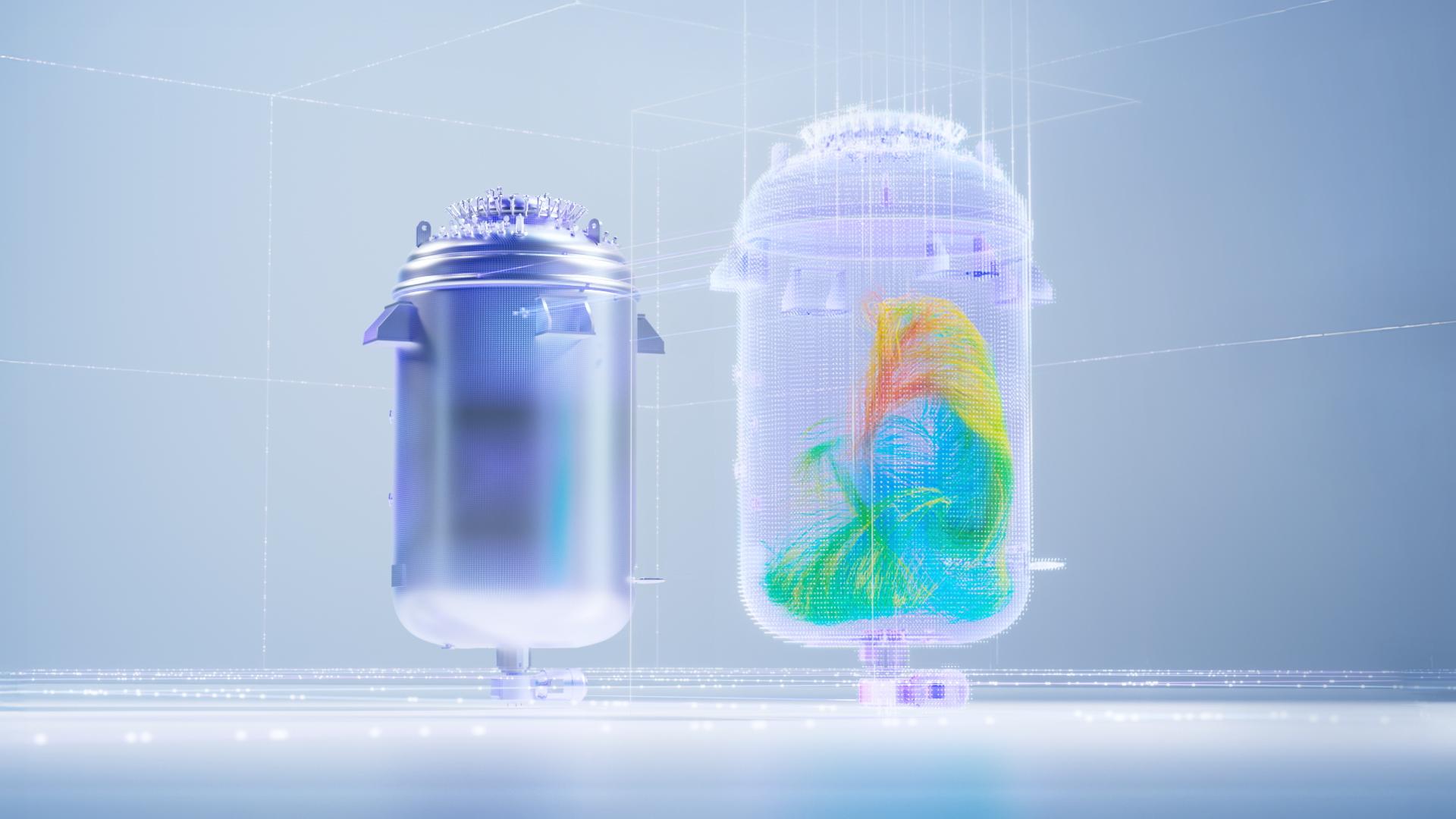
A critical question for any alternative microbial host is whether its advantages persist beyond laboratory-scale experiments. In the case of Halomonas, several studies have extended engineered strains into pilot-scale bioreactor systems, providing early evidence that the platform can translate into more industrially relevant settings. Fermentation processes have been demonstrated in the tens- to hundreds-of-liter range, including operation in 30-L and 100-L bioreactors, while maintaining the defining features of halophilic cultivation.6
These systems have achieved high cell density alongside sustained product formation, indicating that productivity can be maintained under conditions that differ substantially from conventional sterile fermentation. The ability to support dense cultures is particularly important for industrial feasibility, as it underpins volumetric productivity and overall process efficiency. In halophilic systems, this performance is achieved without the same level of environmental control typically required to suppress contamination.
The compatibility of Halomonas with open or unsterile fermentation further supports its potential for scale-up. Processes that do not depend on strict sterility are inherently easier to extend across larger volumes, where maintaining aseptic conditions becomes increasingly complex and resource-intensive. By embedding contamination resistance into the biology of the system, halophilic fermentation platforms offer a route to scaling that avoids some of the traditional bottlenecks associated with large-scale biomanufacturing.2
While these demonstrations remain at the pilot stage, they establish an important foundation. They show that the advantages observed at smaller scales (i.e., contamination resistance, flexible process design, and stable production) can be preserved as systems move toward industrially relevant volumes, positioning Halomonas as a credible candidate for further scale development.
Early Industry Signals and Commercialization Pathways
The following examples are drawn from company disclosures, institutional materials, and translational research affiliations. While not all represent fully commercialized platforms, they provide insight into how halophilic fermentation systems are beginning to move beyond academic development and into early industrial exploration.
Dedicated Companies Emerging
One of the clearest indicators of commercialization potential is the emergence of companies directly linked to Halomonas platform development. Bluepha Co., Ltd. is among the most visible examples, appearing as an affiliated organization in peer-reviewed work focused on engineering Halomonas strains for industrial applications. This connection reflects a broader pattern in which advances in NGIB are transitioning from academic laboratories into company-led development efforts. The involvement of a dedicated entity suggests an intent to translate platform capabilities into scalable production systems, even if widespread deployment has not yet been realized.7
Industrial R&D Programs
In parallel, larger industrial organizations have begun exploring Halomonas-based fermentation within structured research and development programs. Daigas Group has reported efforts to develop biomanufacturing processes using Halomonas to produce chemicals that would otherwise be derived from fossil resources. These activities are being pursued within consortium-based initiatives that include multiple industrial partners, indicating a collaborative approach to advancing the platform. The focus on scale-up and diversification of product targets further suggests that these efforts are aimed at evaluating industrial feasibility rather than remaining at the level of exploratory research.8
These signals point to the early stages of a commercialization pathway. Dedicated companies linked to the academic NGIB ecosystem and corporate R&D programs focused on halophilic fermentation both indicate growing interest in translating this approach into practice. At the same time, the available evidence does not suggest widespread adoption within established biomanufacturing infrastructure, including contract development and manufacturing organizations. The platform remains in an emerging phase, with pilot-scale validation and early industrial engagement laying the groundwork for potential expansion rather than reflecting a mature, broadly deployed technology.
Remaining Challenges
Despite the progress in developing Halomonas as a production host, several technical and practical challenges continue to limit broader adoption. One of the most fundamental is the relative complexity of engineering extremophiles compared to well-established model organisms. Hosts such as Escherichia coli or Saccharomyces cerevisiae benefit from decades of tool development, standardized workflows, and extensive biological understanding. By contrast, halophilic systems require adaptation of these tools to function reliably under high-salt and often alkaline conditions, which can affect everything from DNA stability to protein expression and enzyme activity.
Although significant advances have been made in developing genetic toolkits for Halomonas, these systems are still evolving. Efforts to improve promoter libraries, regulatory control, and genome-editing capabilities are ongoing, but they do not yet match the depth and flexibility available in conventional hosts. This can limit the speed and predictability of strain engineering, particularly for more complex metabolic pathways or multi-product systems.3
Industrial deployment presents an additional layer of complexity. While pilot-scale demonstrations have shown that halophilic fermentation can be extended beyond the laboratory, the transition to full commercial-scale manufacturing introduces new considerations. These include process integration, downstream processing under high-salt conditions, and compatibility with existing manufacturing infrastructure. As a result, Halomonas-based systems remain in an early stage of industrial adoption, with continued development needed to address both biological and engineering constraints before they can be widely implemented.4
Strategic Implications for Biomanufacturing
The emergence of halophilic fermentation platforms carries implications that extend beyond individual processes to the broader design of biomanufacturing systems. One of the most significant is the potential shift away from strictly sterile operations toward process environments that tolerate, or even leverage, nonsterile conditions. By embedding contamination resistance within the biology of the production organism, Halomonas-based systems introduce the possibility of simplifying facility design and reducing reliance on aseptic infrastructure. This represents a meaningful departure from the conventional paradigm in which sterility is maintained through increasingly complex engineering controls.
At the same time, these platforms contribute to an expansion of the microbial chassis landscape. For decades, industrial biotechnology has relied heavily on a small set of model organisms. The development of Halomonas as a production host suggests that this landscape may broaden to include organisms selected not only for their genetic tractability, but also for their compatibility with industrial operating conditions. This shift reflects a more integrated approach to host selection, where biological robustness and process design are considered together rather than sequentially.
These changes also align with broader priorities in industrial biotechnology, including cost reduction and sustainability. Reducing or eliminating sterilization steps can lower energy consumption and simplify operations, while the ability to utilize unconventional or lower-cost substrates supports more flexible feedstock strategies. Within the NGIB framework, these attributes are not treated as incremental improvements, but as core design principles that shape how fermentation processes are conceived and implemented.
As these systems continue to develop, their impact will depend on how effectively they can be integrated into existing manufacturing ecosystems. Whether Halomonas-based platforms remain specialized solutions or evolve into more widely adopted alternatives will depend on continued progress in strain engineering, process development, and industrial validation.
References
1. Coimbra, Andre AB, et al. “Establishing Halomonas as a chassis for industrial biotechnology: advances in synthetic biology tool development and metabolic engineering strategies.” Microbial Cell Factories. 24: 133 (2025).
2. Jiang, Xiao-Ran, et al. “Hyperproduction of 3-hydroxypropionate by Halomonas bluephagenesis.” Nature Communications. 12: 1513 (2021).
3. Yan, Xu, et al. “The halo of future bio-industry based on engineering Halomonas.” Metabolic Engineering. 90: 16–31 (2025).
4. Zhang, Xiaohan, et al. “Next-generation industrial biotechnology for low-cost mass production of PHA.” Trends in Biotechnology. 42: 135–136 (2024).
5. Lin, Yina, et al. “Engineering Halomonas bluephagenesis as a chassis for bioproduction from starch.” Metabolic Engineering. 64: 134–145 (2021).
6. He, Hongtao, et al. “Engineering Halomonas bluephagenesis for pilot production of terpolymers containing 3-hydroxybutyrate, 4-hydroxybutyrate and 3-hydroxyvalerate from glucose.” Metabolic Engineering. 90: 117–128 (2025).
7. Shen, Rui, et al. “Promoter Engineering for Enhanced P(3HB-co-4HB) Production by Halomonas bluephagenesis.” ACS Synthetic Biology. 7: 1897–1906 (2018).
8. “Development of Biomanufacturing Using Halomonas Microorganism.” Daigas Group. Accessed 24 Apr. 2026.