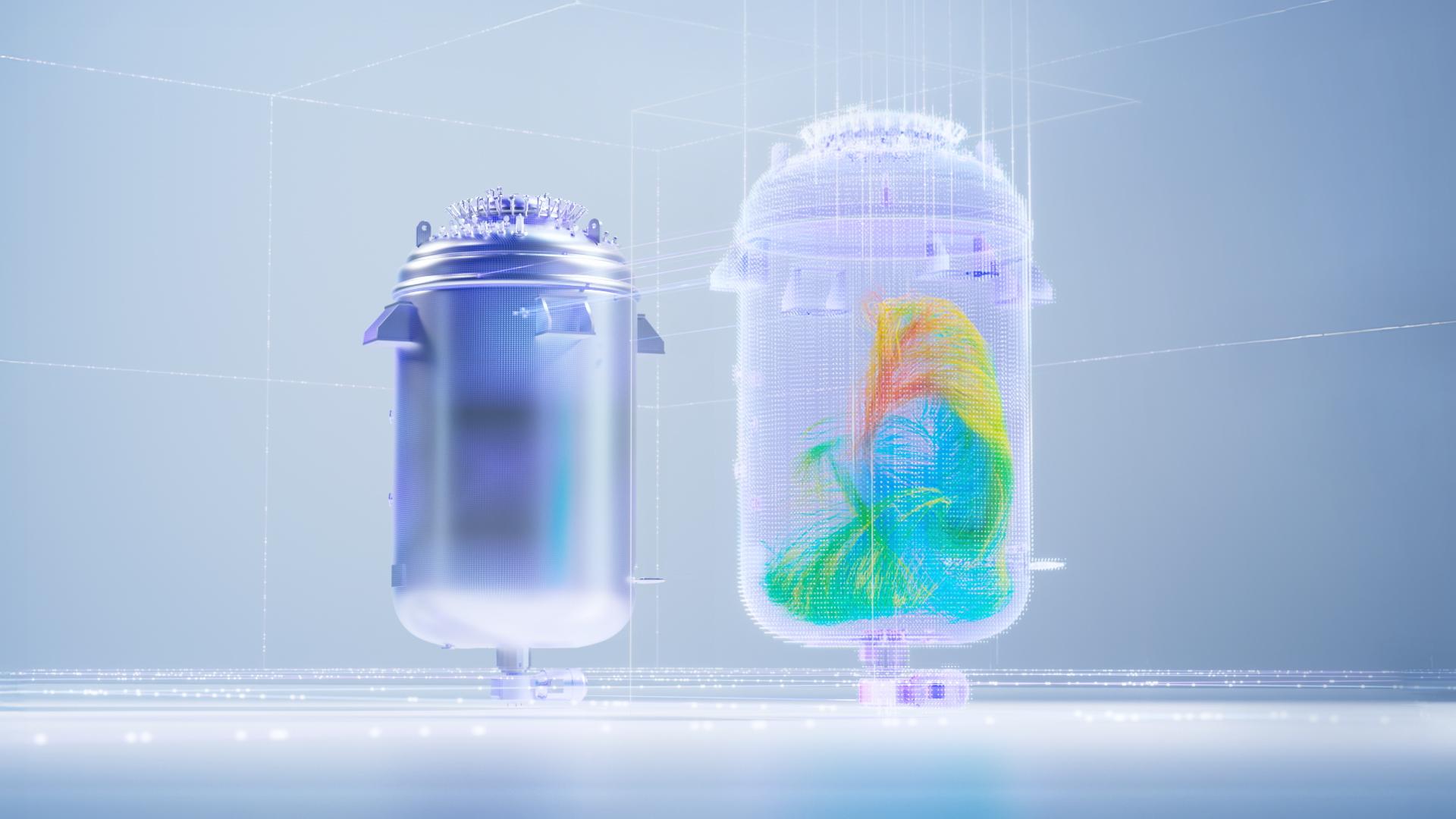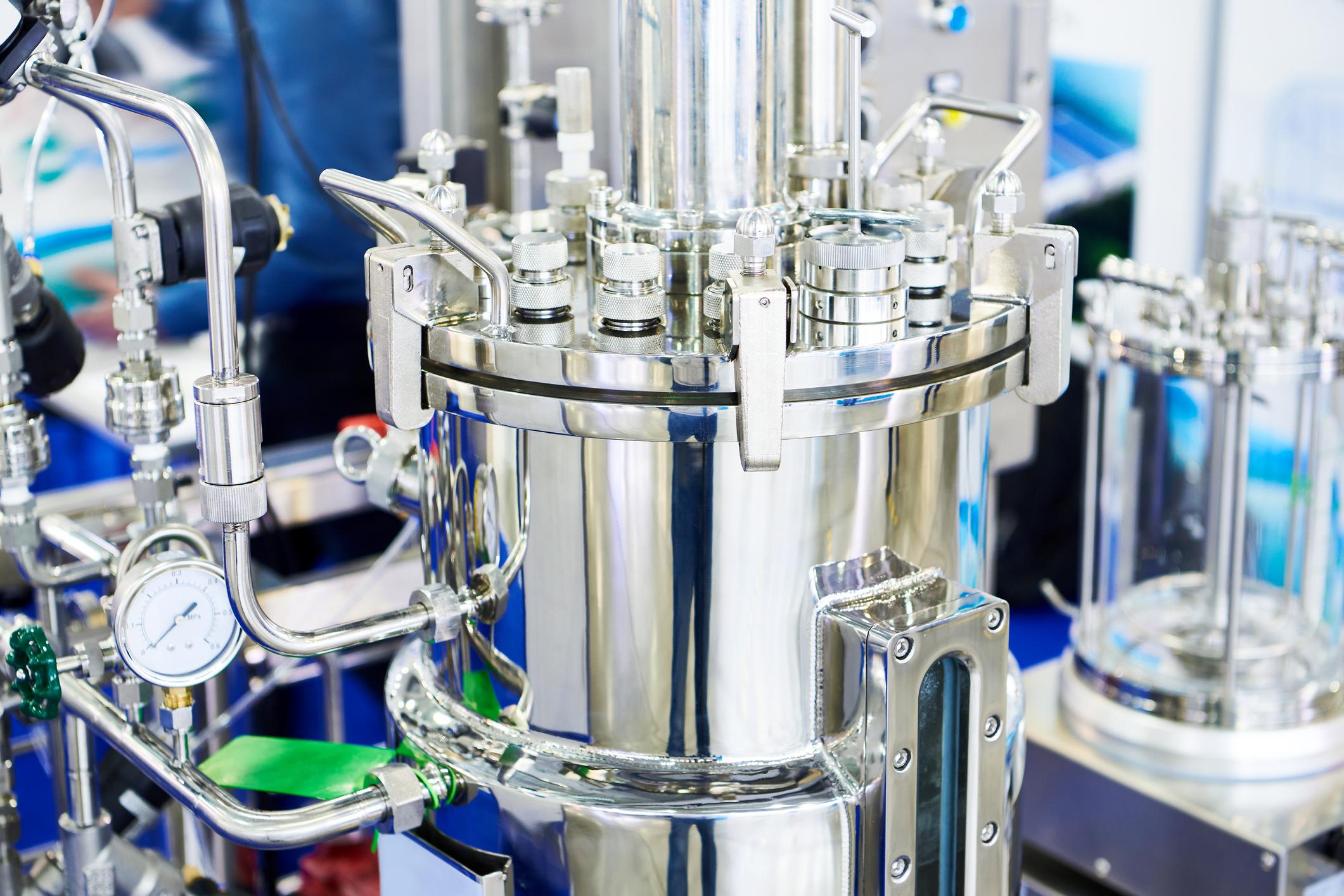
Real-time release testing (RTRT) is transforming how the industry defines quality and turning continuous monitoring into regulatory confidence. As biopharma moves toward integrated, data-driven manufacturing, technologies like Hamilton’s precision sensors provide the reliable, traceable measurements that make real-time quality possible.
Why “Real-Time” Matters Now
As regulatory and business priorities align on real-time quality, biopharma is recognizing that data integrity begins with measurement integrity. For decades, pharmaceutical manufacturing has relied on quality by inspection (QbI) to confirm that a batch meets its quality specifications. Samples are pulled, analyzed offline, and, if the data align with expectations, the final or the intermediate products are then cleared for release. This model has served the industry well enough to ensure patient safety, but it is slow, resource-intensive, and prone to waste when late-stage deviations are uncovered. Real-time release testing (RTRT) represents a fundamental rethinking of that paradigm. Instead of verifying quality after the fact, it establishes confidence during production itself, continuously monitoring critical quality attributes (CQAs) and critical process parameters (CPPs) to confirm that a process is under control and capable of delivering a product that meets specifications every time.
In upstream bioprocesses, stable control of pH, dissolved oxygen (DO), and CO₂ is tightly linked to cell metabolism, productivity, and posttranslational quality attributes, such as glycosylation. Sensors that maintain precision under dynamic culture conditions provide the high-frequency, high-integrity data essential for process analytical technology (PAT) models — transforming real-time monitoring into real-time assurance. Likewise, optical and electrochemical probes complement spectroscopy-based PAT, forming multi-parametric control strategies that extend from upstream growth to downstream purification.
Regulators and manufacturers alike are seeking new efficiencies in a landscape shaped by supply chain disruption, rising costs, and increasing therapeutic complexity. Both the U.S. Food and Drug Administration (FDA) and the European Medicines Agency (EMA) have made clear through quality by design (QbD), PAT, and continuous manufacturing (CM) frameworks that the goal is no longer just to ensure compliance, but to enable continuous assurance of quality throughout the product life cycle.5 As the life sciences sector faces pressure to accelerate development timelines and improve resilience, the ability to verify quality in real time has become not just an operational improvement but a strategic differentiator.
From Hamilton’s perspective, RTRT is the convergence point of regulatory intent and technological readiness — where validated, traceable sensor data transforms compliance into confidence. As a developer of advanced process analytics, Hamilton understands the practicalities of connecting measurement integrity with regulatory trust.
From Quality by Inspection to Real-Time Release: A Brief History
The concept of releasing pharmaceutical products based on process data rather than end-product testing is not new. Parametric release, which was first applied primarily to sterile drug products, allowed manufacturers to demonstrate sterility assurance through validated process parameters rather than exhaustive microbial testing. It was a recognition that a well-controlled process could serve as proof of product quality in its own right. This principle laid the groundwork for RTRT: if a validated process can be trusted to assure sterility, it should, in theory, also be capable of assuring other CQAs.
By the early 2000s, regulatory agencies began formalizing this shift in mindset. The FDA’s promotion of PAT in 2004 marked the first systemic effort to promote the use of in-line and on-line analytical tools to monitor and control manufacturing in real time. PAT was soon followed by the broader QbD initiative, codified through the FDA’s Q8–Q10 guidance series, which emphasized understanding the relationships among critical material attributes, process parameters, and quality outcomes.1 Together, these frameworks reframed product quality as something that must be built in rather than tested in, reinforcing the scientific and statistical basis for real-time assurance.
A decade later, the EMA further clarified the regulatory expectations for RTRT with its 2012 guideline on real-time and parametric release. It defined RTRT as the ability to evaluate and ensure product quality using process data rather than traditional end-product testing, provided that the manufacturer can demonstrate a sustained state of control.2 This introduced key concepts, such as process understanding, validated models, and batch equivalence, that continue to define the regulatory pathway today.
Most recently, the International Council for Harmonisation’s ICH Q13 guideline has helped promote CM as an accepted mode of production across global markets. This document explicitly recognizes the role of real-time data in maintaining a state of control and facilitating real-time release decisions.3 In many ways, RTRT represents the culmination of these decades of evolution — a natural endpoint for a regulatory and technological movement that has steadily shifted from retrospective verification to continuous, data-driven confidence in every batch produced.
The Business Impact
While the regulatory rationale for RTRT has been well established, the economic case is equally compelling. Traditional end-of-line testing introduces delays that ripple across production, warehousing, and distribution. Every hour a batch spends in quality hold ties up capital, storage capacity, and human oversight. By contrast, RTRT collapses that timeline. It enables faster batch disposition and continuous material flow, which directly improves cash conversion, shortens cycle times, and reduces the total cost of quality.4–6
Quantitative analyses from industry collaborations show that RTRT can reduce inventory levels by 30–50%, decrease batch release times from weeks to days, and cut quality-related costs by as much as 20% through lower sampling, testing, and rework requirements.7 These gains translate to more than operational efficiency; they reshape business agility. In a market where demand volatility and global supply chain disruptions are the norm, real-time quality verification allows manufacturers to respond to fluctuations without compromising compliance. The approach supports leaner manufacturing footprints and more synchronized supply networks, both of which contribute to improved resilience and faster time to market.
RTRT also aligns with broader sustainability and resource optimization goals. Continuous monitoring helps minimize wasted materials and energy, enabling better utilization of inputs and a smaller environmental footprint. In combination with automation and single-use systems, real-time data streams support smarter process control that reduces water and buffer use while maintaining consistent output quality.
But the technical and organizational journey from PAT to full RTRT is not linear. It requires not only the right measurement technologies but also cultural and structural change across development, operations, and quality functions — a challenge that has slowed adoption even as the business case has grown increasingly clear.
The Science Behind Real-Time Assurance
At its core, RTRT is the practical realization of process understanding. Rather than waiting for finished-product samples to confirm that a batch meets its specifications, RTRT continuously measures the parameters that define product quality as the process unfolds. These include familiar CPPs, such as pH, temperature, DO, carbon dioxide (CO₂), and glucose, and CQAs, such as cell viability and product potency, purity, and concentration. By monitoring these in real time, manufacturers can maintain a validated “state of control” and demonstrate that each unit of product is meeting the same standards throughout production.8.9 In the context of RTRT, in-line measurements, which are acquired directly within the process stream, are particularly valuable because they can support real-time control and release decisions while reducing reliance on off-line testing.
The bridge between data collection and decision making is formed by chemometric models and multivariate analysis. These statistical tools correlate process measurements to product quality attributes, translating complex spectral or sensor signals into actionable quality predictions. Through continuous validation and model life cycle management, these predictive frameworks are refined over time, learning from process data to enhance precision and robustness. Multi-variate data analysis (MVDA) turns a stream of raw sensor data into a real-time map of process health, providing the evidence needed for regulators and quality teams to trust release decisions made without end-product testing.
Recent advances in process analytics have expanded what can be measured with sufficient sensitivity and reproducibility for RTRT. Raman spectroscopy, near-infrared (NIR) spectroscopy, and other optical techniques are increasingly capable of quantifying protein concentration, aggregation, and even structural integrity during production.8,9 These in-line and at-line tools complement more conventional probes, allowing comprehensive control strategies that combine physical, chemical, and biological monitoring in a single continuous framework.
The Regulatory Landscape: Alignment, Not Resistance
Across major jurisdictions, the message is consistent: RTRT is acceptable when manufacturers can demonstrate a sustained state of control under a science- and risk-based framework. The EMA guideline establishes RTRT as the use of process data rather than end-product tests to assure that each batch meets its specifications, provided the control strategy, models, and measurements are validated and traceable.2 The FDA’s Q8–Q10 guidance series embeds the same logic in QbD and life cycle management, emphasizing defined design spaces, continuous verification, and data integrity from sensor to decision.1 ICH Q13 then redefines CM, explicitly linking real-time monitoring and control to maintaining a state of control and enabling performance-based release decisions across the product life cycle.3
Practitioners, however, point to practical hurdles that sit between approval on paper and approval in practice. Chief among them are model life cycle questions: how to establish fit-for-purpose chemometric models, keep them current as processes drift or are improved, and document change control in ways that satisfy auditors. Implementation notes from industry roundtables and conferences consistently flag model maintenance, calibration strategy, and ongoing verification as the areas that require the most discipline and resourcing. Recent reviews reinforce that RTRT success depends on rigorous model governance, which covers training data representativeness, cross-validation, periodic requalification, and clear links between model outputs and CQAs.10
Crucially, agencies now encourage early engagement and iterative evidence generation. Interactive pathways and scientific advice are meant to surface model and measurement questions upstream, align on validation approaches, and plan for continuous performance verification (CPV) over the life cycle.1–3 For companies that can prove data integrity, starting with well-characterized sensors, robust calibration, and defensible traceability, this environment is an opportunity: regulators are asking not for omniscience but for transparent, well-governed systems that make real-time decisions as trustworthy as traditional release testing.
Real-time data credibility begins at the sensor. Calibration traceability, redundancy, and audit trails turn raw measurements into regulatory evidence. In practice, RTRT is not achievable without measurement systems that regulators trust as much as traditional laboratory data. Hamilton’s digital traceability technologies, such as the Arc® platform, illustrate how “data integrity by design” principles can be implemented in practice — embedding validation directly into every measurement.
Barriers to Adoption
Despite strong regulatory support and a clear business case, progress toward RTRT has been slower than expected. The reasons are multifaceted, spanning technical limitations, organizational inertia, and gaps in analytical infrastructure that prevent data from achieving the trustworthiness required for regulatory confidence.
Technical Barriers
Even with advances in PAT, not all CQAs can be measured in real time. While parameters such as pH, dissolved oxygen, carbon dioxide, and glucose are routinely monitored, others, especially those involving complex proteins, metabolites, or higher-order molecular structures, remain difficult to quantify during processing.8,11,12 Current spectroscopy and MVDA tools can infer quality from correlated signals, but these models require extensive calibration and ongoing verification to remain valid. The absence of universally accepted model life cycle control practices adds further complexity, as does the need for continuous retraining when raw materials, instruments, or process conditions change. Furthermore, even where measurement technologies exist, sensor validation and calibration under good manufacturing practice (GMP) conditions remain resource intensive. Recent industry assessments show that each new RTRT implementation requires detailed evaluation of return on investment, with cost–benefit analyses emphasizing both long-term efficiency and near-term validation burden.7
Organizational and Cultural Barriers
Cultural resistance may be the most persistent barrier. Many organizations remain hesitant to overhaul established quality systems that, while inefficient, are well understood by regulators and auditors. Quality assurance, operations, and data science teams often operate in silos, making cross-functional collaboration on model development and maintenance difficult. This fragmentation reinforces the perception that RTRT introduces risk rather than reducing it. Even when executives recognize the strategic value, the “activation energy” required to modernize systems — retraining personnel, redefining workflows, and validating digital infrastructure — can seem to outweigh even immediate payoffs, let alone more distal benefits in a phased adoption approach.4 Moreover, fear of regulatory scrutiny for novel analytical approaches discourages early experimentation, even though agencies have signaled openness to pilot efforts and scientific dialogue.
Analytical Infrastructure Barriers
Underlying many of these challenges is an uneven maturity of analytical and digital infrastructure. Data silos, inconsistent calibration regimes, and fragmented software systems make it difficult to trace a measurement from sensor output to release decision. Without end-to-end traceability and harmonized data management, real-time insights cannot be relied upon for compliance-critical functions. The principle of “data integrity by design,” a central tenet of FDA’s Quality System (Q10), underscores that confidence in RTRT depends on the reliability and governance of every data source feeding it.1 True readiness requires harmonized digital architectures that treat calibration, traceability, and validation as continuous — not episodic — activities. Until that foundation is fully in place, many manufacturers will continue to view RTRT as aspirational rather than achievable.
The Path Forward: Building Regulatory Confidence
RTRT adoption is no longer limited by technology; the real constraint is confidence in the data behind it. The industry has already demonstrated that PAT tools, real-time sensors, continuous monitoring, and multivariate models can deliver reliable insights into product quality. What remains is building the regulatory and organizational confidence to treat these digital signal insights as primary evidence for release, rather than relying on physical samples alone. The shift from demonstrating capability (“proof of concept”) to demonstrating trust (“proof of trust”) will define the real turning point in RTRT adoption and determine how quickly the industry can move from experimentation to implementation.
The path forward begins with focus. Rather than attempting to apply RTRT across an entire process at once, many organizations are starting small by targeting high-impact unit operations where process understanding is strongest and analytical methods are already validated. Such focused PAT pilots enable the collection of high-quality data to strengthen predictive models and quantify their reliability under real manufacturing conditions.5 These incremental efforts create both the technical validation and internal familiarity that make scaling feasible.
Early model and sensor validation within a QbD framework is equally essential. By embedding verification protocols during development rather than after technology transfer, teams can demonstrate that their models are statistically sound, their sensors remain stable, and their data integrity is ensured throughout the product life cycle. This proactive approach aligns with the regulatory principle that maintaining a “state of control” depends on continuous verification, not one-time qualification.3
Cultural integration is also critical. RTRT readiness depends on dismantling silos between quality assurance, manufacturing, and data science teams so that everyone operates from a shared understanding of what real-time data means for compliance and control. Cross-functional collaboration helps define clear responsibilities for calibration, model governance, and deviation response, creating a transparent feedback loop that supports both internal and regulatory confidence.
Finally, companies that succeed in implementing RTRT treat regulatory engagement as a continuous conversation rather than a final hurdle. Agencies consistently encourage early and iterative dialogue, inviting manufacturers to present their monitoring strategies, model validation plans, and data governance structures before formal submission. Organizations that document their decision logic, traceability protocols, and life cycle management from the outset not only streamline approvals but also position themselves as credible partners in the regulatory modernization now underway.
To accelerate RTRT adoption, the industry must converge on shared validation and calibration standards — a goal Hamilton actively supports through collaboration with manufacturers, regulators, and industry consortia. Open digital ecosystems that allow sensor data to integrate seamlessly with PAT and control platforms will be key to building universal trust in real-time decisions.
Ultimately, the data that matter in RTRT are not just those that are generated, but those that can be defended — scientifically, statistically, and with regulators. In this environment, RTRT maturity is not measured solely by analytical sophistication but by the robustness of trust in data, in processes, and in the systems that connect them.
Hamilton’s Role: Enabling Reliable Real-Time Data
RTRT depends on one foundational truth: quality decisions are only as strong as the data that support them. For all the sophistication of chemometric models and digital twins, regulatory confidence ultimately begins with the physical measurement — the assurance that every sensor reading is accurate, stable, traceable, and audit-ready. This is where companies with deep expertise in process analytics play a pivotal role. Hamilton’s sensor technologies are designed to provide this foundation, delivering real-time data that can support PAT frameworks and RTRT strategies under GMP scrutiny.
Hamilton’s portfolio of precision, GMP-validated sensors covers the full spectrum of CPPs required for robust process control. pH, DO, glucose, CO₂, conductivity, and viable-cell density sensors are engineered not only for accuracy but also for durability under the demanding conditions of biopharmaceutical production. Each sensor is designed with validation, calibration, and traceability in mind, ensuring that real-time data can withstand the scrutiny of both internal quality systems and regulatory audits.
A key differentiator in this respect is Hamilton’s digital sensing platforms, such as Arc®, which embed calibration and configuration data directly into the sensor head. This design minimizes human error, simplifies audit readiness, and ensures complete traceability from calibration through operation. By turning every sensor into a self-contained, digitally authenticated data source, Arc® supports the “data integrity by design” principles that underpin RTRT and CM.
Beyond instrumentation, Hamilton collaborates closely with manufacturers to integrate its sensing technologies into closed-loop control systems and PAT networks. These partnerships enable process teams to connect real-time measurements directly to control algorithms, facilitating automated adjustments and early-deviation detection. The company’s applied research and development efforts continue to expand the analytical frontier, including next-generation CO₂ sensors, optical probes for advanced analytes, and digital platforms that harmonize calibration and data management across facilities.
Hamilton’s goal isn’t just to make better sensors — it’s to make better data. RTRT depends on both: robust technologies and the confidence to act on the measurements they provide. Through this combination of technological innovation and application expertise, Hamilton helps bridge the critical gap between process monitoring and real-time release. Every validated sensor becomes part of a broader ecosystem of trust that allows manufacturers to move beyond observation toward assurance.
Outlook: From Early Adopters to Industry Standard
The trajectory of RTRT has shifted decisively from aspiration to momentum. What was once seen as a bold experiment by a few early adopters is now being recognized across the industry as the logical evolution of modern manufacturing, with more organizations plotting out strategies to achieve RTRT. Recent analyses point to an accelerating wave of adoption as more organizations demonstrate successful implementations that shorten release times, reduce cost of quality, and improve consistency.4,9 The narrative has moved beyond “if” to “when,” and the competitive advantage increasingly lies in how quickly and confidently companies can operationalize real-time quality assurance.
Regulators are signaling rising expectations. Agencies have made clear that continuous verification, data integrity, and process transparency are not optional enhancements but fundamental components of next-generation compliance. Biopharma companies and investors are taking note, recognizing that RTRT-enabled facilities can deliver faster market response, better supply continuity, and improved resource efficiency, all critical advantages in a globalized, high-demand therapeutic landscape. As these expectations become more deeply embedded in both regulatory frameworks and business strategy, RTRT will transition from a differentiator to a baseline requirement for competitive manufacturing.
The convergence of CM, sustainability goals, and AI-driven analytics will only accelerate this shift. Continuous processes already depend on in-line monitoring and automated control to maintain consistency; sustainability initiatives reward waste reduction and efficient resource use; and AI thrives on high-frequency, high-quality data streams. Together, these trends form a reinforcing cycle of innovation that points toward a fully connected, intelligent manufacturing environment.
The next leap for RTRT will come from sensors that not only measure but interpret — self-verifying, self-calibrating instruments that feed directly into AI-driven control systems, closing the loop between data generation and decision making. As digital twins and predictive analytics gain traction, sensors capable of ensuring their own reliability will form the backbone of autonomous, continuously verified manufacturing.
By equipping manufacturers with validated, traceable, and reliable sensor data, Hamilton is helping translate the promise of RTRT into everyday practice: one process, one parameter, and one data point at a time.
Conclusion
RTRT represents far more than an incremental improvement in pharmaceutical analytics; it represents a conceptual shift in how quality itself is defined and assured. It replaces the reactive mindset of end-product testing with proactive, continuous verification built into every stage of production. In doing so, RTRT transforms quality from an outcome to a living process, governed by data, maintained through control, and validated in real time.
The industry now stands at an inflection point where regulatory alignment, economic pressure, and technological maturity have converged. Agencies have established clear frameworks for science-based control; business leaders increasingly recognize the operational and financial benefits of immediate release; and the technologies required, from robust sensors to predictive analytics, are proven and ready to scale. The pieces are in place for real-time assurance to become the standard, not the exception.
By delivering the reliable, validated, and traceable sensor technologies that underpin every PAT and RTRT system, Hamilton is helping manufacturers move from simply monitoring quality to truly releasing quality in real time. This is the future of pharmaceutical manufacturing — faster, smarter, more sustainable, and built on a foundation of trust in every measurement.
References
1. Guidance for Industry: Q8, Q9, and Q10, Questions and Answers. U.S. Food and Drug Administration. Jul. 2012.
2. Guideline on Real Time Release Testing (formerly Guideline on Parametric Release). European Medicines Agency. 29 Mar. 2012
3. Q13 Continuous Manufacturing of Drug Substances and Drug Products: Guidance for Industry. U.S. Food and Drug Administration. Mar. 2023.
4. Rangarajan, Srihari, Austin Amery, and Chase Warden. “How real-time release (RTR) can transform pharmaceutical manufacturing.” EY. 19 Feb. 2025.
5. “Biomanufacturing technology roadmap: 1. Executive summary.“ Biophorum Operations Group. 15 May 2017.
6. Carra, Norman, et al. “Digitalization, automation, and online testing: Embracing smart quality control.” McKinsey & Company. Apr. 2021.
7. Wang, Tony, et al. In-Line Monitoring / Real-Time Release Testing in Pharmaceutical Processes – Prioritization and Cost–Benefit Analysis. Biophorum. May 2020.
8. Jiang, Mo, et al. “Opportunities and challenges of real-time release testing in biopharmaceutical manufacturing.” Biotechnology and Bioengineering. 114:2445–2456 (2017).
9. Brands, René, et al. “A Step Towards Real-Time Release Testing of Pharmaceutical Tablets: Utilization of CIELAB Color Space.” Pharmaceutics. 17: 311 (2025).
10. Celikovic, Selma, et al. “A modern strategy for digital real-time release testing in continuous tablet manufacturing.” European Journal of Pharmaceutics and Biopharmaceutics. 211: 114700 (2025).
11. Karavadra, Shaileshkumar. “Enabling real-time release of final products in manufacturing of biologics.” Thermo Fisher Scientific. 2022.
12. “Revolutionizing Cell Culture Bioprocesses with Real-Time Glucose Measurement.” Hamilton. Nov. 2025.