Key Takeaways
Protein misfolding and aggregation are central therapeutic targets in neurodegenerative diseases, including AD, PD, and ALS.
Amyloid beta-directed antibodies and SOD1-lowering therapy show that protein-targeted approaches can achieve clinical and regulatory progress in defined patient populations.
Clinical setbacks with tau, alpha-synuclein, broad aggregate-targeting, and proteostasis-modulating therapies highlight the need for more precise target selection and biomarker alignment.
Future neurodegenerative disease therapies will depend on earlier diagnosis, toxic species identification, CNS delivery, and modality-specific development strategies.
CDMOs and development partners can support these programs through advanced analytics, formulation, stability, biomarker-linked development, and modality-specific manufacturing.
Protein Misfolding as a Therapeutic Axis
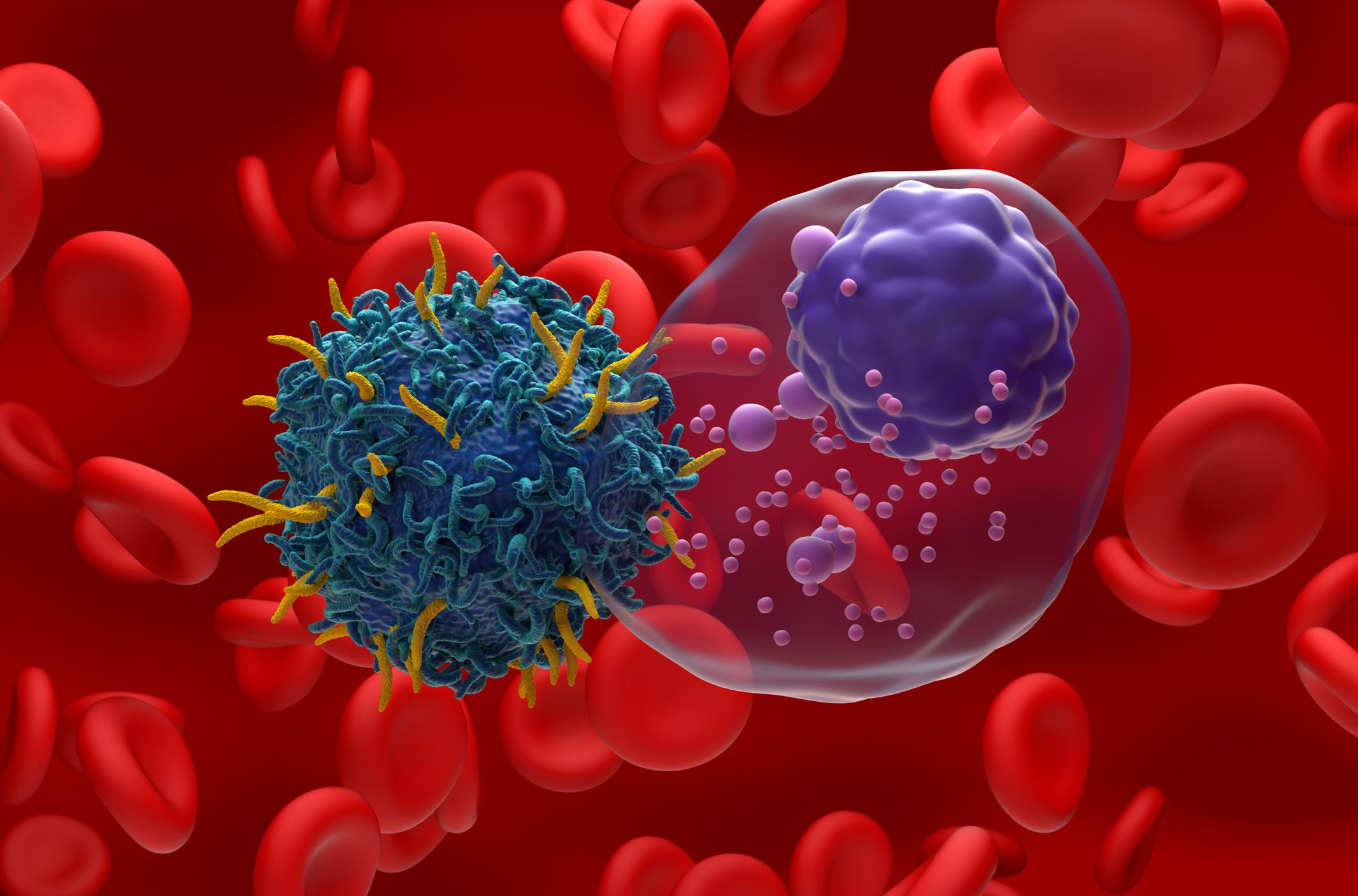
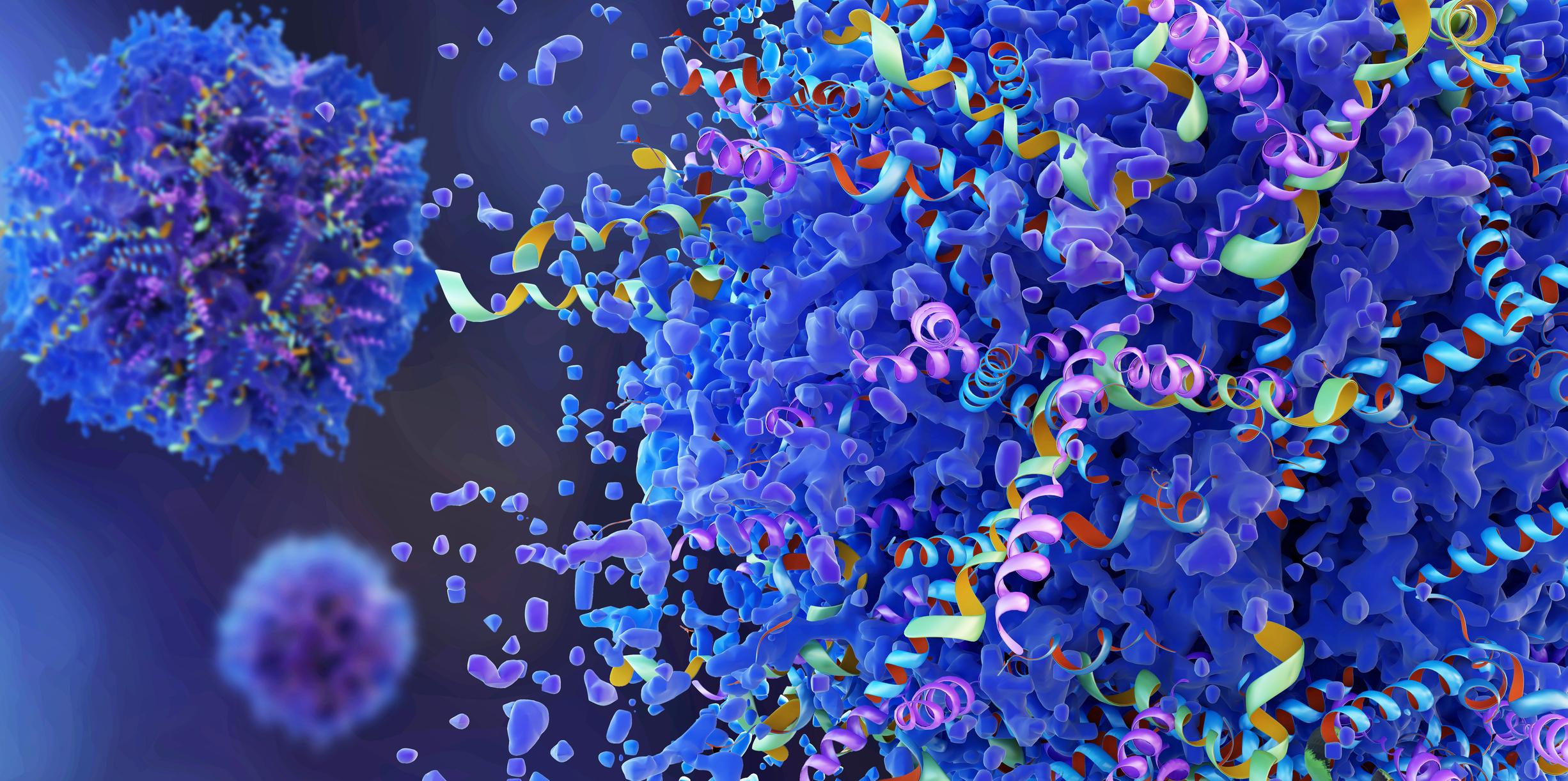
Protein misfolding and aggregation have long been recognized as defining features of many neurodegenerative diseases, but they are increasingly being approached as actionable therapeutic targets rather than downstream pathological markers alone. Across Alzheimer’s disease (AD), Parkinson’s disease (PD), amyotrophic lateral sclerosis (ALS), and related disorders, disease-associated proteins can adopt abnormal conformations, accumulate into toxic species, seed further aggregation, disrupt cellular function, and overwhelm the systems that normally preserve protein homeostasis.1
That shift in understanding has expanded the range of therapeutic strategies under investigation. Instead of treating aggregation as a single event to be reversed, developers are targeting multiple points across the protein life cycle, including protein synthesis, folding, trafficking, degradation, extracellular clearance, and cell-to-cell propagation of pathological species. The underlying logic is broad but not generic: reducing production of a pathogenic protein, improving the handling of misfolded species, promoting clearance, or blocking propagation may each be useful in the appropriate biological context.
The diversity of approaches reflects the complexity of neurodegenerative proteinopathies. Misfolded proteins are not simply inert, nonfunctional molecules. They can participate in toxic gain-of-function mechanisms, impair proteostasis networks, interfere with intracellular trafficking and organelle function, provoke inflammatory responses, and, in some cases, contribute to disease spread through seed-dependent templating and propagation.1,2 The therapeutic challenge is therefore not only to remove visible aggregates but to understand which protein species matter most, where they act, when they become pathogenic, and how they can be modified without causing unacceptable risk.
The recent clinical landscape has sharpened that challenge. Amyloid beta–directed antibodies in AD and SOD1-lowering therapy in SOD1-mutated ALS have shown that protein-targeted strategies can achieve regulatory and clinical progress in defined settings.3–5 At the same time, clinical trials targeting tau, alpha-synuclein, broad amyloid structures, and proteostasis pathways have shown that biological rationale and target engagement do not guarantee meaningful clinical benefit.6–10
The field is therefore moving toward a more precise model of therapeutic intervention. Protein aggregation remains central, but the most important development questions are increasingly specific: Which species is toxic? Is the target intracellular or extracellular? Is pathology already too advanced? Is there a biomarker that confirms target engagement and links it to disease modification? Can the therapeutic modality reach the relevant compartment at sufficient exposure? Those questions now define the next phase of drug development for neurodegenerative diseases driven by toxic protein accumulation.
Why Aggregation Is Difficult to Drug
Protein aggregation is difficult to target because it reflects a broader failure of protein homeostasis rather than a discrete molecular abnormality. Cells rely on coordinated quality-control systems to manage protein synthesis, folding, localization, degradation, and clearance. When proteins misfold, those systems can refold them, degrade them, sequester them, or otherwise limit their toxicity. In neurodegenerative diseases, however, persistent misfolding and aggregation can strain or disrupt those protective pathways, contributing to progressive cellular dysfunction.1
The ubiquitin–proteasome system, chaperone-mediated autophagy, and macroautophagy are among the major pathways that remove misfolded proteins from cells.11 These systems are attractive therapeutic targets because they address the proteostasis imbalance that allows toxic proteins to accumulate. They are also difficult to modulate safely. Broadly increasing protein degradation, altering autophagy, or amplifying stress-response pathways could affect many proteins beyond the pathogenic species of interest. A successful approach must therefore enhance the right clearance mechanism without creating new forms of cellular stress or interfering with essential protein functions.
Compartment matters as much as mechanism. Amyloid beta is primarily targeted extracellularly in AD, while tau, alpha-synuclein, SOD1, and TDP-43 each involve different balances of intracellular pathology, extracellular spread, mislocalization, aggregate formation, and cellular vulnerability. Extracellular proteostasis has emerged as a distinct area of interest because extracellular chaperones and clearance mechanisms may help neutralize aggregate toxicity and promote disposal of misfolded proteins outside cells.12 Intracellular targets raise different problems, including cell entry, intracellular exposure, nuclear or cytoplasmic localization, and the need to modify protein behavior without disrupting normal function.
The heterogeneity of disease-associated proteins also limits simple extrapolation across disorders. TDP-43 pathology in ALS involves nuclear-to-cytoplasmic mislocalization, ubiquitination, hyperphosphorylation, truncation, and aggregation into inclusion bodies.13 Evidence also supports seed-dependent, self-templating transfer of pathological TDP-43 aggregates, aligning it with broader interest in prion-like propagation in neurodegeneration.2 Those observations make TDP-43 an important therapeutic target, but they do not automatically identify the best intervention point. A therapy could aim to prevent mislocalization, reduce aggregation, block propagation, restore nuclear function, enhance clearance, or protect cells from downstream toxicity.
The same caution applies across the field. Amyloid beta, tau, alpha-synuclein, SOD1, and TDP-43 all participate in proteinopathy, but they differ in genetics, disease association, localization, toxic species, and therapeutic accessibility. Aggregates visible in tissue may not be the most toxic species, and clearance of one protein state may not reverse established downstream damage. Disease stage is therefore central. A therapy that reduces pathogenic protein burden may have limited clinical impact if neurodegeneration has progressed beyond a reversible window.
This complexity helps explain why clinical translation has been uneven. Protein pathology provides strong therapeutic logic, but drug development must convert that logic into a precise intervention: the right target species, the right disease population, the right timing, the right exposure, and the right biomarker evidence.
Clinical Proof Points: SOD1 Lowering and Amyloid Clearance
The clearest recent proof points for protein-targeted therapy come from two different strategies: reducing production of a pathogenic protein in genetically defined ALS and clearing amyloid beta pathology in early AD.
In SOD1-mutated ALS, tofersen provides a direct example of targeting the production of a disease-associated protein. The U.S. Food and Drug Administration (FDA) approved Qalsody, also known as tofersen, for ALS associated with a mutation in the SOD1 gene.5 The therapy is an antisense oligonucleotide (ASO) designed to target SOD1 messenger RNA and reduce synthesis of SOD1 protein. That mechanism addresses protein accumulation upstream by lowering the amount of protein available to misfold and aggregate.
The clinical evidence illustrates both the promise and the complexity of this approach. In the pivotal trial, tofersen reduced cerebrospinal fluid (CSF) SOD1 and plasma neurofilament light, a biomarker associated with axonal injury and neurodegeneration, over 28 weeks, but it did not improve the primary clinical endpoint during that initial 28-week period.14 The FDA granted accelerated approval based on the reduction in plasma neurofilament light.5 The case demonstrates how protein lowering, genetic definition, and biomarker evidence can align, while also showing that clinical endpoints in rapidly progressive neurodegenerative diseases may require careful timing and interpretation.
Amyloid beta–directed antibodies in AD represent a different model: extracellular aggregate clearance rather than production suppression. The FDA converted Leqembi, also known as lecanemab-irmb, to traditional approval in July 2023, after determining that a confirmatory trial verified clinical benefit.3 The FDA describes Leqembi as the first amyloid beta-directed antibody converted from accelerated approval to traditional approval for AD. Lecanemab reduced markers of amyloid and resulted in moderately less decline in cognition and function than placebo at 18 months while also being associated with adverse events.15
Donanemab reinforces the same broad therapeutic concept while adding further evidence for biomarker-defined treatment in early disease. The FDA approved Kisunla, also known as donanemab-azbt, for AD in July 2024.4 The FDA states that treatment should be initiated in patients with mild cognitive impairment or mild dementia stage disease, matching the population studied in clinical trials. In early symptomatic AD with amyloid and tau pathology, donanemab significantly slowed clinical progression compared with placebo.16
These approvals are important because they show that targeting protein pathology can produce clinical and regulatory success. They also define the boundaries of that success. Amyloid-directed therapy depends on early diagnosis, confirmation of underlying pathology, careful patient selection, repeated administration, and safety monitoring. SOD1-lowering therapy depends on a genetically defined population, central nervous system (CNS) delivery, and biomarker interpretation. Neither example supports the idea that aggregate removal alone is sufficient across neurodegenerative diseases. Instead, both show that protein-targeted therapies work best when the target, patient population, disease stage, and biomarker strategy are tightly aligned.
For drug developers, that alignment may be the most important lesson. The successful cases are not broad anti-aggregation therapies. They are targeted interventions built around a defined protein, a defined disease context, and a measurable biological effect. That level of specificity is likely to shape the next generation of neurodegenerative disease programs.
Clinical Friction Points: Tau, Alpha-Synuclein, Aggregate Neutralization, and Proteostasis Modulation
The field’s more challenging clinical experiences are equally informative. Tau, alpha-synuclein, broad aggregate-targeting approaches, and proteostasis-modulating therapies have all attracted strong scientific interest, but several clinical programs have not yet converted that rationale into clear disease modification.
Alpha-synuclein has been a major target in PD because aggregated alpha-synuclein is linked to disease pathology and propagation biology. Prasinezumab, an alpha-synuclein–targeting antibody, was evaluated in early-stage PD but did not show a meaningful effect on global or imaging measures of disease progression compared with placebo in the phase II trial.6 Cinpanemab, a monoclonal antibody (mAb) that binds alpha-synuclein, was also evaluated as a disease-modifying treatment in early PD.7 In that phase II trial, clinical measures of disease progression and dopamine transporter imaging changes did not differ from placebo over 52 weeks.
Tau-targeting programs have faced similar challenges. Gosuranemab, an anti–N-terminal tau mAb, was designed to slow tauopathy progression by preventing uptake and neuronal transmission of pathological tau. In the TANGO study, 654 participants were randomized, and the therapy reduced unbound N-terminal tau in CSF, indicating extracellular target engagement.8 However, gosuranemab did not show significant cognitive or functional benefit on the Clinical Dementia Rating-Sum of Boxes at week 78 and did not reduce pathological tau accumulation as measured by tau positron emission tomography.8
Those results point to a key development problem: binding or reducing a measurable target species may not be enough if the targeted species is not the main driver of clinical decline, if the therapy reaches the wrong compartment, or if treatment begins after downstream pathology has become self-sustaining. Tau and alpha-synuclein biology remain compelling, but clinical results have made it harder to assume that interrupting extracellular propagation alone will alter the course of disease.
Broader aggregate-targeting strategies have also produced sobering results. NPT088, a phage-derived amyloid-targeted fusion protein, was evaluated in patients with mild-to-moderate AD.9 The study found that NPT088 was generally safe and well tolerated, but it observed no effect on brain plaques, tau aggregates, or AD symptoms. This example illustrates the difficulty of translating aggregate-binding concepts into measurable changes in disease biology and clinical outcomes.
Proteostasis modulation offers another route, but clinical translation remains challenging. Arimoclomol was designed to amplify heat-shock protein responses that promote folding or degradation of misfolded proteins. In ORARIALS-01, a phase III trial in early ALS, arimoclomol did not improve efficacy outcomes compared with placebo.10 The trial does not eliminate heat-shock or chaperone biology as therapeutic concepts, but it shows how difficult it can be to turn broad proteostasis enhancement into a clinically effective intervention.
These programs reveal recurring barriers. The first is target selection. A disease-associated aggregate may be pathologically important without being the optimal therapeutic target. The second is compartmental access. Antibodies may engage extracellular proteins but struggle to affect intracellular pathology. The third is timing. A therapy that blocks propagation or enhances clearance may need to be administered before irreversible neuronal loss or network dysfunction has occurred. The fourth is biomarker interpretation. Target engagement can confirm that a drug is doing something biologically relevant, but it does not prove that the mechanism is sufficient to change disease trajectory.
The negative and mixed trials should not be viewed as failures of the proteinopathy concept. Instead, they refine the field’s understanding of what must be demonstrated. Future therapies will need to show not only that they bind, lower, or clear a disease-associated protein, but that the specific intervention modifies the toxic species and disease process most closely tied to clinical progression.
From Aggregate Removal to Precision Proteostasis
The next phase of protein-targeted neurodegenerative disease therapy is likely to be defined by precision rather than by broader anti-aggregation activity. The central goal is shifting from removing aggregates in general to identifying and modifying the toxic protein species that drive disease in specific patient populations and disease stages.
That evolution places biomarker-enabled development at the center of the field. Amyloid-directed AD therapies rely on confirmation of underlying pathology and treatment of early disease populations.3,4 Tofersen illustrates how molecular and neurodegeneration biomarkers can support a protein-lowering strategy in a genetically defined disease, even when short-term clinical endpoints are difficult to interpret.5,14 Future programs will need similarly strong links between target engagement, disease biology, and clinical endpoints.
Therapeutic modality will also shape development strategy. mAbs can target extracellular protein species and support selective binding, but they require CNS exposure, repeated dosing, and safety monitoring. ASOs can reduce production of pathogenic proteins, but they require delivery strategies suited to CNS targets. Small molecules and peptides may offer intracellular access or modulation of folding, aggregation, and clearance pathways, but they must achieve sufficient specificity to avoid broad disruption of protein homeostasis. Fusion proteins and other engineered biologics may create additional ways to recognize aggregate structures or promote clearance, but they must still demonstrate that aggregate engagement changes disease biology in patients.
Those modality differences have practical implications for development and manufacturing. Protein-targeted neurodegenerative disease programs may require specialized analytical methods to characterize aggregation, conformational state, target binding, potency, stability, and comparability. Biologics programs must preserve molecular integrity while minimizing unwanted aggregation during development, manufacturing, storage, and administration. Oligonucleotide programs require tight control of sequence, purity, delivery, and formulation attributes. Small molecule and peptide approaches may require assays capable of distinguishing effects on folding, aggregation kinetics, proteostasis pathways, and downstream cellular toxicity.
The clinical-development burden is equally significant. Many neurodegenerative diseases progress slowly, heterogeneously, or unpredictably, which places pressure on patient selection, endpoint design, biomarker qualification, and trial duration. The failures and mixed outcomes in tau, alpha-synuclein, NPT088, and arimoclomol programs underscore that a plausible mechanism does not remove the need for rigorous translational evidence.6–10 Sponsors will need development plans that connect molecular mechanism to patient biology as early as possible.
For contract development and manufacturing organizations (CDMOs) and development partners, this creates an opportunity to support more than production capacity. Neurodegenerative disease therapies aimed at misfolding and aggregation require integrated capabilities across modality-specific manufacturing, analytical development, formulation, stability, biomarker-linked development, and clinical supply. The development partner that understands aggregation only as a formulation liability will miss part of the opportunity. In this field, aggregation can be the disease mechanism, the therapeutic target, the analytical challenge, and the manufacturing risk at the same time.
The broader direction is clear. Protein misfolding and aggregation are validated therapeutic axes, but the field is becoming more selective about how those axes are pursued. Amyloid beta clearance and SOD1 lowering show that protein-targeted approaches can succeed when biology, biomarkers, patient selection, and modality are aligned. Tau, alpha-synuclein, broad aggregate-neutralizing strategies, and proteostasis modulation show that the same logic cannot be applied indiscriminately.
Future progress will depend on moving earlier in disease, identifying the most relevant toxic species, improving CNS delivery, refining biomarkers, and building development strategies that match each therapeutic modality to the biology it is designed to alter. The goal is no longer simply to clear what has accumulated. It is to intervene precisely enough in protein homeostasis to slow or prevent the accumulation of toxicity before neurodegeneration becomes irreversible.
References
Sweeney, Patrick, et al. “Protein Misfolding in Neurodegenerative Diseases: Implications and Strategies.” Translational Neurodegeneration. 6: 6 (2017).
Jo, Myungjin, et al. “The Role of TDP-43 Propagation in Neurodegenerative Diseases: Integrating Insights from Clinical and Experimental Studies.” Experimental & Molecular Medicine. 52: 1652–1662 (2020).
FDA Converts Novel Alzheimer’s Disease Treatment to Traditional Approval. U.S. Food and Drug Administration. 6 Jul. 2023.
FDA Approves Treatment for Adults with Alzheimer’s Disease. U.S. Food and Drug Administration. 2 Jul. 2024.
FDA Approves Treatment of Amyotrophic Lateral Sclerosis Associated with a Mutation in the SOD1 Gene. U.S. Food and Drug Administration. 25 Apr. 2023.
Pagano, Gennaro, et al. “Trial of Prasinezumab in Early-Stage Parkinson’s Disease.” New England Journal of Medicine. 387: 421–432 (2022).
Lang, Anthony E, et al. “Trial of Cinpanemab in Early Parkinson’s Disease.” New England Journal of Medicine. 387: 408–420 (2022).
Shulman, Melanie, et al. “TANGO: A Placebo-Controlled Randomized Phase 2 Study of Efficacy and Safety of the Anti-Tau Monoclonal Antibody Gosuranemab in Early Alzheimer’s Disease.” Nature Aging. 3: 1591–1601 (2023).
Michelson, David, et al. “Randomized, Placebo Controlled Trial of NPT088, A Phage-Derived, Amyloid-Targeted Treatment for Alzheimer’s Disease.” Journal of Prevention of Alzheimer’s Disease. 6: 228–231 (2019).
Benatar, Michael, et al. “Safety and Efficacy of Arimoclomol in Patients with Early Amyotrophic Lateral Sclerosis (ORARIALS-01): A Randomised, Double-Blind, Placebo-Controlled, Multicentre, Phase 3 Trial.” Lancet Neurology. 23: 687–699 (2024).
Ciechanover, Aaron, and Yong Tae Kwon. “Degradation of Misfolded Proteins in Neurodegenerative Diseases: Therapeutic Targets and Strategies.” Experimental & Molecular Medicine. 47: e147 (2015).
Wilson, Mark R, Sandeep Satapathy, and Michele Vendruscolo. “Extracellular Protein Homeostasis in Neurodegenerative Diseases.” Nature Reviews Neurology. 19: 235–245 (2023).
Prasad, Archana, et al. “Molecular Mechanisms of TDP-43 Misfolding and Pathology in Amyotrophic Lateral Sclerosis.” Frontiers in Molecular Neuroscience. 12: 25 (2019).
Miller, Timothy M, et al. “Trial of Antisense Oligonucleotide Tofersen for SOD1 ALS.” New England Journal of Medicine. 387: 1099–1110 (2022).
van Dyck, Christopher H, et al. “Lecanemab in Early Alzheimer’s Disease.” New England Journal of Medicine. 388: 9–21 (2023).
Sims, John R, et al. “Donanemab in Early Symptomatic Alzheimer Disease: The TRAILBLAZER-ALZ 2 Randomized Clinical Trial.” JAMA. 330: 512–527 (2023).