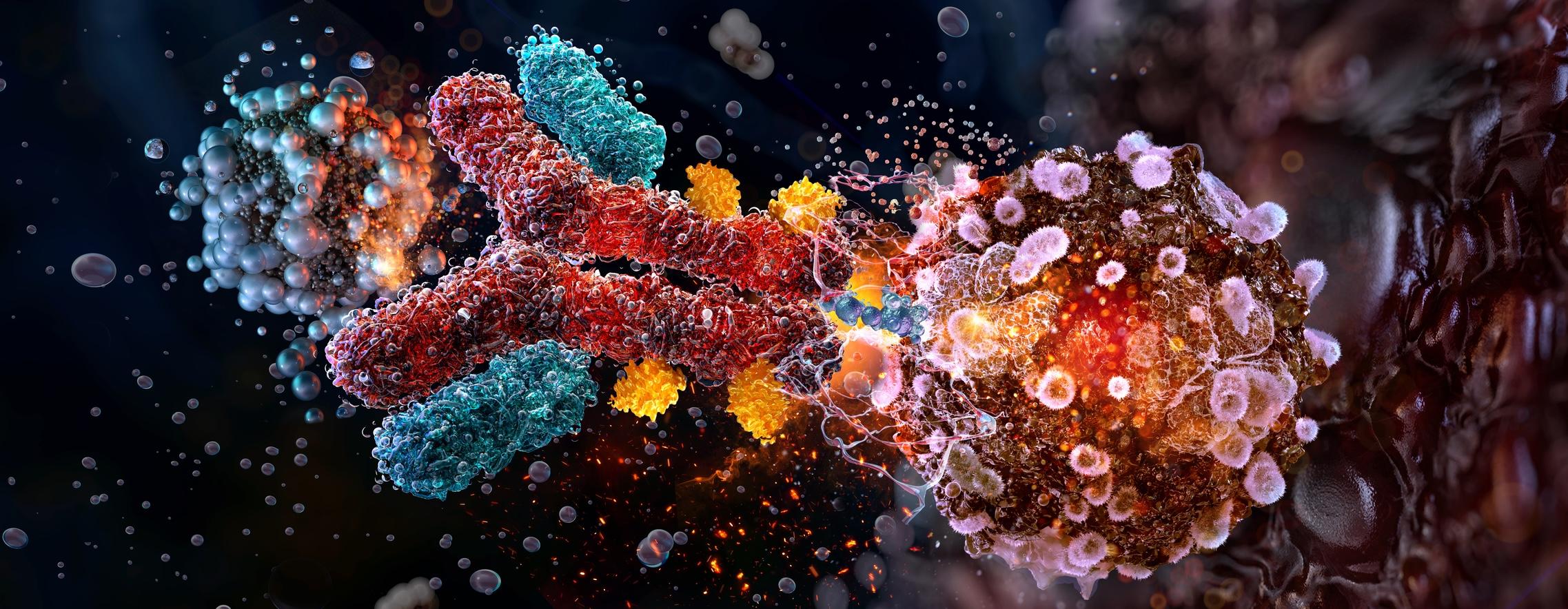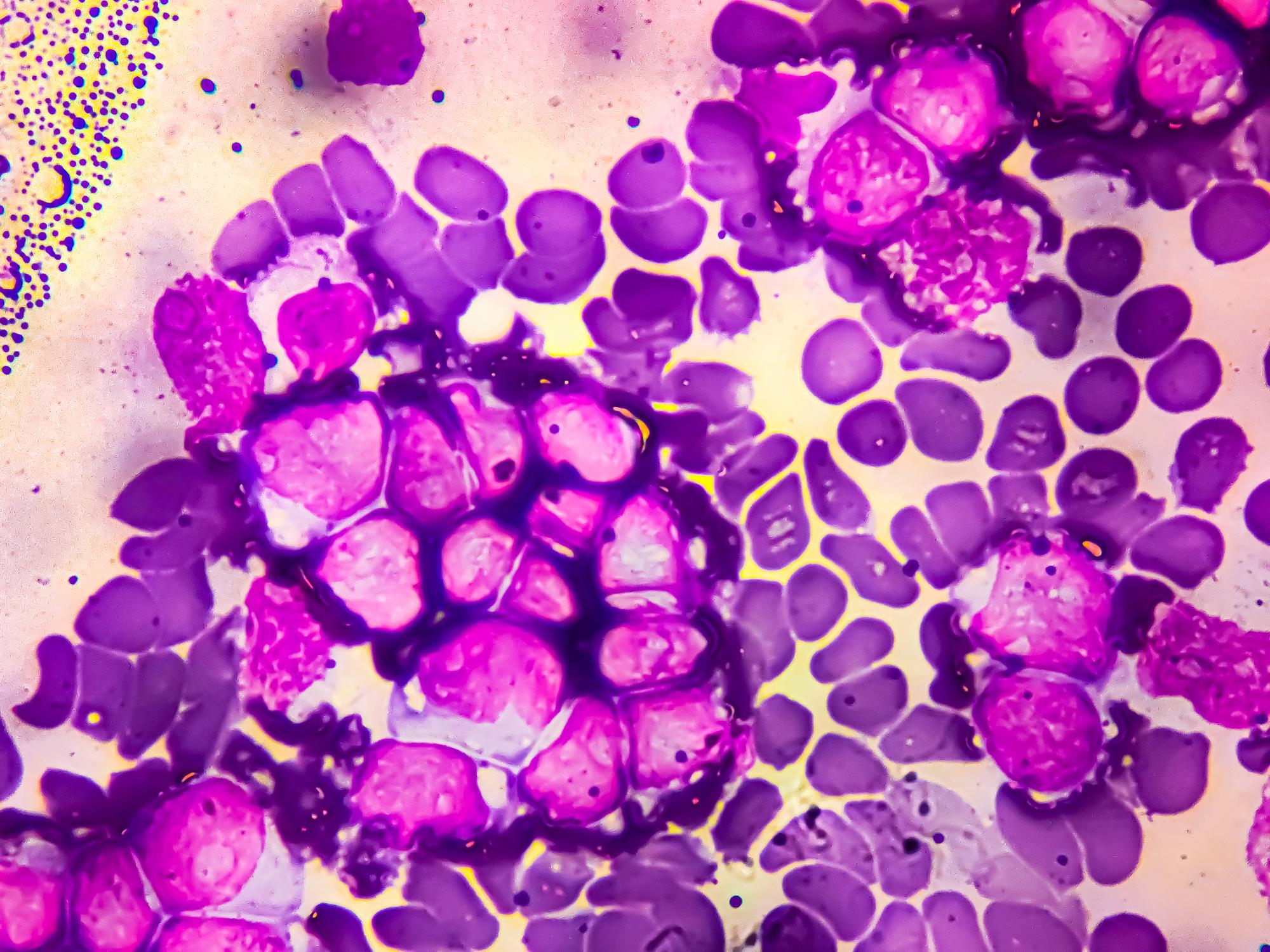
Oncolytic viruses have long held promise as a means to directly attack tumors while activating the immune system, but translating that promise into consistent clinical success has thus far proven challenging. Genelux is seeking to change that narrative with Olvi-Vec, an investigational oncolytic vaccinia virus therapy currently in phase III development for advanced ovarian cancer. In this interview with Pharma’s Almanac editor David Alvaro, Ph.D., Jason Litten, M.D., Chief Medical Officer of Genelux, discusses the scientific rationale behind Olvi-Vec, the evolving role of viral immunotherapies in combination treatment strategies, and why the company believes the field may be approaching a turning point for oncolytic viruses.
David Alvaro (DA): How does platinum therapy shape the treatment landscape in ovarian cancer, and where do the biggest unmet needs emerge once it stops working?
Jason Litten (JL): The good news overall is that there have been some new approvals that are really going to help women with this disease. Those have generally been novel agents, often biomarker-selected, used in the second- and third-line setting.
The reason those approvals sit where they do is that platinum still does such a good job in frontline disease for so many patients. Even in an advanced setting, the majority of patients are still going to respond to and derive meaningful benefit from platinum-based therapy. That is not likely to be superseded anytime soon.
The novel agents come into play when platinum stops working or when the cancer comes back, especially if it comes back quickly. If there was an initial benefit from platinum and the cancer stays in remission for several months, or in many cases years, there is often an opportunity to go back to platinum, and it often works again. Some patients do very well with platinum, while others have disease that just goes right through it. They have very different trajectories.
Once platinum stops working, you can consider some of these newer approved agents, and we are seeing that they can deliver meaningful benefit for women with advanced ovarian cancer. However, once those drugs are no longer an option — because a patient develops resistance, does not have the relevant biomarker, or the disease continues to progress — the treatment options become very limited.
DA: For readers who may be less familiar with oncolytic virus therapies, can you explain how Olvi-Vec is distinct from other kinds of cancer immunotherapy?
JL: Olvi-Vec is based on the vaccinia virus, a non-human pathogen, which has been used in humans for a very long time. It’s the virus that was used in the global campaign to eradicate smallpox, so we know it can induce a strong immune response and, importantly, that it can be used very safely. Millions of people have been exposed to vaccinia through vaccination programs.
With that background, the early work at Genelux focused on genetically modifying vaccinia so that it would preferentially kill cancer cells. Over time, the team developed a large library of engineered constructs, approaching 500 different versions of the virus, and Olvi-Vec ultimately emerged as the lead candidate.
The key genetic modification in Olvi-Vec is a knockout of the gene that encodes thymidine kinase. That change means that the virus can selectively replicate in cells that are rich in thymidine, which provides the nucleotides the virus needs for replication. Cancer cells, because they are highly metabolic and rapidly dividing, tend to be thymidine-rich. Most normal cells in the body are not.
That becomes a limiting factor for the vaccinia life cycle. The virus can replicate efficiently in tumor cells but much less effectively in normal tissue. Viral replication continues until the cancer cell ruptures and dies, releasing the replicated virus particles, which can then infect other tumor cells. In practical terms, that creates a window where the virus can selectively kill cancer cells.
DA: Beyond directly killing tumor cells, does Olvi-Vec help re-engage the immune system in tumors that have effectively gone “cold”?
JL: Throughout my career in cell therapy, especially working on solid tumors, one of the recurring questions has been: how do we make a cold tumor hot? How do we make it visible to the immune system?
For a long time, we really didn’t have good tools to do that. Clinically and biologically, a cold tumor is kind of like a rock: it’s very hard to get the immune system to recognize or engage with it.
What’s interesting about an oncolytic virus like Olvi-Vec is that it may help break through that barrier. When the virus infects and destroys tumor cells, it does so in a very inflammatory way. This isn’t apoptosis, which is a relatively quiet form of cell death. Instead, it’s more like a rupture that releases a large amount of tumor material into the environment.
That process exposes tumor antigens (and potentially neoantigens) that the immune system may not have seen before. Suddenly, those antigens are being presented in a highly inflammatory context, which can help trigger an immune response.
One of the ways we’re beginning to understand that process is by looking at T cell clonality. After infection with Olvi-Vec, we can ask whether new populations of T cells are emerging; whether we’re seeing expansion of immune cells that appear to be responding to tumor antigens that were previously invisible to the immune system.
That’s really the holy grail in solid tumor immunotherapy: finding ways to turn those cold tumors hot and re-engage the immune system in a meaningful way.
DA: You came to Genelux after years of working on cell and gene therapy approaches for solid tumors. What convinced you that this was the right platform, and the right moment, to join the company?
JL: I’m a pediatric oncologist by training, and I’ve spent about 20 years in oncology drug development working across a range of approaches to treat solid tumors. Early in my career at Amgen and Clovis Oncology, I worked on biologics and small molecules, and later at Juno Therapeutics I moved into cell therapy, which is where I really caught the immuno-oncology bug.
At the time, we were seeing the remarkable success of CAR-T therapy in CD19+ B cell malignancies, and the challenge was essentially, “Great. Now go do that in solid tumors.” Ten years later, we’ve learned a lot, but one theme comes up again and again: how do we make cold tumors hot? How do we make them visible to the immune system?
After spending about a decade trying to solve that problem through cell and gene therapy approaches, I started talking with the leadership team at Genelux about what they were seeing with Olvi-Vec in ovarian cancer patients. The phase II data were very compelling, but what really stood out was that many of the patients who benefited had refractory disease: their tumors had progressed straight through platinum therapy.
And yet those same patients were now showing new responses when platinum was reintroduced after treatment with Olvi-Vec. That suggested we might be changing the biology of the tumor environment in a way that allowed those therapies to work again. It started to feel like we might finally have a tool that could help achieve that goal of turning cold tumors hot.
At the same time, the company already had a randomized, blinded phase III study underway. For most of my career, I’ve worked on early-stage assets in phase I or II, so the chance to help demonstrate the benefit of a novel immunotherapy in a phase III setting, which could potentially reach patients much more broadly, was a very unique opportunity. That combination of compelling biology, encouraging clinical signal, and a pivotal trial already in progress ultimately convinced me to join.
DA: What did the earlier clinical data suggest about Olvi-Vec’s potential, and how did those findings shape the phase III program now underway?
JL: What was particularly compelling in the earlier data was that about half of the patients who did well with Olvi-Vec actually had refractory disease: their tumors had progressed straight through platinum therapy. These are patients you would normally expect to derive very little benefit from additional treatment.
What we were seeing in the phase II data was that many of those patients responded again when platinum was reintroduced after treatment with Olvi-Vec. That raised the possibility that we might be transforming the biology of the tumor environment in a way that allowed therapies that previously weren’t working to work again.
Another important aspect of the phase II study was that it enrolled a population of patients without regard to biomarker status. Many of the recently approved agents in ovarian cancer are targeted to relatively narrow biomarker-defined groups, and while they can provide meaningful benefit, the populations they serve are limited. In contrast, the phase II study of Olvi-Vec included a broad group of patients, and nearly half had refractory disease.
In some cases, those were the patients who appeared to derive the most benefit. It didn’t seem to matter whether a patient had two or three prior lines of therapy or seven or eight; the degree of benefit looked very similar across those groups.
What that suggested to us was that we may have a therapy that is well tolerated and capable of changing the tumor biology in a meaningful way, potentially restoring sensitivity to treatments like platinum that had stopped working.
That’s what ultimately informed the phase III program. Our real opportunity now is to demonstrate that benefit in a randomized setting for patients with late-line ovarian cancer. The study is blinded, so we do not have data to share at this time, but there is a lot of enthusiasm among our investigators about the immunotherapy hypothesis and the future possibility of adding Olvi-Vec to the treatment arsenal for ovarian cancer patients.
And from patients as well, we hear a lot of excitement about the opportunity to participate in what could become another immuno-oncology success story.
Ultimately, the data will tell the story. When the progression-free survival events mature and the trial reads out, we’ll know whether the promise we saw earlier translates into a definitive clinical benefit.
DA: Do you think we are approaching a turning point for oncolytic viruses more broadly?
JL: I do think we may be, and there are a couple of reasons for that.
When I first started working on immuno-oncology in solid tumors, there was a lot of optimism that there would be a single solution for each cancer type. The thinking was that you’d eventually develop the perfect construct — one engineered therapy that could eradicate colon cancer, another that could eradicate pancreatic cancer — and it would be more or less one-and-done.
Ten years later, what’s becoming increasingly clear is that it’s probably not going to work that way. A single engineered T cell or a single modality isn’t likely to solve the problem on its own. Instead, we’re going to need the right combinations of different therapeutic approaches working together to deliver deep and durable responses, especially in solid tumors.
You can see that shift happening across the field. If you look at meetings like the Society for Immunotherapy of Cancer (SITC), which used to be dominated by CAR-T cell discussions, you now see a much broader range of platforms getting attention. That reflects a growing recognition that we need multiple complementary tools in immuno-oncology.
Another piece of the puzzle, and something that is often overlooked, is the continued importance of chemotherapy. There’s been a lot of effort to move away from chemotherapy, but the reality is that it may remain a very important component of how we generate effective immune responses. In our case, what we’ve seen is that platinum chemotherapy appears to work well as an adjuvant or synergistic partner with Olvi-Vec.
I think those trends are creating an environment where approaches like oncolytic viruses are getting a fresh look. This could be an important moment for the field to demonstrate that these therapies can deliver meaningful results and potentially emerge as another pillar within immuno-oncology.
Broadly speaking, when other companies in the space generate good data, we see that as a positive development for everyone. A rising tide lifts all boats. If the field demonstrates success, it helps validate the entire approach.
DA: Are you now viewing Olvi-Vec not just as a single program in ovarian cancer but as a platform that could potentially be combined with other therapies and expanded into other settings?
JL: In the near term, our focus is really on delivering on the promise of platinum resensitization.
If we can demonstrate that in late-line ovarian cancer, where platinum is still part of the treatment landscape, it opens up some very obvious next steps. One of those is moving earlier in the disease course. In frontline ovarian cancer, essentially all patients receive platinum-based chemotherapy and often undergo surgical procedures that make intraperitoneal administration feasible. There’s a very natural opportunity to explore whether Olvi-Vec could add benefit earlier in treatment.
Beyond ovarian cancer, any setting where platinum chemotherapy is used becomes an obvious place to think about expansion. That creates a range of potential opportunities.
In parallel, we’re also advancing our lung cancer program, which involves systemic administration of Olvi-Vec. If we can show that the therapy can be delivered systemically and combined safely with platinum chemotherapy, that opens up another important path forward.
At the same time, we’re beginning to explore additional combinations. One question is whether other chemotherapy backbones might make sense. Another is how Olvi-Vec might work alongside other immuno-oncology agents.
In lung cancer, we’re evaluating combinations that reflect how the disease is increasingly treated today. Platinum chemotherapy remains a core component, but in many biomarker-selected patients, platinum is now combined with immune checkpoint inhibitors. That creates an opportunity to look at a triple-modality strategy — chemotherapy, checkpoint inhibition, and an oncolytic virus — to try to deliver deeper and more durable responses.
We’ve launched a multicenter study in the United States in non–small cell lung cancer, and our partner in China is conducting a study in small cell lung cancer using a similar design.
Ultimately, the goal would be to integrate Olvi-Vec more seamlessly into frontline therapy. That means helping patients who might not initially benefit from standard treatment move into the group that does derive meaningful benefit rather than waiting until resistance develops later.
There are a lot of directions we could potentially go. We’ll have to be very thoughtful about where we place our bets and which opportunities we prioritize first.
DA: If Olvi-Vec succeeds, what will that mean not only for patients with advanced ovarian cancer but for oncolytic immunotherapy more broadly?
JL: At the most immediate level, it would mean bringing hope to a group of patients that is still very underserved.
One of the things that excites me most about Olvi-Vec is that it’s an off-the-shelf therapy. It doesn’t require a biomarker, which can be really important in advanced ovarian cancer where patients may not have time to go through additional testing or complex treatment selection processes. It can be administered intraperitoneally, which is well suited to how the disease spreads within the abdomen, and we’ve already seen encouraging signs of activity in this patient population.
If we can successfully deliver that benefit, it could provide a new option for patients who currently have very limited alternatives.
Beyond ovarian cancer, though, the opportunity becomes much broader. We’re very interested in exploring how Olvi-Vec could move earlier in the course of disease, as well as how it might be applied to other indications.
And as we discussed earlier, systemic administration opens up an even wider set of possibilities. If we can demonstrate that approach works safely and effectively, it could allow the therapy to be used across multiple tumor types and treatment settings.
More broadly for the field, I think this could be an important moment for oncolytic viruses. If therapies like Olvi-Vec are able to show strong clinical outcomes, it would help reinforce the idea that targeted viral immunotherapy can be an impactful tool in oncology.
Ultimately, the hope is that these approaches could emerge as another pillar of immuno-oncology, alongside checkpoint inhibitors, cellular therapies, and other immune-based treatments.