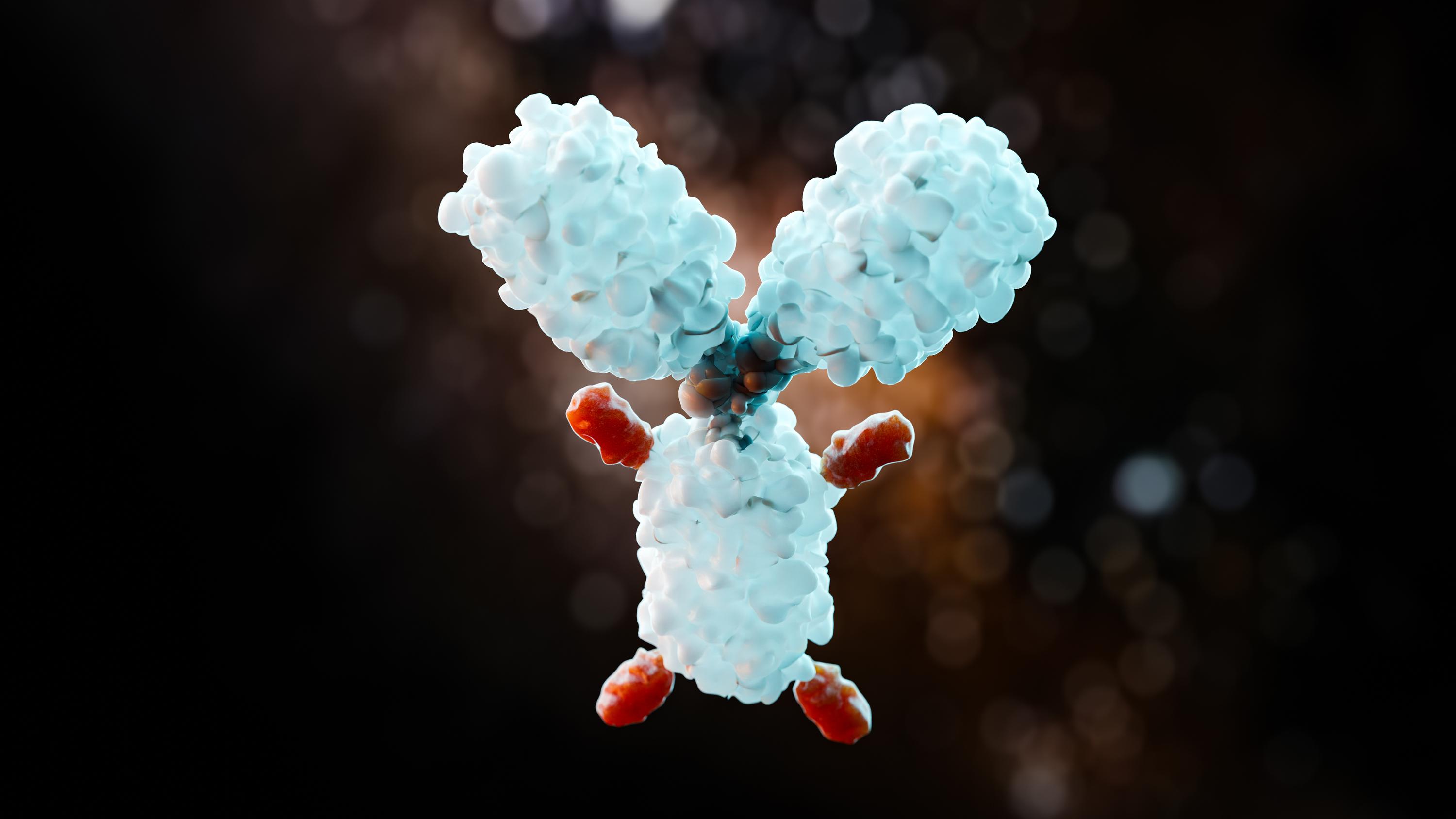
Current antibody–drug conjugates (ADCs) show promising clinical results but suffer from on- and off-target toxicities. More controlled conjugation techniques, novel payloads with new mechanisms of action, different linker chemistries, and new approaches to antibody engineering are all being used to achieve improved safety and efficacy. Promising early preclinical and clinical results for growing numbers of ADC candidates leveraging these new strategies and technologies are driving significant investment, M&A, and licensing activities and creating high expectations for market growth.
Technology Advances Driving ADC Market Growth
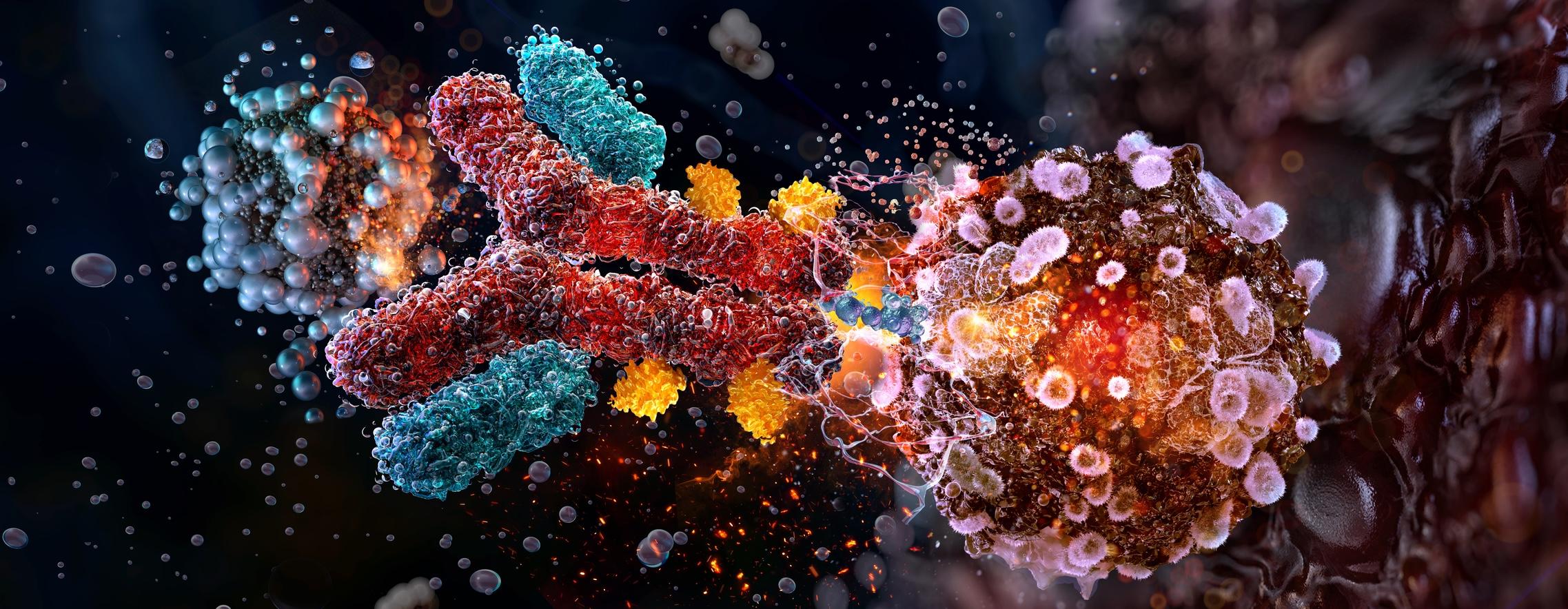
Antibody–drug conjugates (ADCs) leverage the binding specificity of antibodies to target the delivery of active drug substances — cytosis agents in approved products to date — to specific cells and tissues. Following the first ADC approval in 2000 for gemtuzumab ozogamicin, a decade passed before additional candidates reached the market. Advances in antibody engineering, linker chemistry, payload designs, and conjugation techniques have resulted in more successful second and third-generation ADCs and increasing numbers of approvals in the last several years.
First-generation ADCs comprised conventional chemotherapeutic payloads linked to murine mAbs in a non-site-specific manner and in a non-cleavable manner. These candidates suffered from premature payload release, aggregation due to significant heterogeneity, and immunogenicity, which led to poor efficacy and safety. Second-generation ADCs leverage humanized or fully human mAbs, more potent payloads, more stable linkers, and increased control of payload distribution on the antibody, but still suffer from off-target toxicity and rapid clearance. Third-generation ADCs benefit from site-specific conjugation, newer classes of payloads, and cleavable linkers, all of which contribute to greater stability and more targeted delivery and thus improved safety and efficacy.
As of mid-2025, at least 19 ADCs have received marketing authorization across global pharmaceutical markets,1 with at least 15 garnering approvals from the U.S. Food and Drug Administration (FDA).2 These successes have come despite a high failure rate for many ADC candidates. Losses due to candidate withdrawals and program discontinuations have been conservatively estimated to surpass $13.4 billion, with many attributed to the use of known linker–payload combinations rather than data-driven approaches that consider the specific needs of each disease target and pathways involved.3,4 In total, more than 80 ADC projects have been discontinued, and additional projects remain on hold.2
While using validated linker–payload combinations has the potential to reduce ADC development time and cost, it also greatly increases the risk of failure, as designing these complex drug must take into consideration numerous factors, including the type of target (e.g., blood cancer or solid tumor) and the environment surrounding target cells, the target antigen and its prevalence beyond the target cells/tissues, the antibody structure, the linker chemistry, the physicochemical properties of the payload, and the manufacturability of each individual component and the overall final product.5
All of these factors are important, as each influences the stability of the ADC in the bloodstream (e.g., half-life in circulation, premature release of payload, aggregation of the antibody), its specificity for the target cells/tissues, whether or not it can induce a bystander effect and if such an effect is desirable or undesirable, the mechanism of payload release (due to degradation of the antibody within the release outside the cell due to linker cleavage), and the ability of the ADC and/or payload to penetrate into the desired cells/tissues.3
On- and off-target toxicities generally can to the need for lower, less effective doses, an issue still faced by several approved ADC products.5 Development challenges include the pharmacokinetic complexity of ADCs; the need to control payload release and toxicity and overcome resistance mechanisms; target heterogeneity, particularly in solid tumors; and optimization of individual component and overall ADC structures, among others.6
To address ADC-associated toxicities that continue to present challenges, even with third-generation ADCs, several avenues are being pursued, including more controlled conjugation, novel payloads with new mechanisms of action, different linker chemistries, and new approaches to antibody engineering. Use of bispecific antibodies that can target two different antigens and dual-payload ADCs that deliver two different actives with different mechanisms of actions are attracting attention as well.
Better Antigen Selection
The choice of antigen plays a significant role in determining the efficacy and safety of ADC candidates. Ideal antigens are highly expressed only on the target cell type and not expressed at all or only to a small degree in other cells. They also are stable and not secreted to avoid antibody binding in the bloodstream and support efficient antibody endocytosis and transport, which are crucial for internalization of the ADC.3 Ideally, antigens on cancer cells should be expressed at levels greater than 105 per cell.6
Typical antigens targeted by approved and candidate ADCs include tumor-associated antigens (TAAs). such as CD19, CD22, CD33, CD30, and CD79 in hematological malignancies and EGFR, HER2, and trophoblast cell surface antigen (TROP2) in solid tumors.3,6
Some ADCs for the treatment of solid tumors also target surface antigens on components within the tumor microenvironment (TME), including stromal cells and vasculature, as well as tumor-associated glycoproteins and glycosylated proteins.2
Antibody Engineering Advances
Most current ADCs use monoclonal IgG antibodies (mAbs), with IgG1 widely preferred due to its pharmacokinetic and immunogenic properties, although IgG4 has been used as well. The antibody component ideally binds only to an antigen located on the target cell and not to antigens found on non-target (healthy) cells. The binding affinity must be sufficient to ensure interaction with the target cell but not so high as to prevent internalization and degradation, and the antibody must exhibit low immunogenicity and a suitably long half-life and stability in circulation.3
Antibody design and engineering is playing an increasing role in ADC development to ensure that all these necessary attributes can be realized simultaneously. Structural engineering of the Fc region (site-directed mutagenesis, asymmetric engineering), glycan remodeling (afucosylation and oxidation-based changes) and post-translational modification optimization lead to more stable antibodies with improved antibody-dependent cellular cytotoxicity and more tumor-selective antibodies with lower off-target binding.7 Removal of non-essential antibody domains and clipping of specific regions also enable enhance target specificity.
Two development areas attracting significant attention include the use of bispecific antibodies (bsAbs) or antibody fragments rather than traditional mAbs. BsAbs can recognize two distinct epitopes on a single target or two separate targets. Both support more efficient antibody and payload internalization through greater binding affinities, particularly for antigen targets that are expressed at lower levels.3,7 Dual-target ADCs produced using bsAbs that target two different antigens afford greater target specificity for reduced off-target toxicities, as well as greater inhibition of tumor cell growth and spreading and the development of resistance.
Smaller ADCs produced using various antibody fragments (e.g., Fab, diabody, and scFv) and smaller proteins (such as Affibodies) overcome the cell penetration challenges faced by ADCs developed using full mAbs.2 Several candidates leveraging third approach are in preclinical studies and showing promising results. Smaller, chimeric antibody structures also tend to have greater stability and exhibit reduced immunogenciity.7
Another approach involves the use of probodies, or IgG antibodies with masking groups (often peptides) on their N-termini (to hide the binding region) that are cleaved or undergo conformational changes in the TME due to the presence of specific enzymes or the acidic pH, restoring the antibody’s affinity and causing payload release.7
Linker Technology Innovations
The linkers that connect payloads to antibodies in ADCs not only determine the payload release behavior once the target cell/tissue is reached but also influence ADC stability in circulation. Most approved and investigational ADCs leverage cleavable linkers (dipeptide, disulfide, and enzyme-cleavable via intracellular hydrolases).3,5
Cleavable linkers release payloads only within the environment of the target cell/tissue due to enzymatic activity or chemical reactions (e.g., acidic hydrolysis, oxidation) Achieving sufficient stability during systemic circulation can be a challenge, but payloads can diffuse to neighboring cells and contribute to a bystander effect, which can boost therapeutic efficacy in the tumor microenvironment (or contribute to off-target toxicity if healthy cells are affected).
Non-cleavable linkers release their payloads only after the antibody is internalized and undergoes lysosomal degradation. They offer the greatest stability during circulation, reduced off-target toxicities, and may be more effective against multi-drug resistant (MDR) tumors, but generally provide limited bystander effects.
In addition to the cleavage mechanism, the physicochemical properties of linkers must be carefully selected. Factors including the linker length, hydrophilicity, site of conjugation, conjugation method, and steric hindrance around the site of the linker must be considered.2
Recently, linkers with hydrophilic/lipophilic properties have been developed to reduce the propensity for aggregation and undesired immunogenicity of ADCs with hydrophobic payloads.3 For instance, polyethylene glycol (PEG) groups are included to improve solubility and minimize polymerization. Linkers capable of attaching multiple payloads have been designed, allowing the conjugation of more of the same payload or different payloads to increase efficacy and potentially inhibit resistance mechanisms.
Full alkylation of interchain disulfide bonds in linkers has also been found to increase ADC stability.6 Engineering of antibodies to include specific amino acid residues and/or non-natural amino acids also supports optimization of linker conjugation and stability. Enzyme-degradable linkers have been introduced, for example, that are designed to release their payloads only within the lysosomes of tumor cells. Inclusion of acidic amino acids at certain positions has also been shown to improve the stability of linkers.
Payload Improvements
While the antibodies and linkers in anti-cancer ADCs can play a role in cell killing, the cytotoxic payloads are the greatest determiner of potency. Payloads should not only be highly effective against the target cells/tissues at low concentrations, but they should also have suitable physicochemical properties (e.g., low molecular weight, solubility, hydrophilicity, permeability, physiological stability) and functionality that allow for appropriate attachment to chosen linkers, as payloads can influence ADC stability, aggregation propensity, immunogenicity, and other attributes.3,5,6
Microtubule inhibitors were initially favored as ADC payloads. DNA-damaging compounds, including double-strand break agents, alkylating agents, and crosslinkers, as well as topoisomerase I enzymes and topoisomerase II inhibitors, have garnered growing attention. In 2024, slightly more than 60% of new ADCs entering the clinic featured topoisomerase I inhibitors, such as camptothecin derivatives.4
To improve the performance of highly hydrophobic conventional cytotoxic payloads, ADC developers are exploring the introduction of hydrophobicity-masking groups, such as PEG or polyglutamic acid, to reduce issues, including aggregation, rapid clearance, immunogenicity, and unwanted nonspecific interactions with healthy cells/tissues.6
A growing area of research involves non-cytotoxic payloads that achieve cell killing via other mechanisms. Leading categories include immunostimulatory small molecules, enzyme degraders, RNA inhibitors, and Bcl-xL inhibitors.2,3 Toxicity concerns are alleviated using this approach.
Immune-activating payloads, such as toll-like receptor (TLR) agonists and stimulators of interferon genes (STING) agonists, act as pattern recognition receptor (PRR) agonists to stimulate the immune system, activating both antigen-presenting cells (APCs) and other tumor-infiltrating immune cells, such as T cells, and eliciting immune memory effects.2,3,6 As such, they enhance both innate and adaptive immune responses. Even immune checkpoint inhibitors (such as PD-1 and CTLA-4 inhibitors), have been investigated as ADC payloads. A key challenge in the development of immunostimulatory ADCs is prevention of side effects due to systemic nonspecific immune responses, which must be minimized through careful design and selection of the antibodies and linkers.
Degrader–antibody conjugates (DACs) generally leverage proteolysis targeting chimera (PROTAC) but also molecular glues, proteolysis-targeting antibody (PROTAB), and lysosome targeting chimera (LYTAC) payloads.2,6 PROTACs are bifunctional molecules with two distinct groups connected by a linker. The first group attaches to the target protein (typically of cell surface and membrane proteins) in some way and the second group binds to an E3 ubiquitin ligase, which tags the protein with ubiquitin molecules (ubiquitination), marking it for degradation by the 26S proteasome protease complex into short amino acid sequences.6–8 DACs are in preclinical and very early clinical development. In addition to reduced toxicity, DACs do not require the high bioavailability needed for traditional cytotoxic payloads.6
ADCs with RNA inhibitor payloads, such as RNA polymerase II inhibitors and RNA splicing inhibitors, induce apoptosis in dividing and dormant tumor cells that are major contributors to the development of drug resistance and tumor metastasis and recurrence.3 Payloads in ADCs that inhibit the anti-apoptotic protein Bcl-xL also interfere with tumor development, metastasis, and drug resistance.3 Other promising new ADC payloads include proteasome and nicotinamide phosphoribosyltransferase (NAMPT) inhibitors.3
Dual-drug or dual-payload ADCs represent another strategy for improving ADC efficacy that is attracting significant attention. These ADCs include the attachment of two different types of payloads that typically operate by different mechanisms of action, ideally achieving synergistic/additive effects.2,6,9 The different payloads are attached using branched chemical linkers designed to react one at a time.
Examples of payload combinations under investigation include topoisomerase and poly (ADP-ribose) polymerase (PARP) inhibitors and microtubule inhibitors with immunomodulators.9 While most dual-payload ADCs are at the preclinical development stage, the first dual-payload ADC entered clinical trials in Australia in March 2025. Challenges that developers face include managing unpredictable toxicity risks, the need for extensive antibody engineering, potential impacts of high payload numbers, and complex conjugation and overall manufacturing processes.
Conjugation Technology Developments
Traditionally, conjugation of linkers to antibodies has been achieved by coupling to lysine residues (e.g., via a succinimidyl ester on the linker) or generation of free cysteine residues via reduction of disulfide bonds that are then coupled to maleimides on the linker.3,10 These strategies, however, result in random attachment of linkers and produce ADCs that are heterogeneous mixtures with varying drug–antibody ratios (DARs). There are, for instance, 20 lysine residues in accessible positions on IgG1 mAb surfaces. Cysteine residues are less abundant and reaction with the free thiols generated after disulfide bond breakage can be somewhat controlled, making this method preferable.3
The heterogeneity that results from non-site-specific conjugation, however, makes it difficult to assess the pharmacokinetic/pharmacodynamics of ADCs and to determine patient-appropriate dosing.5 It also can contribute to reduced stability, aggregation, immunogenicity, and off-target toxicities.3
The preferred approach used in the latest-generation ADCs is site-specific conjugation, which provides homogenous ADCs with known DARs.3 Antibodies are engineered to contain certain functional groups in specific locations on the antibody surface that enable selective conjugation of a known number of linker/payloads. Incorporation of modified cysteines or non-natural amino acids is a common approach. Incorporation of specific amino acids known to be susceptible to selective enzymatic modification using, for example, formylglycine-generating enzymes and transglutaminase or affinity guided peptides has also been applied.3,6
Several proprietary site-specific conjugation methods have been developed. Examples include ConjuAll™ (LigaChem Biosciences) that uses engineered antibodies and enzyme catalyzed modification via β-glucuronide linkers and GlycoConnect™ (Synaffix) leveraging enzymatic remodeling and metal-free click chemistry.3,6 ADCs produced using site-selective conjugation techniques have been shown to be highly homogeneous and exhibit improved safety and efficacy due to enhanced plasma stability, increased cellular uptake, and greater binding efficiency compared with their counterparts manufactured using random methods.3
Resurging Company Activity
In mid-2024, there were more than 500 companies including technology suppliers, startups, and established biopharmaceutical companies involved in the development, manufacture, and use of ADCs.11 The expanding positive preclinical and clinical results being demonstrated for candidates leveraging the novel technologies described above have contributed to a significant rise in both development and business-related activities.
A number of notable mergers and acquisition have occurred in the last few years, reflecting the return of interest by big pharma.12–14 Key examples include the purchase of Seagen by Pfizer ($43 billion) and ImmunoGen by AbbVie ($10 billion) in 2023 and Ambrx Pharma by Johnson & Johnson ($2 billion), ProfoundBio by Genmab's ($1.8 billion), and Abceutics by Merck ($208 million) in 2024. Significant licensing deals have also been announced, such as those between Merck and Daiichi Sankyo for three ADCs (up to $22 billion) and Pfizer for Nona Biosciences’ mesothelin-targeted ADC ($53 million) in 2023 and Roche with Suzhou, China-based MediLink Therapeutics in 2024. In total, Evaluate Pharma estimated the total value of ADC-focused M&A and partnership activity in 2023 alone worth nearly $1000 billion, which was three times the value of deals in 2022.14
Funding of ADC companies also surged in 2024.15 The value of venture capital (VC) funding deals more than doubled that year compared with the 2020–2023 period. In addition, nearly 20% of VC funding in oncology goes to ADCs, with investment in early-phase companies increasing. The rising confidence is attributes to not only promising clinical results, but technological advances, a more favorable regulatory environment, the increasing levels of collaboration and M&A deals, and the rising expectations for market growth.
In addition to Pfizer, Roche, and Merck, other international biopharma companies now actively involved in ADC development include:16,17
Eli Lilly: acquired German start-up Emergence in 2023
Bristol Myers Squibb: licensed Tubulis’ conjugation technology for $23 million and paid $100 million for Orum Therapeutics’ phase I DAC and $800 million for marketing rights outside China for a phase II bispecific ADC being developed by SystImmune
GlaxoSmithKline: paid $85 million upfront for ex-China rights to Hansoh Pharma’s phase I ADC against ovarian/endometrial cancers in 2023
AstraZeneca: licensed a preclinical ADC from LaNova Medicines
BioNtech: acquired access to two phase II ADCs from DualityBio for $170 million and an ADC candidate from MedLink, also in 2023.
Adcendo: the Danish biotech licensed a preclinical ADC candidate targeting tissue factor (TF) and leveraging a proprietary linker technology from Multitude Therapeutics for over $1 billion
Deals focused on the development and manufacturing of ADCs have also been occurring. For instance, in 2024, Merck KgaA agreed to a collaboration focused on the identification of novel druggable targets for ADC development with Caris Life Sciences that could be valued up to $1.4 billion. Ipsen and Foreseen Biotechnology on development of a preclinical ADC candidate leveraging an undisclosed topoisomerase 1 inhibitor and targeting a novel TAA identified using Foreseen's proteomics platform.17 In July 2025, Adagene announced it will be providing a propriety bispecific antibody to ConjugateBio for development as novel bispecific ADCs.18
Gilead Sciences, Astellas Pharma, Takeda Pharmaceutical, Amgen, Sanofi, and Regeneron Pharmaceuticals are other major pharma companies ramping up ADC activities.14 Several newer companies are beginning to attract attention for the novel technologies and strategies they are applying within their ADC development efforts.13 Examples include OmniAb with its advanced antibody discovery platforms, GenScript Biotech and MacroGeneics with their proprietary linker and payload technologies, and Mersana Therapeutics with its customizable ADC platforms leveraging cytotoxic and immunostimulatory payloads. Other players include ADC Therapeutics, Zyneworks, MacroGenics, Sutro Biopharma (which licensed global rights to development of a preclinical ADC candidate for $900 million14).
Both pharma companies and contract development and manufacturing organizations (CDMOs) are, meanwhile, investing in ADC manufacturing capabilites:19–21
AstraZeneca: $1.5 billion manufacturing facility for end-to-end ADC production anticipated to be operational in 2029
MilliporeSigma: $76 million investment to triple the company’s ADC manufacturing capacity at its St. Louis location
Sterling Pharma Solutions: $12 million investment for ADC capacity expansion in Wales
Veranova: $30 million at its ADC facility in Massachusetts
Carbogen AMCIS: $31 million to add ADC capacity for commercial production of linkers at two of its Swiss sites
Lonza: adding two manufacturing suites in Visp, Switzerland to double ADC production capacity.
High Market Expectations
All this company activity, combined with the positive results achieved with newer ADC candidates incorporated advanced technologies, is leading to high expectations for market growth. In early 2024, more than 150 clinical-stage candidates were reported to be in development, with nearly 40 in phase II and 12 in phase III.12 By mid-2025, a different report noted that 307 candidates were undergoing clinical trials.2 It should be noted that many of these trials involve ADCs administered in combination with other cancer treatments.
Various market research firms estimate the ADC market is expanding at a compound annual growth rate ranging from 6% to 15% and anticipated to reach $30–35 billion in the timeframe 2028–2034.1,2,12,22,23 According to one report, there are all together over 2,000 ADCs in very early clinical through late-stage clinical development.2
Breast cancer currently accounts for the largest percentage of sales, with the blood cancer segment growing at the fastest rate, and the lung cancer segment also growing rapidly. There is also an increasing number of ADC candidates targeting non-cancer indications, including autoimmune diseases, persistent bacterial infections, and other diseases that leverage anti-inflammatory, anti-infective, or neuroprotective payloads.2,3 Tetrapeptide-based linkers are the most widely used, and tetrapeptide–maleimide linkers are predicted to grow at a CAGR of over 65%. Artificial intelligence is anticipated to accelerate the identification of optimized ADC designs, including the antibody, linker, and payload components, by eliminating the need to use trial-and-error approaches involved lengthy and costly physical experimentation.
The latest ADC approved by the FDA — Datroway® ((datopotamab deruxtecan-dlnk) developed by Daiichi Sankyo and AstraZeneca for the treatment of certain patients with non-small cell lung cancer (NSCLC) — is one of the first third-generation ADCs to reach the market. It is a humanized anti-TROP2 IgG1 monoclonal antibody attached to several topoisomerase I inhibitor payloads via tetrapeptide-based cleavable linkers. The technological advances applied to this ADC represent only the first of the latest innovations being investigated to improve efficacy and safety. Its success is thus generating tremendous anticipation regarding the potential for even greater effectiveness of the more advanced ADC candidates in early development today.
References
1. Antibody Drug Conjugate Market. Roots Analysis. Accessed 18 Sep. 2025.
2. “Recent Advances in ADCs.” NJ Bio, Inc. 39 Jun. 2025.
3. Wang, R, et al. “Antibody–Drug Conjugates (ADCs): current and future biopharmaceuticals.” J. Hematol. Oncol. 18: 51 (2025).
4. Dugal-Tessier, Julien. “ADC Losses Top $13.4 Billion in Biotech Sector.” LinkedIn Pulse. 15 Jul. 2025.
5. Hotha, Kishore. “The ABC of ADCs: Fundamentals of Technical, Regulatory, and Clinical Insights.” Veranova. 2023.
6. Long, Rou, et al. “Antibody-drug conjugates in cancer therapy: applications and future advances.” Front. Immunol. Sec. Cancer Immunity and Immunotherapy. 20 May 2025.
7. Renza, Gregory, and Yinglu Zhang. “A pivotal year for PROTACs?” RBC Capital Markets Insights. 8 Feb. 2023.
8. Sincere, Nuwayo Ishimwe, Krishnan Anand, Sumel Ashique, Sumel Ashique, and Chongge You. “PROTACs: Emerging Targeted Protein Degradation Approaches for Advanced Druggable Strategies.” Molecules. 28: 4014 (2023).
9. “Dual-Payload ADCs: A Revolutionary Leap in Targeted Cancer Therapy.” BioChemPeg. 11 Nov. 2024.
10. Chen, Rong, et al. “Novel antibody-drug conjugates based on DXd-ADC technology.” Bioorganic Chemistry. 151: 107697 (2024).
11. “Leading innovators in antibody-drug conjugates for the pharmaceutical industry.” Pharmaceutical-Technology.com. 29 Aug. 2024.
12. Evaluating Antibody Drug Conjugates. Evaluate Pharma. 23 Feb. 2024.
13. Dueñas, Martin A. “Billion-Dollar Investments in Antibody-Drug Conjugates: Trends, Acquisitions, and Innovation.” LinkedIn Pulse. 1 Nov. 2024.
14. Nelson, Roxanne. “5 Major ADC Deals This Year Highlight Investment Uptick.” Biospace. 2 Jul. 2024.
15. “Biotech Funding: Why ADCs Became VC Magnets in 2024.” Larka. 4 Feb. 2025.
16. “Driving Oncology Forward: 25 Companies Redefining Antibody-Drug Conjugates (ADCs) in 2025.” Biopharma APAC. 23 Dec. 2024.
17. Ferhat, Mourad. “Billion-Dollar Investments in Antibody-Drug Conjugates: Next-Gen Tech and Novel Targets Drive Oncology Deals.” LinkedIn Pulse. 8 Dec. 2024.
18. Adagene and ConjugateBio Partner to Develop Novel Antibody Drug Conjugate. Adagene. 8 Jul. 2025.
19. AstraZeneca plans $1.5 billion manufacturing facility for antibody drug conjugates (ADCs) in Singapore. AstraZeneca. 20 May 2024.
20. Pratap, Aayushi. “Services companies invest in antibody-drug conjugates.” C&E News. 6 Nov. 2024.
21. Dunleavy, Kevin. “Swiss CDMO Carbogen bolsters ADC production capability with $31M investment.” Fierce Pharma. 5 Jun. 2025.
22. Antibody Drug Conjugate Market Size, Key Players, Pipelines and Partnerships. Towards Healthcare. 8 May 2025.
23. Antibody Drug Conjugates Market Poised for Rapid Growth Amid Rising Cancer Cases and R&D Surge. Precedence Research. 7 Aug. 2025.
24. “US FDA Approved Datopotamab Deruxtecan as first TROP2 Directed Therapy for Patients with Previously Treated Advanced EGFR-Mutated Non-Small Cell Lung Cancer.” ADC Review, 23 Jun. 2025.