Reliable access to essential medicines depends on manufacturing infrastructures designed for flexibility, redundancy, and rapid scale-up. HIPRA has spent decades refining these capabilities across a network built to support highly variable vaccine demand and multiple technology platforms. HIPRA Biotech Services brings this engineered flexibility to the CDMO market, offering biopharma companies a partner with deeply integrated facilities, standardized modular designs, and a workforce trained for agile biologics production.
Flexibility as a Strategic Imperative in Biomanufacturing
The COVID-19 pandemic exposed deep structural weaknesses in the global pharmaceutical supply chain. When key raw materials, drug substances, and finished products were concentrated in a handful of regions, disruptions cascaded quickly and left many countries unable to secure essential medicines. One of the clearest lessons from that period is that geographic concentration, while efficient in theory, creates unacceptable fragility in practice.
Long-term security of supply depends on distributed and adaptable manufacturing capacity. Facilities must be able to shift production rapidly, accommodate multiple technology platforms, and operate across different regions to prevent single points of failure. A 2023 study commissioned by the European Commission underscored this reality, concluding that product-agnostic, flexible capacity for major vaccine and therapeutic platforms is fundamental to improving Europe’s preparedness for future health emergencies.1 The study further emphasized that flexibility must exist at several levels: ramping up volume of an existing product, adapting facilities to manufacture new products within the same platform, and, when necessary, switching across platforms entirely.
How HIPRA Built a Global Network Designed to Adapt
HIPRA is a Spain-based biopharmaceutical company with more than 50 years of experience developing vaccines and therapeutics, beginning in veterinary medicine and now expanding into human health. Over this period, the company has produced a wide array of vaccine modalities, including attenuated live virus, inactivated and subunit and recombinant protein-based vaccines, in multiple formats and for numerous species. These products rely on mammalian cell culture and microbial fermentation. Managing this diversity has required HIPRA to build deep, practical expertise in designing and operating flexible manufacturing capacity across its network.
That experience shapes the way HIPRA develops new facilities today. Each site is engineered to accommodate fluctuating demand across product lines and to support the continuous growth that comes with entering new markets and responding to evolving vaccination needs. New buildings are deliberately dimensioned for future expansion and include infrastructure that exceeds immediate requirements, ensuring the ability to expand output without lengthy redesigns or disruptive retrofits. This forward-planning mindset — reflected in everything from equipment layouts to utilities and material flows — has allowed the company to scale rapidly whenever market dynamics shift.
Over decades of designing and operating diverse production facilities, the company learned that flexibility must be approached systematically. HIPRA implemented a framework to define manufacturing flexibility based on the characteristics of different operational needs:
Hot flexibility is the ability to increase output rapidly when demand for an existing product rise. Achieving this requires production chain, utilities, and staffing models that can absorb higher throughput without compromising quality or reliability.
Warm flexibility allows facilities to introduce new products that share the same underlying platform. Harmonized layouts, platform-standardized equipment, and aligned quality systems enable adapting quickly while maintaining consistent performance.
Cold flexibility supports transitions across entirely different manufacturing platforms. This level of adaptability depends on modular facility design, segregated flows, and utilities engineered from the outset to accommodate multiple process types.
This framework guides the design, expansion, and operating models of HIPRA’s sites, ensuring that each facility can respond effectively to shifting customer needs and evolving health challenges.
A key enabler of this adaptability is HIPRA’s modular facility architecture. Production suites are built as repeatable, standardized blocks with identical layouts, utilities, and environmental controls. These blocks can be deployed, duplicated, or repurposed as demand evolves, allowing the company to add capacity or accommodate new programs with minimal engineering effort. Standardization across units shortens changeover times, simplifies validation, and accelerates capital projects by enabling reuse of proven design templates. This modular approach ensures operational consistency across sites while providing the flexibility needed to onboard new technologies or scale rapidly when customer or market needs shift.
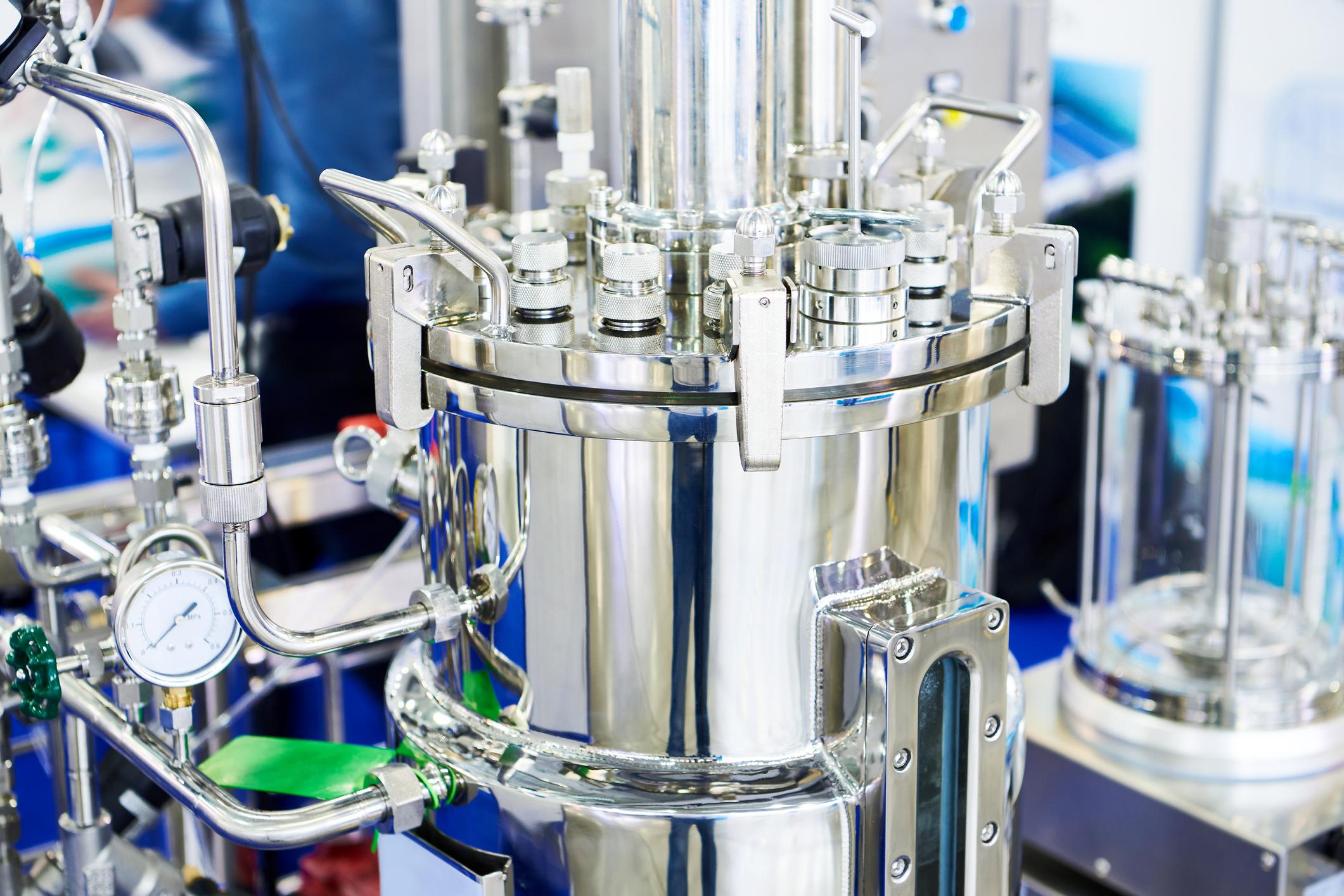
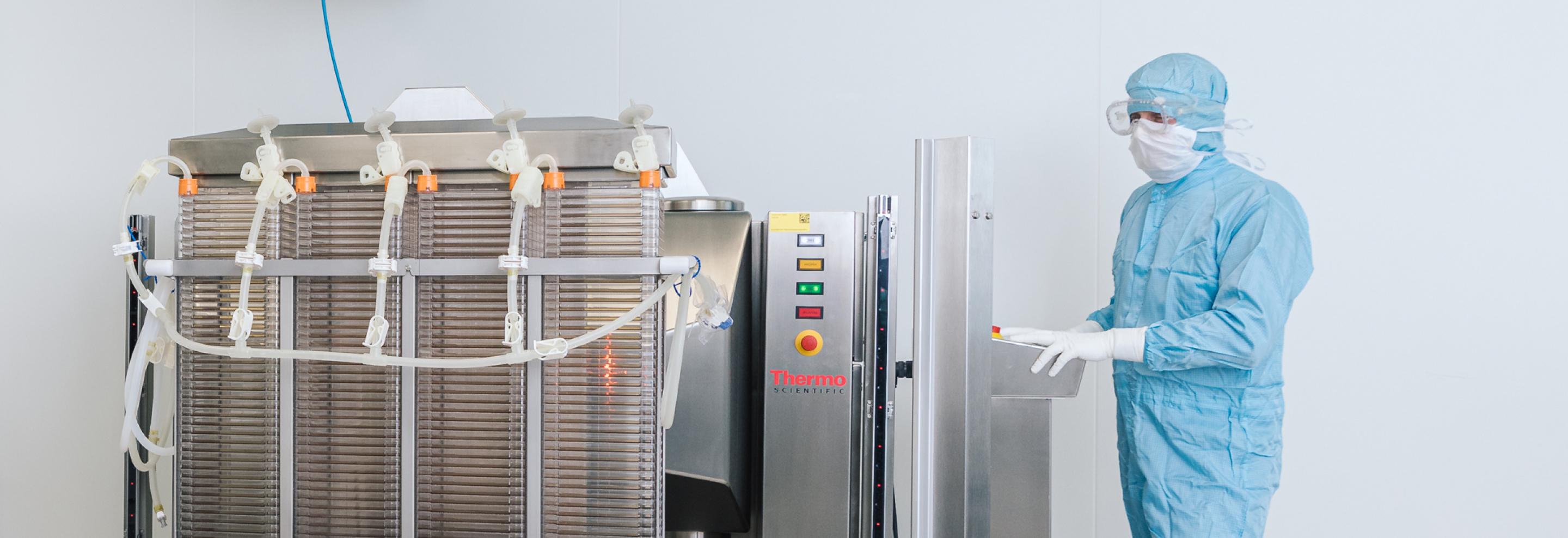
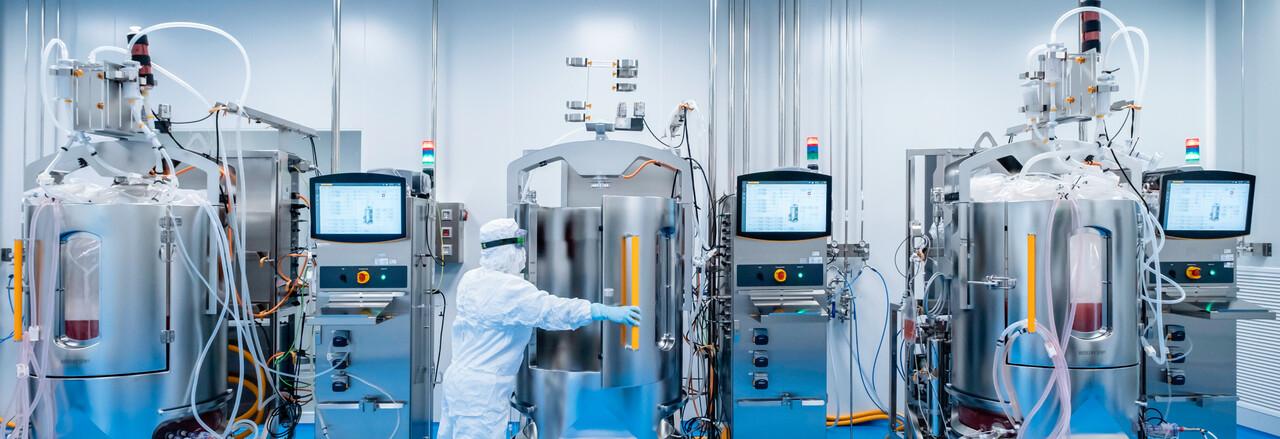
Facility design also incorporates architectural and operational elements that increase responsiveness. Independent utilities, segregated process flows, and dedicated airlocks for different lines help maintain flexibility while preserving biosafety and product integrity. The extensive adoption of single-use technologies (SUTs) has further strengthened this capability. Single-use systems allow production volumes to be increased or decreased more easily than in fixed stainless-steel installations, which also shortens changeover time and eliminates cleaning and cleaning validation requirements. Pre-sterilized, ready-to-use assemblies also reduce cross-contamination risk. Fully enclosed single-use operations with aseptic connectors or isolators allow certain fill/finish steps to be carried out in Class C and D environments rather than higher-cost suites, which expands layout options and lowers capital intensity.
Beyond equipment and utility design, HIPRA’s facilities employ rigorously segregated personnel and material flows to enhance flexibility and safeguard product integrity. Predefined routes prevent cross-traffic between activities, and production spaces are organized into zones with escalating environmental controls. This zoning strategy keeps upstream, downstream, formulation, and fill/finish operations isolated even during rapid changeovers or when multiple products run in parallel, maintaining compliance and efficiency as schedules shift.
Environmental considerations have been an important part of HIPRA’s design evolution. Multiple independent studies have shown that SUT-based bioprocessing can achieve lower overall environmental impact than comparable stainless-steel facilities because of reduced energy and water consumption and smaller operational footprints.2,3 Moreover, use of efficient fans for air handling units, rooftop solar panels, low Global Warming Potential (low-GWP) cooling systems, and circular water management are factors taken into consideration in new facilities. These findings reinforce HIPRA’s long-standing practice of pairing flexible capacity with efficient, sustainability-focused operations.
A parallel design principle embedded in HIPRA’s network is deliberate redundancy. Multiple layers of backup capacity are built into utilities, environmental systems, and critical production equipment to ensure continuity even under stressed conditions. Redundant quality systems operate across sites, and diversified single-use supply chains reduce dependence on any single vendor or region. These safeguards were developed to support uninterrupted vaccine supply in highly regulated, high-variability markets, and they now reinforce the reliability that HIPRA Biotech Services offers to development and manufacturing partners.
How HIPRA Biotech Services Translates Manufacturing Agility into CDMO Reliability
The flexible manufacturing capabilities HIPRA has developed over the last five decades for its vaccine portfolio now form the backbone of the new HIPRA Biotech Services contract development and manufacturing organization (CDMO). This business extends HIPRA’s scientific, technical, and operational expertise to pharmaceutical and biotechnology partners that need reliable, responsive support across the development and manufacturing life cycle.
Flexibility in both capacity and technology platforms is central to HIPRA Biotech Services. The organization supports a broad range of modalities, including recombinant proteins, monoclonal antibodies, and other complex biologics, expressed in mammalian and microbial systems. Services span early discovery, process and analytical development, clinical supply, and commercial-scale manufacturing of drug substance and drug product, allowing clients to grow within a single integrated ecosystem rather than transferring programs between providers as they progress.
The CDMO operation is anchored by a state-of-the-art manufacturing network in Spain, where multiple production plants, development centers, and support functions are located within the same campus. This proximity enables close coordination, fast escalation of decisions, and the ability to reallocate equipment, personnel, or production space as project needs evolve. It also simplifies the transition between development and GMP manufacturing, since teams share aligned systems, procedures, and infrastructure.
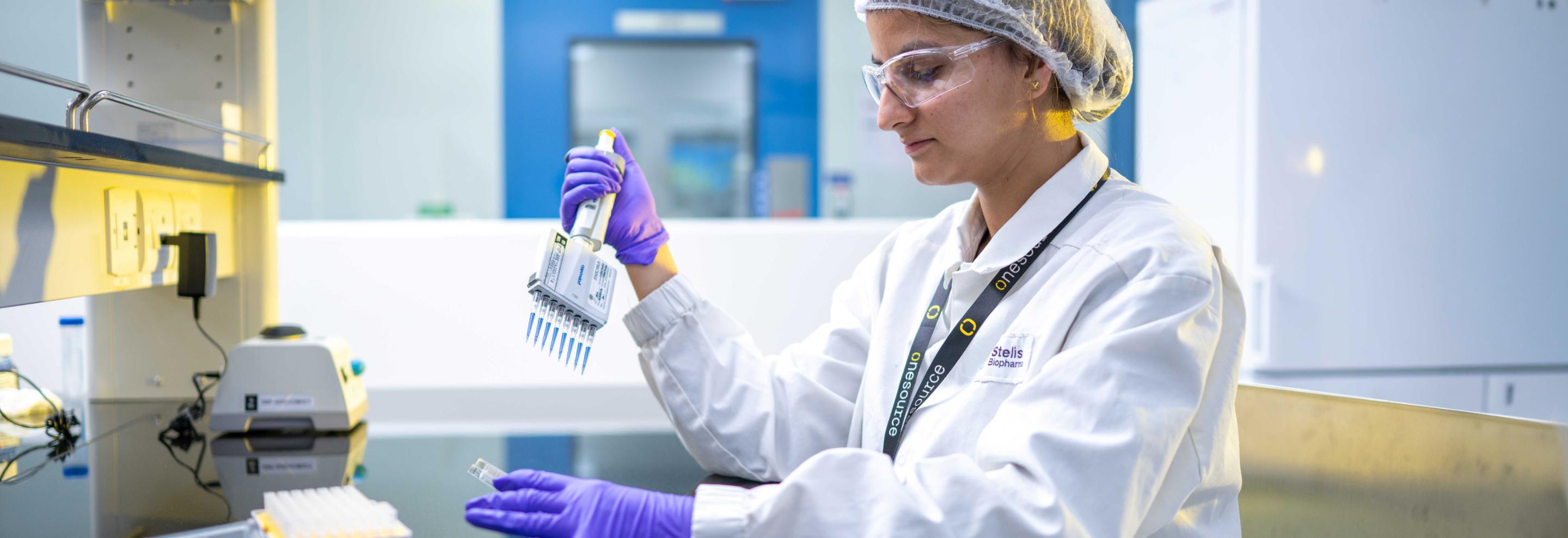
Workforce readiness is supported by a dedicated on-site training center that equips new and experienced employees with the skills required for advanced bioprocessing technologies and global quality standards. The center includes simulated production environments where operators can practice aseptic behavior, run mock batch operations, and demonstrate proficiency before entering GMP areas.
This training follows competency-based qualification routes rather than generic onboarding. Each role is tied to a defined skill matrix, and staff must show mastery of specific equipment, workflows, and GMP requirements before taking responsibility for a production line. This model strengthens technical depth while also building cross-functional capability, enabling operators to support multiple equipment trains and adjust quickly to project-by-project requirements.
The campus also features a modern logistics hub designed for efficient international distribution. Its proximity to the production plants streamlines material flow, shortens transfer times, and reinforces overall supply-chain resilience for HIPRA Biotech Services’ CDMO partners.
Experience-Driven Agility for Faster, More Reliable Execution
The experience HIPRA has accumulated over more than five decades as a developer and manufacturer of diverse vaccines and biologics directly strengthens its CDMO offering. Operating at commercial scale across multiple modalities has given the organization a practical understanding of how to design robust processes, anticipate manufacturing challenges, and manage technology transfers efficiently. These capabilities translate naturally to CDMO customer programs, allowing HIPRA Biotech Services to provide a level of operational maturity that many newer outsourcing providers have yet to build or that longer-standing outsourcing partners fail to successfully scale with their operations.
Because the company has long supported products with different biological platforms, production formats, and demand profiles, its teams are accustomed to adapting processes quickly and scaling capacity as needs evolve. This background enables HIPRA Biotech Services to accelerate development work, streamline scale-up, and implement manufacturing solutions with confidence. The result is an agile partner capable of supporting innovators at each stage of their journey, from early development through commercial supply.
Engineering the Next Generation of Flexible Bioprocessing
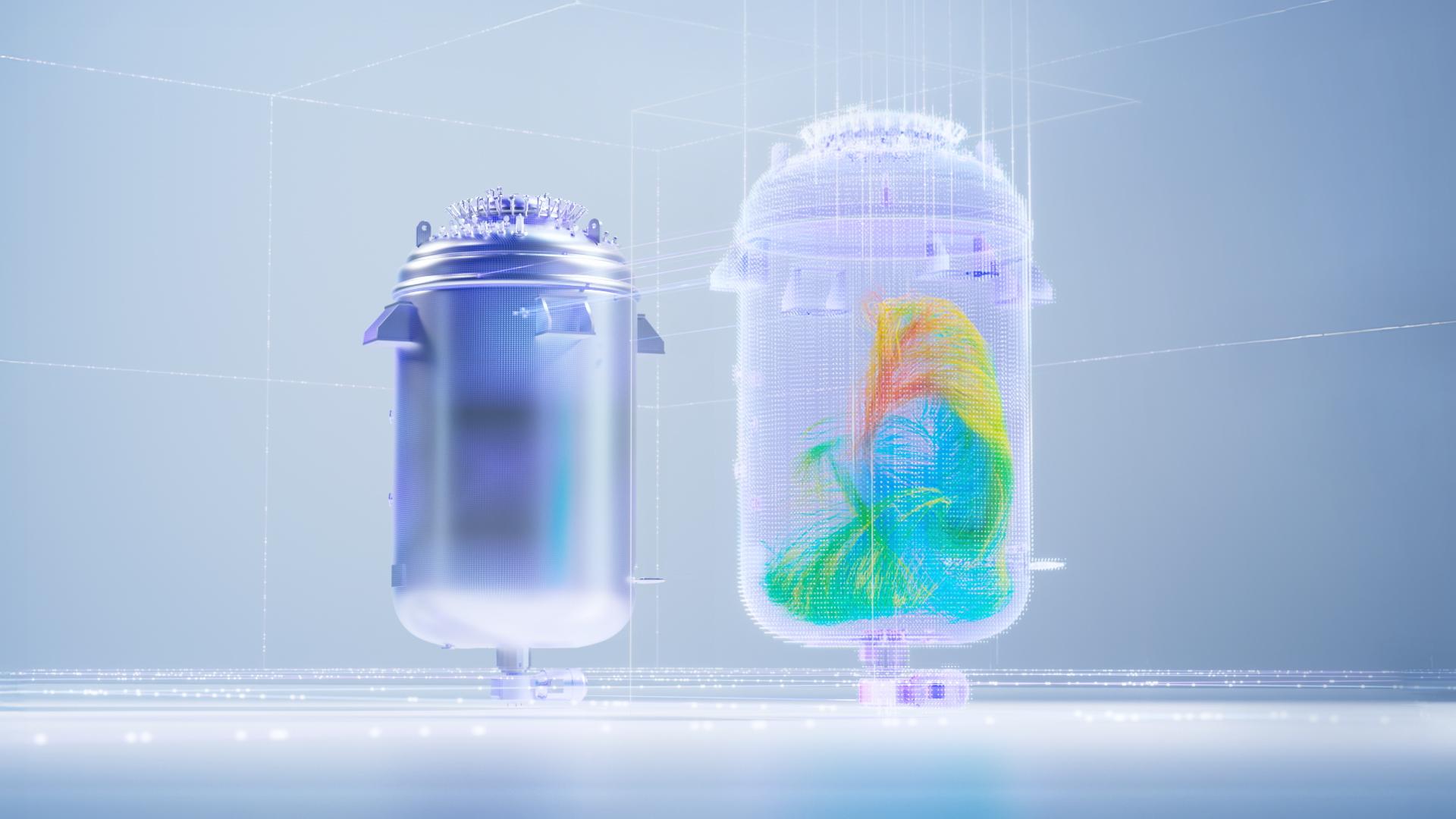
HIPRA Biotech Services supports customers as they advance their biologics programs from early development to clinical supply and, ultimately, to patients. This work is grounded in deep technical expertise, a strong quality culture, and close engagement with partners. Across every stage, the organization applies state-of-the-art tools, including single-use systems, advanced automation, digitalized workflows, and targeted use of artificial intelligence and modeling, to maintain the agility and responsiveness that modern biologics programs require. These technologies deliver their full value because they are paired with experienced teams and integrated into facility designs intentionally built for adaptable, efficient operation.
HIPRA continues to invest in new approaches that improve the efficiency and cost-effectiveness of biologics manufacturing. This includes expanding the CDMO’s physical footprint. A new facility dedicated to larger-scale mammalian expression is under construction, designed to accommodate expanded bioreactor volumes, while a separate microbial expression facility is in the final stages of qualification. Both will provide additional capacity for HIPRA Biotech Services customers and reflect the company’s broader philosophy of building for future demand rather than reacting to it.
Looking ahead, the company’s vision is to push the boundaries of what flexible bioprocessing can achieve, ensuring readiness not only for today’s development programs but also for emerging health challenges. By combining decades of manufacturing experience with modern facilities and adaptable development and production capabilities, HIPRA Biotech Services strengthens HIPRA’s long-standing contribution to One Health and reinforces its role in supporting a more resilient and innovative biopharmaceutical ecosystem.
References
1. A study assessing scientific, engineering, legal and economic considerations of flexible EU manufacturing and innovation of medical countermeasures for serious cross-border threats to health. European Commission. Mar. 2023.
2. Pietrzykowski, Matthew, et al. “An environmental life cycle assessment comparison of single-use and conventional process technology for the production of mAbs.” Journal of Cleaner Production. 41:150–162 (2013).
3. Budzinski, Kristi, et al. “Streamlined life cycle assessment of single use technologies in biopharmaceutical manufacture.” New Biotechnology. 68: 28–36 (2022).