Key Takeaways
Site-specific conjugation is redefining ADC design. Modern antibody engineering strategies allow payload molecules to be attached at defined locations, producing more homogeneous ADC products with controlled drug-to-antibody ratios.
Controlling payload placement improves therapeutic predictability. Both drug loading and conjugation site location can influence ADC stability, pharmacokinetics, and therapeutic activity.
Protein engineering has become central to ADC innovation. Engineered conjugation sites, selective chemistry, and enzyme-mediated attachment methods are enabling increasingly precise molecular architectures.
Precision ADCs raise the bar for manufacturing and analytics. Achieving consistent conjugate structures requires sophisticated analytical characterization and tightly controlled conjugation processes.
ADCs are evolving into programmable delivery platforms. As conjugation technologies advance, antibodies are increasingly being engineered as modular systems capable of transporting a broader range of therapeutic payloads.
ADCs are Evolving from Conjugates into Precision Molecular Delivery Systems
Antibody–drug conjugates (ADCs) were originally conceived as a form of targeted chemotherapy: antibodies designed to deliver highly potent cytotoxic molecules directly to diseased cells. This approach leverages the inherent specificity of monoclonal antibodies to recognize antigens expressed on target cells, enabling selective delivery of therapeutic payloads while limiting systemic exposure.1,2
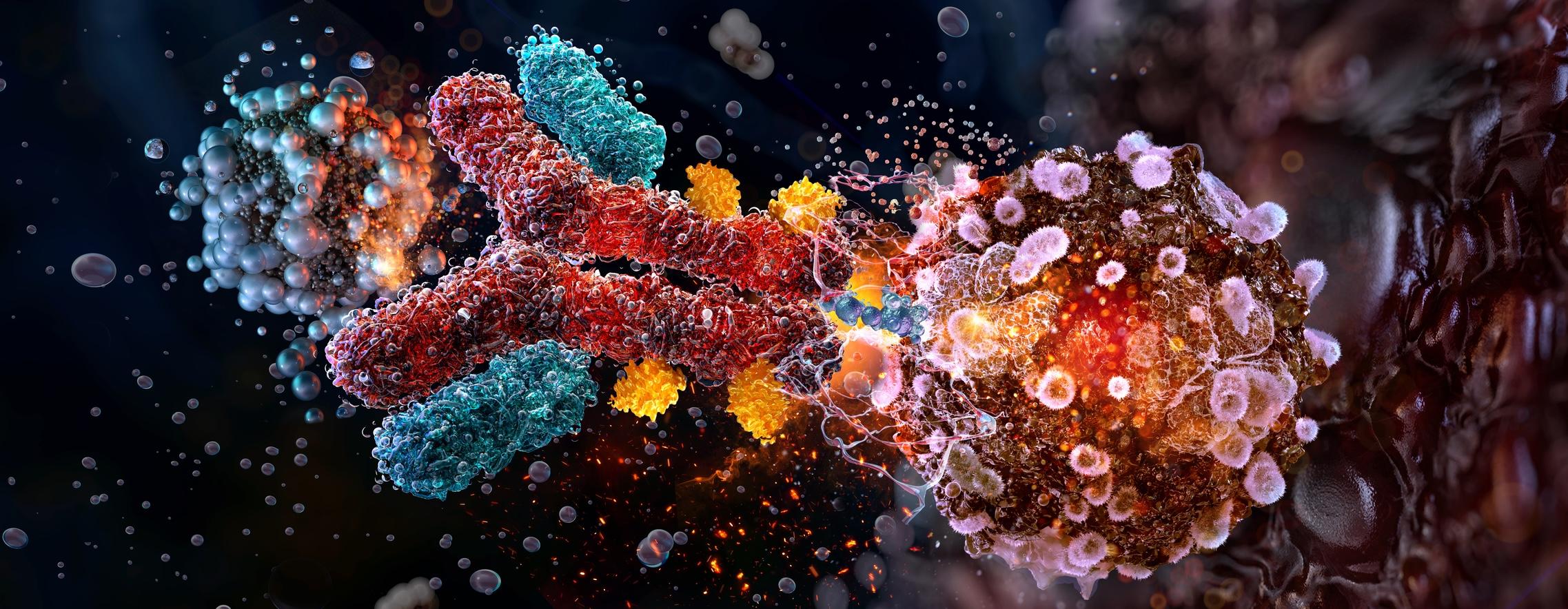
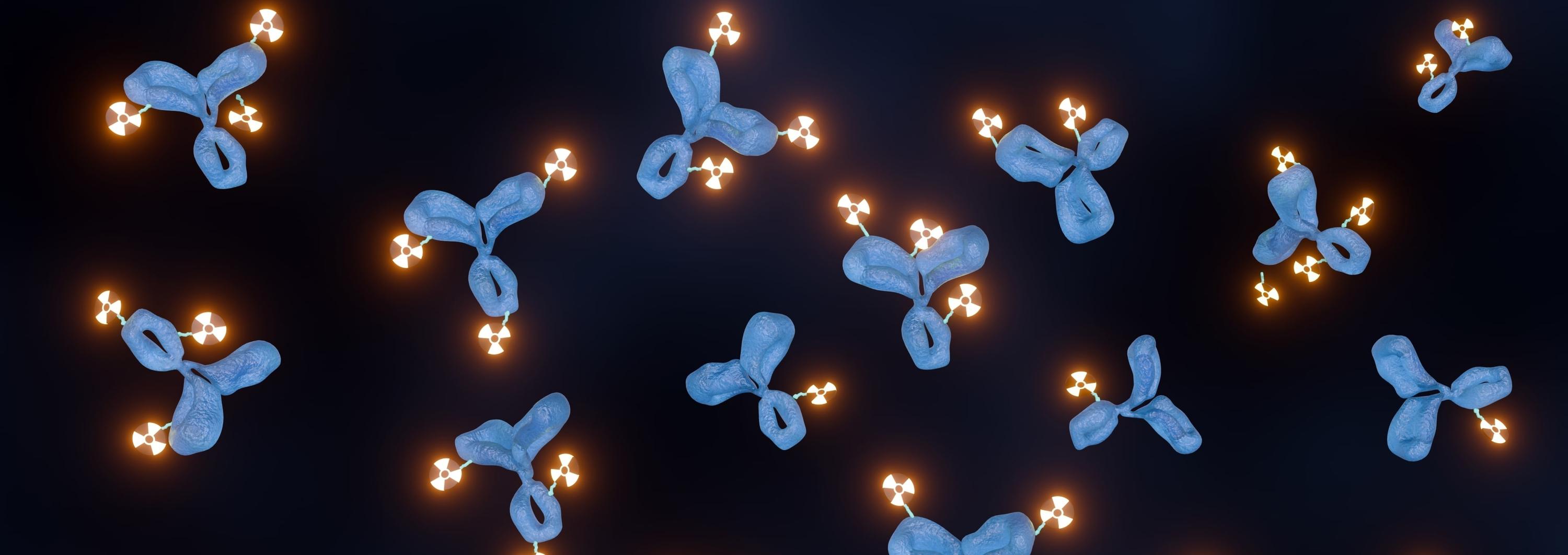
At a structural level, ADCs are built from three integrated components: a monoclonal antibody (mAb) that binds a disease-associated antigen, a chemical linker that connects the antibody to the payload, and a cytotoxic drug capable of inducing cell death following internalization. The power of this architecture lies in its ability to combine biologic targeting with small molecule potency, effectively turning antibodies into delivery vehicles for compounds that would otherwise be too toxic for systemic administration.
Over the past decade, advances across antibody engineering, linker design, and payload chemistry have expanded the scope and performance of ADCs, contributing to a growing number of clinical programs and approved therapies.3 These improvements have refined targeting, enhanced intracellular drug release, and broadened the range of usable payloads.
At the same time, early development efforts exposed a fundamental constraint. Conventional conjugation chemistries relied on modifying naturally occurring amino acid residues on the antibody, which resulted in mixtures of conjugate species with varying drug loadings and attachment sites. This structural heterogeneity introduced variability in pharmacokinetics, stability, and efficacy, while also complicating analytical characterization and manufacturing control.
The field is now entering a new phase defined by a shift in how ADCs are engineered at the molecular level. Advances in protein engineering are enabling the introduction of defined conjugation sites, allowing payloads to be attached with far greater precision. Site-specific conjugation strategies are reshaping ADC design by reducing heterogeneity and enabling more consistent control over key attributes, such as drug-to-antibody ratio (DAR) and payload distribution. In doing so, they are moving ADCs beyond their origins as chemically assembled conjugates toward a more controlled and programmable form of targeted therapeutic delivery.
Why Heterogeneity Became the Central Problem in Early ADC Development
Early ADC development relied largely on conventional chemical conjugation methods that modified naturally occurring amino acid residues within the antibody structure. These reactions typically targeted functional groups already present on the protein surface, allowing drug payloads to be attached without requiring engineered changes to the antibody itself. In practice, two types of residues were most commonly used: lysine side chains and cysteine residues generated by partial reduction of interchain disulfide bonds.4,5
Although these approaches were chemically straightforward and compatible with existing antibody production workflows, they introduced an important limitation. Antibodies contain numerous lysine and cysteine residues distributed across their structure, meaning that conjugation reactions could occur at multiple positions. As a result, the final product was not a single molecular species but a population of ADC molecules differing in both the number and location of attached drug molecules.
This variability produced ADC mixtures with a range of drug-to-antibody ratios (DARs) as well as different structural configurations. Because these structural differences can influence antibody stability, payload accessibility, and overall molecular behavior, heterogeneity has meaningful consequences for therapeutic performance. Key properties affected include pharmacokinetics, antibody stability, and the biological activity of the conjugate.6
As ADC programs advanced toward clinical development, the limitations of these heterogeneous mixtures became increasingly apparent. Developers recognized that greater control over payload attachment would be necessary to improve product consistency, optimize therapeutic properties, and simplify analytical characterization. Achieving that control became one of the central engineering challenges in the evolution of modern ADC technologies.
Conjugation Chemistry as a Primary Design Variable in ADC Engineering
As the limitations of heterogeneous antibody–drug conjugates (ADCs) became clearer, the chemistry used to attach payloads to antibodies emerged as a central factor in ADC design. Conjugation strategy influences the structural composition of the final product, including drug loading, attachment location, and molecular stability, all of which can affect therapeutic behavior and manufacturability.4
Modern ADC development therefore treats conjugation chemistry not simply as a technical step in assembly but as a critical engineering decision that shapes the overall architecture of the drug.
Conjugation technologies are generally categorized into three broad classes. The first is non-specific conjugation, which relies on reactions with naturally occurring residues such as lysines or cysteines on the antibody surface. These approaches are straightforward to implement but typically produce heterogeneous mixtures because multiple reactive sites are available on the antibody structure.
A second category includes methods that target a specific type of residue but do not fully control the exact location of conjugation. In these cases, the chemistry may preferentially react with a defined functional group, yet multiple positions on the antibody remain susceptible to modification, producing a limited but still heterogeneous set of conjugate variants.
The third category consists of fully site-specific conjugation strategies. These methods attach payloads to precisely defined locations on the antibody, often using engineered attachment sites or uniquely reactive functional groups designed to direct the conjugation reaction to a single position. By restricting payload attachment to predetermined sites, these approaches can generate much more uniform ADC populations.4
The growing emphasis on site-specific conjugation reflects a broader shift toward molecular precision in biologic drug development. As ADC technologies mature, the ability to control payload placement at the structural level is becoming an increasingly important determinant of both therapeutic performance and manufacturing consistency.
Protein Engineering Is Enabling Precise Payload Attachment
Recent advances in protein engineering have made it possible to move beyond the inherent constraints of native antibody structure by introducing defined conjugation sites directly into the molecule. Rather than relying on naturally occurring residues with variable accessibility and reactivity, developers can now design antibodies with specific attachment points that support controlled payload incorporation.
These engineered sites provide a framework for positioning payload molecules with far greater precision. By directing conjugation to predetermined locations, protein engineering approaches reduce the variability associated with conventional methods and enable more consistent control over the structure of the final product.
Site-specific conjugation strategies can take several forms. Some approaches introduce engineered amino acid residues that serve as dedicated attachment points for payload molecules. Others rely on chemical reactions that selectively target defined functional groups within the antibody, allowing modification at specific positions. Enzyme-mediated conjugation provides another route, using catalytic processes to attach payloads to designated sites on the antibody structure.5
These strategies allow the generation of more homogeneous ADC populations in which each antibody molecule carries payloads at defined locations. This level of structural control represents a significant shift in how ADCs are designed, enabling developers to treat conjugation as a programmable feature of the molecule rather than a variable outcome of chemical reactivity.
Drug-To-Antibody Ratio: A Key Determinant of ADC Performance
DAR is one of the most important structural parameters influencing the behavior of ADCs. DAR refers to the number of payload molecules attached to each antibody molecule, and variations in this value can significantly affect how an ADC performs in biological systems.6
The number of payload molecules carried by an antibody directly influences therapeutic potency, as higher drug loading can increase the cytotoxic potential of the conjugate. At the same time, DAR also affects other critical properties, including pharmacokinetics, molecular stability, and toxicity. Conjugates with very high drug loading may exhibit altered stability or increased clearance from circulation, while those with lower drug loading may have reduced potency.6
Traditional conjugation strategies often generate ADC populations with a wide distribution of DAR values because payload molecules attach to multiple reactive residues across the antibody surface. The resulting mixture may contain molecules carrying different numbers of payloads, which can complicate both therapeutic predictability and analytical characterization.
Site-specific conjugation strategies help address this issue by restricting payload attachment to defined positions on the antibody structure. By limiting the number of available attachment sites, these approaches allow developers to produce ADCs with more tightly controlled DAR values. The resulting structural consistency contributes to more predictable pharmacological behavior and supports improved product quality during development and manufacturing.
Why Conjugation Site Location Matters
While DAR is a critical structural parameter, the specific location at which payload molecules attach to the antibody can also have a substantial influence on ADC performance. The structural environment surrounding the conjugation site can affect how the payload interacts with the antibody scaffold and how the resulting conjugate behaves in circulation and within target cells.6
Attachment sites located on different regions of the antibody may vary in their accessibility, local chemical environment, and proximity to functional domains involved in antigen binding or immune interactions. These differences can influence the structural stability of the antibody after conjugation, as well as the exposure and orientation of the payload molecule. Conjugation site location may also affect pharmacokinetic behavior by altering how the conjugate interacts with biological systems, including processes such as circulation time and cellular uptake.6
Because these structural factors can influence therapeutic activity, the selection of appropriate conjugation sites has become an important aspect of ADC design. Development programs often evaluate multiple candidate attachment positions to identify sites that preserve antibody stability and antigen binding while supporting effective payload delivery. This optimization process reflects the increasing emphasis on molecular precision in ADC engineering, where both the number and placement of payload molecules are carefully controlled to achieve the desired therapeutic profile.
The Growing Toolbox of Site-Specific Conjugation Strategies
As the need for greater structural control in ADCs has become clearer, a diverse set of technologies has emerged to enable site-specific payload attachment. Rather than relying on the inherent reactivity of naturally occurring residues, these approaches introduce mechanisms that guide payload molecules to defined locations on the antibody structure. The goal is to generate more uniform conjugates while preserving antibody function and stability.5
One class of strategies relies on protein engineering to introduce defined amino acid residues that serve as dedicated attachment sites. By designing these residues into specific regions of the antibody, developers can create controlled points of chemical reactivity where payload molecules can be linked without interfering with antigen recognition or structural integrity.
A second category involves chemical reactions that selectively target discrete functional groups within the antibody. These reactions exploit differences in chemical reactivity to favor modification at certain positions, providing greater selectivity than traditional conjugation methods. Although such reactions may still interact with naturally occurring residues, advances in reaction design have improved the ability to bias modification toward defined sites.
A third group of approaches uses enzyme-mediated conjugation. Enzymatic reactions can recognize specific amino acid sequences or structural motifs and catalyze payload attachment at those locations. Because enzymes often display high substrate specificity, these methods can provide a controlled and reproducible route to site-specific modification.
These strategies have expanded the technical toolkit available for ADC construction. By enabling developers to control where payloads attach on the antibody, site-specific conjugation technologies are helping to produce more consistent ADC populations and allowing molecular architecture to be designed with greater precision.
What Precision Conjugation Means for CDMOs and Biomanufacturing
The shift from heterogeneous ADCs toward precisely engineered products has important implications for manufacturing and process development. As ADC architectures become more controlled at the molecular level, manufacturing processes must be capable of maintaining that precision throughout production.
Achieving consistent ADC products requires careful management of several factors. Conjugation reactions must be tightly controlled to ensure that payload molecules attach only at the intended positions. Process conditions must support stable antibody structure during conjugation, while analytical methods must confirm that DAR distributions remain within defined specifications. Purification steps must also remove unconjugated antibodies, free payload molecules, and other process-related variants to produce a well-characterized final product.
ADC production is inherently more complex than traditional mAb manufacturing because it combines biologics processing with elements of small-molecule chemistry. In addition to upstream antibody production, ADC manufacturing workflows typically involve the synthesis of linker-payload intermediates, controlled conjugation reactions, purification of conjugate species, and detailed structural characterization of the final product.7
This hybrid manufacturing model requires coordination across multiple areas of expertise, including biologics process development, synthetic chemistry, and advanced analytical characterization. Maintaining consistent product quality therefore depends on integrated development strategies that address both the biological and chemical components of the molecule.
For contract development and manufacturing organizations (CDMOs), these requirements create both challenges and opportunities. The growing sophistication of ADC technologies increases demand for specialized capabilities in conjugation chemistry, analytical characterization, and containment handling of highly potent compounds. As developers pursue increasingly precise ADC designs, CDMOs play an important role in translating these molecular engineering advances into scalable and reproducible manufacturing processes.
Analytical Strategies Become Central to ADC Development
The increasing structural precision of ADCs places greater demands on analytical characterization throughout development and manufacturing. Because ADCs combine a biologic scaffold with chemically attached payload molecules, their structural complexity requires analytical methods capable of interrogating multiple aspects of molecular composition and stability.
Several parameters are particularly important for defining ADC structure and quality, most notably DAR. Characterizing DAR distribution across an ADC population helps ensure that the product maintains the intended balance between potency, stability, and safety.
Analytical strategies must also determine where payload molecules are attached on the antibody. Conjugation site characterization allows developers to confirm that site-specific attachment strategies are functioning as intended and that the resulting conjugates maintain structural consistency. In addition, analytical methods are used to evaluate antibody stability after conjugation and to detect the presence of aggregates or other structural variants that could affect product performance.
Because ADCs incorporate both large biomolecules and small molecule components, their characterization often requires a combination of analytical techniques capable of addressing both domains. These methods play a central role in monitoring ADC structure during process development, guiding optimization of conjugation reactions, and confirming product quality during manufacturing.
As ADC technologies continue to evolve toward more precisely engineered architectures, analytical strategies must keep pace. The ability to characterize increasingly defined conjugate structures has become essential for supporting the next generation of precision ADC designs.
The Future of ADCs: Toward Programmable Payload Delivery
Advances in antibody engineering and conjugation chemistry are continuing to reshape the design principles underlying ADCs. While early ADCs focused primarily on attaching highly potent cytotoxic drugs to antibodies, current development efforts increasingly treat the antibody scaffold as a platform for controlled molecular delivery. Improvements in conjugation technologies are allowing developers to position payload molecules with greater precision and to design conjugates with more predictable structural and pharmacological properties.
Greater control over payload attachment is enabling ADC developers to produce more homogeneous conjugates with defined molecular architectures. By reducing structural variability, these approaches can improve the consistency of pharmacological behavior while also simplifying analytical characterization and manufacturing control. Advances in conjugation chemistry are therefore contributing not only to therapeutic performance but also to the overall developability of ADC products.
These developments are also expanding the conceptual scope of ADC technologies. Rather than functioning solely as targeted chemotherapy agents, ADCs are increasingly viewed as modular delivery systems capable of transporting a variety of therapeutic payloads. The antibody component provides targeting specificity, while the conjugation strategy determines how payload molecules are positioned and released.
As protein engineering tools continue to evolve, the ability to design antibodies with defined chemical functionality may further extend the versatility of ADC platforms. The combination of engineered conjugation sites, controlled drug loading, and advanced linker technologies suggests that ADCs may gradually evolve into programmable antibody-based delivery systems capable of transporting diverse molecular payloads with increasing precision.
References
Fu, Shiwen, et al. “Antibody drug conjugate: the “biological missile” for targeted cancer therapy.” Signal Transduction and Targeted Therapy. 7: 93 (2022).
Riccardi, Federico, et al. “A comprehensive overview on antibody-drug conjugates: from the conceptualization to cancer therapy.” Front. Pharmacol. Sec. Pharmacology of Anti-Cancer Drugs. 17 Sep. 2023.
Zhao, Ren-Jie, and Xing-Xing Fan. “Advances in Antibody-Based Immune-Stimulating Drugs: Driving Innovation in Cancer Therapy.” Int. J. Mol. Sci. 26: 1440 (2025).
Fan, Qirui, et al. “A review of conjugation technologies for antibody drug conjugates.” Antibody Therapeutics. 9: 158–170 (2025).
Walsh, Stephen J, et al. “Site-selective modification strategies in antibody–drug conjugates.” Chem. Soc. Rev. 50: 1305–1353 (2021).
Samantasinghar, Anupama, et al. “A comprehensive review of key factors affecting the efficacy of antibody drug conjugate.” Biomedicine & Pharmacotherapy. 161: 114408 (2023).
Wu, Guiying, et al. “Antibody–Drug Conjugates (ADCs): A Review of Structural Design, Technological Evolution, and Future Perspectives.” Molecules. 31: 1180 (2026).