Nearly 80% of people living with autoimmune diseases are women, yet the reasons behind this striking imbalance remain underexplored. The unique interplay of sex chromosomes, hormone cycles, and immune regulation helps explain why women face greater risk and more complex disease courses across their lifespan. From puberty and pregnancy to menopause, shifting hormones can trigger or temper flares, while environmental and lifestyle factors add extra layers of risk. Understanding these connections is key to designing research, diagnostics, and treatments that match the real biology of autoimmunity and close long-standing gaps in care and outcomes.
The Gender Paradox in Autoimmunity
Autoimmune diseases affect millions worldwide, but one statistic has long stood out: roughly 80% of people living with these conditions are women.1 This striking imbalance spans a wide range of diseases, from lupus and rheumatoid arthritis to Sjögren’s disease and multiple sclerosis, yet the biological and clinical reasons behind this gender gap remain only partly understood. For decades, autoimmune disorders have challenged researchers and clinicians alike, not only owing to their complex, multifactorial nature but also because gender itself continues to be treated as a background variable rather than a fundamental driver of risk.
Today, advances in immunology, endocrinology, and genetics are helping researchers interrogate how sex and hormones intersect with immune regulation. A deeper grasp of these interactions can help explain why women bear a disproportionate burden of autoimmune disease and why treatment outcomes can vary so widely between sexes and across different life stages. Understanding this intersection has important consequences in driving how diseases are diagnosed, how flares are predicted and managed, and how future therapies can be tailored to the specific immune profiles and hormonal contexts of individual patients.
At a time when personalized and precision medicine are reshaping drug development, the gender gap in autoimmunity highlights both a scientific challenge and an opportunity. By addressing the biological differences at the root of this paradox, researchers and biopharma companies alike have the chance to design more equitable, effective treatments and to close this long-standing diagnostic and therapeutic divide.
The Autoimmune Burden: A Disproportionate Toll on Women
Across the entire landscape of autoimmune diseases, the gender imbalance is impossible to ignore. Systemic lupus erythematosus (SLE), for example, affects women about nine times more often than men, while Sjögren’s disease shows a similar imbalance, with women making up more than 90% of diagnosed cases.2,3 Multiple sclerosis (MS) has a well-documented 3:1 female-to-male ratio, and rheumatoid arthritis (RA) also disproportionately affects women, who are two to three times more likely to develop it than men. Environmental factors alone cannot account for these differences; they are clearly rooted in biological, hormonal, and genetic factors that have been historically overlooked and have only recently come into clearer scientific focus.
The disproportionate impact of autoimmune diseases further translates into a lifelong burden impacting many women that extends far beyond physical symptoms. Many autoimmune diseases strike during women’s prime working and reproductive years, often between ages 20 and 40, creating a ripple effect on employment, income stability, and family caregiving responsibilities.1,2 Chronic symptoms, such as joint pain, debilitating fatigue, brain fog, and unpredictable flare-ups, often force women to adjust their careers or leave the workforce altogether, contributing to long-term economic vulnerability. In addition to direct medical costs for frequent doctor visits, lab tests, immunosuppressive drugs, and hospitalizations, there are hidden costs in lost wages, reduced productivity, and out-of-pocket expenses for supportive therapies.
The social and emotional toll is just as significant. Many autoimmune diseases are invisible to others, leading patients to feel misunderstood or stigmatized. As pain and fatigue can vary daily, women often struggle to balance family, work, and social roles while managing symptoms that friends, employers, or even healthcare providers may not fully recognize or validate.
One of the greatest contributors to this burden is the persistent delay in diagnosis that many women face. Conditions like lupus, MS, and RA can present with a confusing array of symptoms that overlap with other disorders, making early identification challenging. Women with autoimmune diseases frequently endure years of consultations with multiple specialists before receiving an accurate diagnosis.1,4 During this time, symptoms are often misattributed to stress, anxiety, or other psychosomatic causes, reinforcing harmful stereotypes that women’s experience of pain is somehow less credible that that of men. This misattribution not only delays effective treatment but can also compound feelings of frustration, self-doubt, and isolation.
Reproductive health adds another layer of complexity. Autoimmune diseases can directly impact fertility by causing inflammation of reproductive organs or indirectly via certain medications that suppress the immune system but may also affect ovarian function or pregnancy safety.5 For example, some immunosuppressive drugs used in lupus and RA require careful planning to avoid teratogenic effects. Pregnancy itself can be a double-edged sword: while some conditions temporarily improve owing to the immunological adaptations of gestation, others, like lupus, can flare and pose serious risks to both mother and fetus if not closely managed.4,6 The postpartum period is particularly high-risk, as abrupt hormonal shifts can reactivate dormant disease.
Furthermore, many women do not experience just one autoimmune disease in isolation. Polyautoimmunity — the coexistence of two or more autoimmune conditions in the same patient — is common, particularly among women. Lupus and Sjögren’s disease, for instance, frequently present together and may share overlapping symptoms like fatigue, joint pain, and neuropathy. In some cases, a second autoimmune disease may go undetected for years because its symptoms are mistakenly attributed to the first. This layered disease burden not only complicates diagnosis and management but reinforces the need for multi-pathway therapies and diagnostic tools capable of distinguishing and addressing multiple, interacting immune dysregulations.
Beyond cisgender women, there is also growing evidence that sex hormones play a central role in shaping autoimmune risk for transgender individuals. People undergoing gender-affirming hormone therapy experience significant shifts in circulating estrogen and testosterone levels, which can alter immune system behavior in ways researchers are only beginning to understand. Feminizing hormone therapy in transgender women may increase autoantibody production, while testosterone therapy in transgender men may offer a degree of immune suppression similar to what is observed in cisgender men.7,8 Robust long-term data remain limited, and gender-aware studies that account for the real diversity of hormonal contexts in which autoimmunity can develop are badly needed.
Taken together, this burden is not merely a statistical reality but a daily, life-shaping challenge for millions. Understanding it in its full biological, clinical, and social context is essential for designing therapies, care models, and policies that do not treat women and gender-diverse people as afterthoughts but as the primary focus in the fight against autoimmune disease.
Biological Roots: Sex Chromosomes and Immune Function
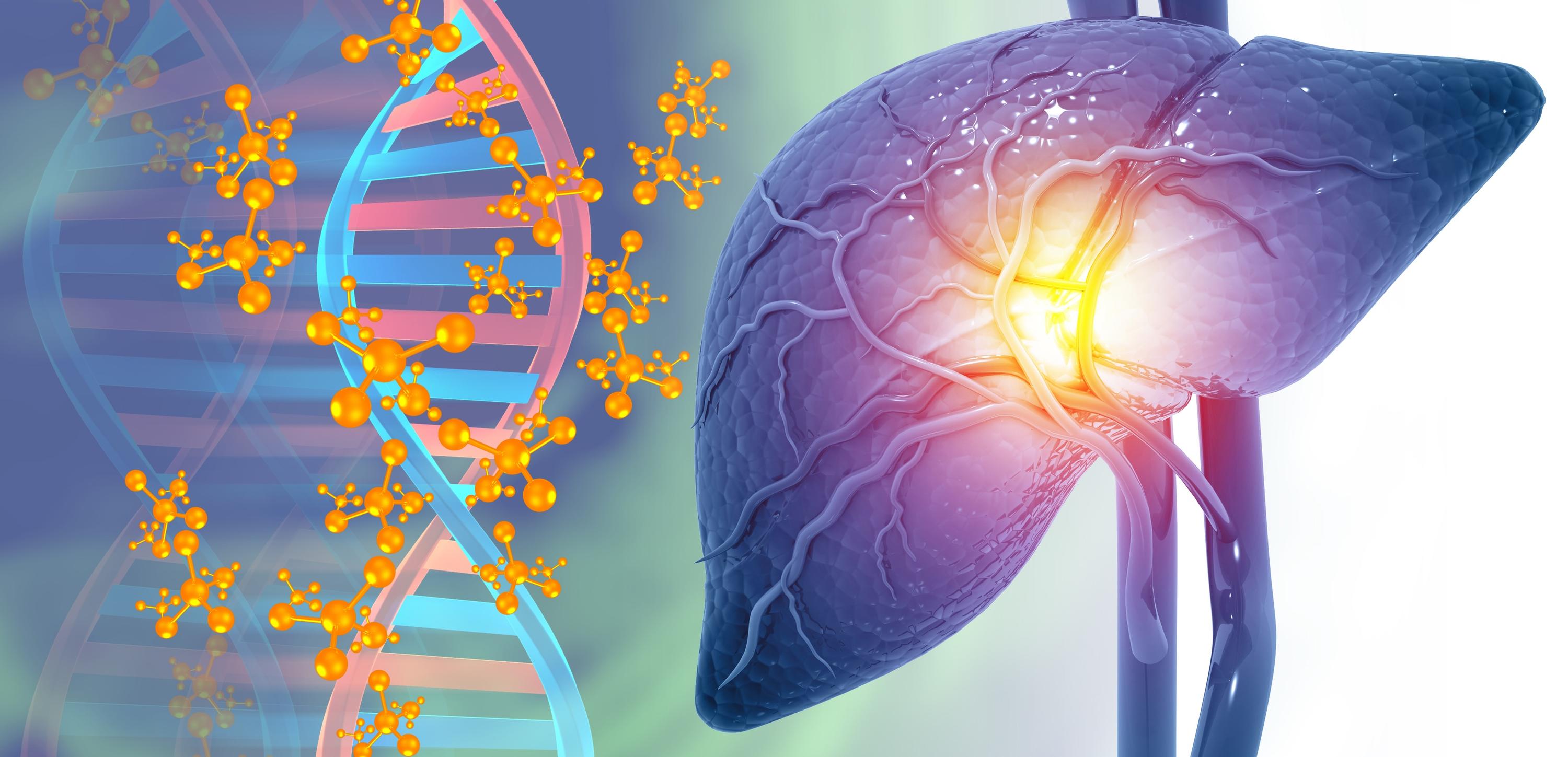
The profound gender imbalance in autoimmune diseases is rooted not only in hormones but also in the fundamental biology of sex chromosomes. Women carry two X chromosomes, each packed with hundreds of genes involved in immune regulation. To maintain genetic balance, the body employs a process called X inactivation, which essentially silences one X chromosome in each cell to prevent a harmful double dose of gene expression. However, this silencing is incomplete, and a significant percentage of genes on the X chromosome escape inactivation and continue to be expressed.5,9
Several genes encoding proteins that directly shape the body’s immune response are among these “escapee” genes. One of the most well-studied examples is TLR7, which encodes a toll-like receptor that detects viral RNA and activates innate immunity. Overexpression of TLR7 has been strongly linked to the development of systemic lupus erythematosus and other autoimmune conditions where the immune system mistakenly targets the body’s own tissues.5 When TLR7 escapes inactivation on both X chromosomes, women may have higher baseline levels of immune activation, which may drive the development of autoimmunity.
The story is further complicated by X chromosome mosaicism. Because X inactivation occurs randomly in early embryonic development, women’s tissues comprise two genetically distinct populations of cells, expressing genes from either the maternal or paternal X chromosome. In an ideal balance, this mosaicism supports genetic diversity and resilience. However, skewed X inactivation, where one X chromosome is preferentially silenced in most cells, can lead to disproportionate expression of immune-related genes from the remaining active X. This skewing has been associated with increased risk of diseases such as lupus and scleroderma, suggesting that even subtle shifts in X chromosome balance can tip immune regulation toward overactivity.9 The very notion of self-versus-nonself may be upended by this inherent mosaicism.
While the X chromosome contributes multiple pathways to heightened risk, the Y chromosome may play a quiet but meaningful protective role for men. Although far smaller and containing fewer genes overall, the Y chromosome does harbor genetic regions that influence immune modulation and inflammation.3 Some Y-linked genes are thought to interact with toll-like receptors and other immune pathways, potentially dampening responses that could otherwise escalate into self-reactivity. The absence of this additional regulatory layer in women may partly explain the higher rates of autoimmune disease.
Recent research also underscores the importance of epigenetic regulation — chemical modifications to DNA or chromatin that regulate expression — in shaping these sex-linked risk patterns. DNA methylation, histone modification, and non-coding RNA activity can dramatically alter how X chromosome genes behave in immune cells.10,11 Environmental factors, aging, hormonal fluctuations, and even viral infections can influence these epigenetic marks, leading to shifts in gene expression that either suppress or unleash autoimmune pathways. For instance, dysregulated epigenetic control of X-linked genes has been observed in lupus patients, demonstrating how inherited chromosomal differences can interact with dynamic environmental signals to create unique risk profiles.
In addition to chromosomal and epigenetic influences, researchers are increasingly exploring how mitochondrial genes, which are inherited maternally, interact with nuclear DNA to shape immune responses and influence autoimmune risk. Mitochondria are more than energy producers; they also regulate cell death (apoptosis), reactive oxygen species (ROS) signaling, and innate immune activation, all of which are key processes in autoimmunity. Disruptions in mitochondrial function or communication with nuclear genes can lead to increased oxidative stress and abnormal immune signaling. Intriguingly, some mitochondrial–nuclear interactions may also differ by sex, possibly contributing to the higher prevalence and severity of autoimmune diseases in women.1,11 These insights point toward another layer of inherited, sex-biased biology that may help explain the pathogenesis of conditions like lupus and multiple sclerosis and could reveal novel targets for therapeutic intervention.
These genetic and epigenetic insights help illustrate why sex differences matter so profoundly in autoimmunity and open promising vistas for therapeutic innovation. Understanding which X-linked genes are key players, how skewed inactivation alters risk, and how to manipulate epigenetic switches may pave the way for precision treatments that address the root biological imbalances driving disease and move beyond generalized immunosuppression toward smarter, targeted interventions that reflect the patient’s genetic and chromosomal context.
Hormonal Influence: Estrogens, Androgens, and the Immune System
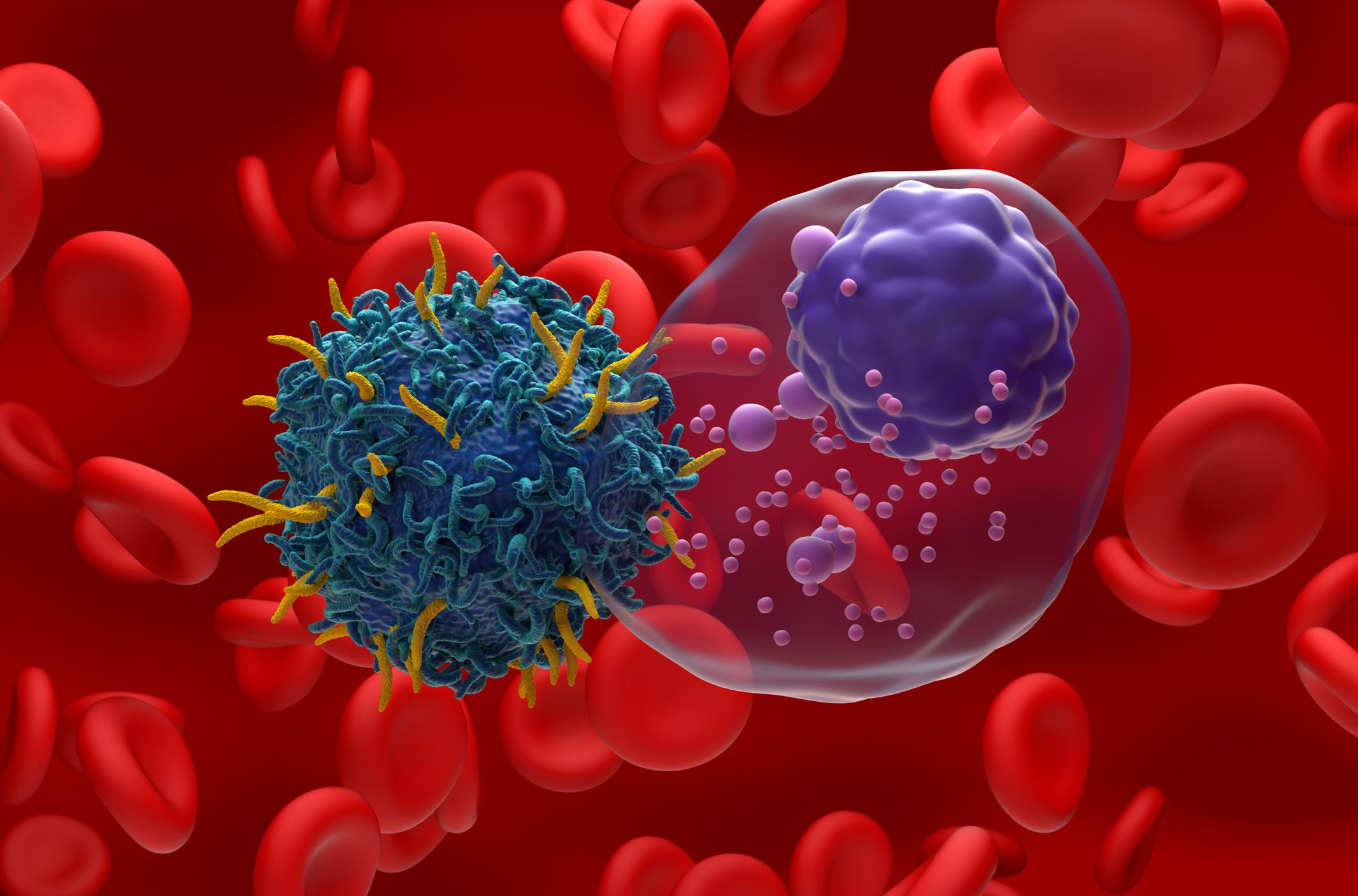
While sex chromosomes establish a genetic foundation for autoimmune risk, the choreography of hormone expression orchestrates how that risk plays out over a person’s lifetime. Estrogens are perhaps the most significant drivers of sex-based differences in immune function. High levels of estrogens strengthen humoral immunity by promoting B cell survival, maturation, and activation. B cells produce antibodies to fight pathogens but, under the wrong conditions, they can generate autoantibodies that attack healthy tissue instead.12,13 This potent stimulation of antibody production system helps explain why conditions characterized by high autoantibody titers, such as SLE, are so prevalent in women.
Estrogens also influence T cell responses, cytokine production, and the expression of toll-like receptors, including TLR7, amplifying the innate immune response that sets the stage for sustained inflammation and tissue damage. Even subtle changes in circulating estrogen levels can modulate these pathways. For example, during the menstrual cycle, fluctuating estrogen concentrations can affect disease symptoms in conditions like RA or MS, underscoring how intimately the immune system responds to hormonal cues.
In contrast, androgens, including testosterone and its derivatives, generally act as natural immunosuppressants. Higher levels of testosterone are linked to reduced B cell activation, lower autoantibody production, and dampened inflammatory cytokine release.14,15 This protective effect has long been recognized in observational studies that show men with naturally higher androgen levels are at lower risk for many autoimmune diseases than women of similar age. It is also reflected in experimental models where androgen deprivation can increase susceptibility to autoimmune conditions, while androgen supplementation can temper disease severity. These findings have sparked interest in the possibility of using androgens therapeutically, though practical challenges remain due to the systemic side effects of hormone modulation.
Progesterone’s influence is more nuanced, as it can act as both an immune regulator and an immune supporter in different contexts. During pregnancy, rising progesterone levels work alongside high estrogens to create an immunologically tolerant environment that protects the fetus, effectively dampening the maternal immune system’s reactivity to prevent rejection of the embryo, which is fundamentally semi-allogenic since it presents both maternal and paternal antigens.6 For women with conditions like RA, this hormonal shift can lead to temporary remission or significant symptom relief during pregnancy. However, progesterone can also maintain or even enhance certain aspects of immune function that sustain disease activity in other autoimmune conditions, depending on the balance with other hormones and the disease’s underlying mechanisms.
Hormonal influence is dynamic rather than fixed, and life stages shape how autoimmunity manifests. Puberty introduces a surge in estrogen that coincides with the peak onset age for many autoimmune diseases. Hormonal changes during pregnancy can suppress or aggravate disease activity, depending on the condition. After childbirth, the rapid drop in estrogen and progesterone levels often triggers postpartum flares in diseases like lupus and thyroid autoimmunity.4 Menopause adds another layer of complexity: as estrogen production declines, some women see a decrease in disease activity, while others experience worsening symptoms due to the shift in the immune landscape and changes in tissue repair processes.6
Research on transgender individuals further illustrates the modifiable role of sex hormones in immunity. Gender-affirming hormone therapy involves introducing high levels of exogenous estrogens or androgens to align an individual’s physical characteristics with their gender identity. Studies indicate that transgender women receiving estrogen therapy may experience immune changes that mimic the heightened autoantibody production seen in cisgender women, while transgender men on testosterone therapy may see a shift toward the immune profile more typical of cisgender men, potentially lowering some aspects of autoimmune risk.7,8 Although long-term data are still emerging, these findings reveal that the link between hormones and immune regulation is neither fixed at birth nor solely tied to genetic sex but can be reshaped by medical intervention.
Hormones are not merely background influences but active regulators of immune tolerance, inflammation, and disease progression. Understanding this interplay opens new avenues for research, prevention, and treatment, not only through traditional immunosuppressive drugs but also through strategies that leverage hormonal modulation to better manage autoimmunity in all its complex forms.
Triggers and Amplifiers: Environmental and Lifestyle Factors
While genetic predisposition and hormonal context largely establish autoimmune risk, external factors often serve as the spark that ignites disease onset or exacerbates symptoms. Infections have long been recognized as common triggers for autoimmune flares, as certain viruses or bacteria can provoke immune responses that mistakenly target the body’s own cells. Vaccines, while generally safe and critical for public health, can in rare cases interact with underlying susceptibility, although the precise mechanisms have yet to be elucidated.16
Stress is another well-documented amplifier of autoimmunity. Chronic stress elevates cortisol and other stress hormones, disrupting normal immune regulation in ways that can trigger or worsen flares. Diet also influences immune function, through nutrient intake and influencing the gut microbiome.
Importantly, the effects of these environmental factors are not uniform but are themselves modulated by sex hormones. Estrogen can intensify certain immune responses to infections, potentially increasing the likelihood of an autoimmune cascade in genetically predisposed individuals.16 This interaction is likely one reason why women often experience disease onset or flares during times of hormonal fluctuation.
The gut microbiome adds another layer of complexity. Research shows that the composition and behavior of gut bacteria can differ significantly between sexes, and hormonal shifts can further reshape the microbiome, creating a feedback loop that impacts disease expression.9
Real-world examples illustrate this dynamic vividly. Many women with lupus experience flares during pregnancy if immunosuppressive therapy is not carefully managed, while the postpartum period is notorious for abrupt hormonal changes that can reactivate quiescent disease. These examples underscore that autoimmune conditions arise from a constant interplay of genes, hormones, and environment — a moving target that demands equally adaptable approaches to prevention and care.
A Research and Clinical Blind Spot
Despite decades of evidence for the roles that sex and hormones play in driving the development of autoimmune diseases and how those diseases progress, these factors have long been treated as inconvenient complications in medical research and clinical trial design. Historically, women of childbearing age were systematically excluded from clinical trials under the assumption that fluctuating hormones and potential pregnancy risk would introduce too much noise into study results or pose ethical dilemmas if an unplanned pregnancy occurred mid-study.4 While policies have changed in recent decades, this legacy continues to echo through the entire research pipeline.
One consequence is the continued lack of sex-disaggregated data in both basic research and clinical trials for autoimmune therapies. Even when women are included, many studies fail to analyze results separately by sex or to investigate how hormonal states, such as menstrual phases, pregnancy, or menopause, might impact treatment outcomes. Key differences in disease mechanisms, drug metabolism, and response to therapy remain hidden behind averaged/aggregated data that oversimplify the biological reality. This oversight makes it far harder to identify why some drugs may be less effective in women than in men or why some side effects occur more frequently in one sex than the other.
This blind spot extends beyond trial design to biomarker discovery, where understanding sex-specific immune signatures could help predict which patients are likely to experience disease flares or respond well to a given therapy. Without robust data that account for these variables, promising diagnostic and prognostic markers may be overlooked or fail to translate into clinical practice.
The gap also manifests in clinical care. Many standard treatment guidelines and dosing regimens are based on data that effectively average out hormonal dynamics. Few protocols adjust for how a patient’s immune activity might change throughout the menstrual cycle, during pregnancy, or in menopause, life stages when hormones can dramatically shift inflammatory pathways and drug metabolism.17 A treatment that stabilizes disease activity during midlife might require adaptation during pregnancy or after menopause, but few therapies come with clinically validated, sex-informed adjustments.
When real-world treatment ignores these variables, the “average” patient it serves is a statistical construct (skewing toward a man) rather than any real individual. In practice, this means women endure unnecessary flares, suboptimal dosing, or unrecognized side effects simply because clinical protocols were built on an incomplete understanding of how sex hormones interact with the immune system and with medications themselves.
Correcting this blind spot is essential to realizing the promise of precision medicine in autoimmune disease. Doing so will require more than just enrolling equal numbers of women in studies; it must mean the establishment of trial designs that intentionally test how sex and hormones modify risk, response, and side effect profiles. Collecting and publishing sex-stratified data, training clinicians to interpret and apply these insights, and designing treatments that adapt to the hormonal realities patients live with every day will also be key in achieving these goals. Until these changes are fully integrated, a major source of unexplained risk and unmet need will persist, and the millions of women disproportionately affected by autoimmune diseases will continue to wait for therapies truly designed with them in mind.
What the Future Demands: Toward Gender-Informed Autoimmune Therapies
Closing the gap between what we know about gender, hormones, and immunity and how autoimmune diseases are actually treated requires a fundamental shift in research and development priorities. The first critical step will be ensuring that sex-specific and hormone-informed clinical research becomes the norm rather than the exception.1,2 By designing studies that actively explore how biological sex and hormonal states influence disease mechanisms, researchers can uncover insights that have long been obscured by one-size-fits-all approaches.
Precision medicine offers clear opportunities in this space. Predictive biomarkers that account for sex-linked genetic factors or hormone fluctuations could help clinicians anticipate flares and tailor treatments more effectively. Hormone modulation strategies, whether through carefully timed dosing or novel therapeutics that adjust hormone levels directly, are another promising avenue with potential to complement existing immunosuppressive regimens.
Emerging tools, such as multi-omics analyses and artificial intelligence (AI), are already helping to unravel the intricate networks linking sex chromosomes, hormone signaling, environmental triggers, and immune pathways.11,16 These technologies can identify subtle patterns that were once invisible to conventional research methods, bringing precision therapies closer to reality for patients who have historically been underserved by generalized treatment models.
The future of autoimmune disease care depends on translating this more nuanced understanding into tangible therapeutic advances. Companies working in this space have a critical role to play in ensuring that new treatments reflect the biological diversity of the patients they are designed to help. By embracing sex-specific and hormone-aware approaches, the field can move beyond managing disease in broad strokes to delivering truly personalized autoimmune therapies that meet each patient where they are and where their biology demands.
Fab Biopharma — Rethinking Autoimmune Treatment at the Root
At Fab Biopharma, the mission is clear: tackle some of the world’s most prevalent, complex, and underserved autoimmune diseases, like lupus and Sjögren’s disease, by addressing the fundamental biological drivers that traditional therapies often overlook.
Fab’s approach centers on soluble bispecific receptors and other next-generation biologics designed to intercept runaway immune signals with unprecedented precision. Unlike broad immunosuppression, these novel modalities aim to modulate the immune system selectively, restoring balance without compromising the body’s ability to defend itself.
Just as important, Fab places a strong emphasis on understanding how biological sex, hormones, and unique life stages shape immune function, from reproductive health to chronic inflammation. By factoring in these nuances, Fab is advancing therapies that better reflect the real biology of the millions of women most affected by autoimmunity.
Through cutting-edge science and a perspective rooted in equity, Fab Biopharma's experts in this field of drug design and development are working to redefine what targeted, patient-centered autoimmune care should look like and why acknowledging gender is essential to closing long-standing gaps in treatment.
Conclusion: Bridging the Gender Gap in Autoimmunity
Gender and hormones are not minor variables in the story of autoimmune disease but central drivers that determine who gets sick, how disease progresses, and how patients respond to treatment. Closing the gender gap in autoimmunity means recognizing and acting on these biological realities.
Bridging this gap demands sustained investment, richer data collection, and clinical approaches that reflect the true diversity of patient biology. Designing trials that include sex-disaggregated analyses, developing biomarkers that capture hormonal influences, and building therapies that adapt to the unique immune contexts each patient brings, will all contribute to a new understanding.
The path forward for companies advancing new therapies for complex autoimmune conditions lies in leaning into the nuances that make each patient different rather than treating them as complications to be averaged away.
Ultimately, tackling the gender imbalance in autoimmunity is not only about better science but delivering equitable care that reaches those who have long carried a disproportionate share of the burden. By aligning innovation with inclusion, the field can take real steps toward treatments that work for everyone, not just the statistical “average” patient.
References
1. Goldman, Bruce. “Stanford Medicine-led study shows why women are at greater risk of autoimmune disease.” Stanford Medicine. 1 Feb. 2024.
2. Lahita, Robert G. “Sex and gender influence on immunity and autoimmunity.” Front. Immunol. Sec. Autoimmune and Autoinflammatory Disorders. 25 May 2023.
3. Marconi, Matteo, et al. “Gender-affirming hormone therapy and autoimmunity: new insights from a 3-year follow-up study.” Clinical & Experimental Immunology. 219: uxad122 (2023).
4. Ortona, Elena, et al. “Sex hormones and gender disparity in immunity and autoimmunity.” Journal of Sex- and Gender-Specific Medicine. 18 Nov. 2015.
5. Zandman-Goddard, Gisele, Elena Peeva, and Yehuda Shoenfeld. “Gender and autoimmunity.” Autoimmunity Reviews. 6: 366–372 (2007).
6. Lasrado, Ninaad, et al. “Mechanisms of sex hormones in autoimmunity: focus on EAE.” Biology of Sex Differences. 11: 50 (2020).
7. Wiepjes, Chantal and Martin Den Heijer. “SAT416 The Incidence Of Autoimmune Disease In Transgender People After Initiation Of Gender-Affirming Hormone Therapy.” Journal of the Endocrine Society. 7: bvad114.2087 (2023).
8. Quintero, Ola L, et al. “Autoimmune disease and gender: Plausible mechanisms for the female predominance of autoimmunity.” Journal of Autoimmunity. 38: J109–J119 (2012).
9. Fairweather, DeLisa, et al. “Mechanisms underlying sex differences in autoimmunity.” JCI. 17 Sep. 2024.
10. Sciarra, Francesca, et al. “Gender-Specific Impact of Sex Hormones on the Immune System.” Int. J. Mol. Sci. 24: 6302 (2023).
11. Dou, Diana R, et al. “Xist ribonucleoproteins promote female sex-based autoimmunity.” Cell. 187: 733–749 (2024).
12. Nussinovitch, Udi and Yehuda Shoenfeld. “The role of gender and organ specific autoimmunity.” Autoimmunity Reviews. 11: A377–A385 (2012).
13. Moulton, Vaishali R. “Sex Hormones in Acquired Immunity and Autoimmune Disease.” Front. Immunol. Sec. Cytokines and Soluble Mediators in Immunity. 3 Oct. 2018.
14. Jacobs, Sheila. “What Is the Impact of Sex Hormones on Susceptibility to Autoimmune Inflammatory Diseases?” Rheumatology Advisor. 22 Sep. 2022.
15. Yang, Qianfan, et al. “Sex hormone influence on female-biased autoimmune diseases hints at puberty as an important factor in pathogenesis.” Front. Pediatr. 11: 1051624 (2023).
16. Huret, Christophe, et al. “Altered X-chromosome inactivation predisposes to autoimmunity.” Science Advances. 3 May 2024.
17. Andrade, Felipe. “Opinion: How does XIST promote sex bias in autoimmune diseases?” Front. Immunol. Sec. Autoimmune and Autoinflammatory Disorders. 10 Apr. 2024.