Key Takeaways
Cell-free biomanufacturing uses cellular machinery outside living cells to produce proteins or nucleic acids in programmable reaction systems.
Cell-free protein synthesis may accelerate selected biologics workflows, especially construct screening, difficult-to-express protein testing, antibody-fragment evaluation, and early material generation.
The technology is not a broad replacement for CHO or microbial platforms, but it may complement conventional manufacturing where speed, access, or molecular control are especially valuable.
Cell-free systems create new process-control and scale-up questions, including template preparation, extract consistency, reactor design, impurity clearance, and reproducibility.
CDMOs could play an important role in cell-free biomanufacturing by helping sponsors translate platform flexibility into controlled, scalable, GMP-ready workflows.
Moving Biologics Production Beyond the Living Cell
Biologics manufacturing has been built around the productive capacity of living cells. Mammalian cell culture, microbial fermentation, and other cellular platforms remain central because they provide the machinery needed to transcribe genetic information, translate proteins, support folding, and, in some cases, perform posttranslational modifications. Those platforms are deeply established across development strategy, facility design, regulatory expectations, and contract development and manufacturing organization (CDMO) service models.
Cell-free biomanufacturing starts from a different premise: the cell’s molecular machinery can be used without keeping the cell alive. In cell-free synthesis, cellular components or purified recombinant elements are supplied with a genetic template, nucleotides, amino acids, metabolic intermediates, salts, and other reaction inputs to produce proteins or nucleic acids outside the boundaries of an intact organism.1 Cell-free gene expression (CFE) first emerged as an alternative to living cells for protein synthesis and labeling and has since been adapted for synthetic biology and bioengineering.2
That distinction has become more relevant as biologics portfolios move beyond conventional recombinant proteins into more engineered and specialized formats. Antibody fragments, engineered enzymes, non-natural amino acid–containing proteins, site-specific antibody–drug conjugates (ADCs), vaccine antigens, membrane proteins, and difficult-to-express proteins can all create development and manufacturing challenges that are not always well served by standard cellular expression. Cell-free systems have historically been used as research tools, but advances in engineering have positioned them as potential biomanufacturing platforms for protein therapeutics, vaccines, enzyme biocatalysts, fuels, and commodity chemicals.3
The most credible promise of cell-free biomanufacturing is not that it will replace Chinese hamster ovary (CHO) cell culture, microbial fermentation, or other mature expression systems. Those platforms remain essential where they provide the right combination of productivity, scalability, product quality, cost, and regulatory familiarity. The opportunity is more selective. Cell-free protein synthesis (CFPS) may be valuable where living cells become a constraint: when speed matters, when a product is toxic or difficult to express, when non-natural amino acids or site-specific conjugation are needed, when rapid screening is more important than immediate commercial-scale production, or when manufacturing needs to become more distributed.
That makes cell-free biomanufacturing less a single disruptive replacement technology than a new way to think about platform selection. The question is not whether the living cell remains useful. It is when the whole cell is necessary, when it is a bottleneck, and when its machinery can be used more effectively outside the organism.
From Living Factories to Programmable Reactions
In conventional biologics production, the cell is both the factory and the constraint. It must remain viable, metabolically active, and sufficiently stable while producing the desired product. The manufacturer can influence the process through cell line design, vector selection, media development, feed strategy, bioreactor conditions, and downstream controls, but many key variables are still mediated through the biology of the host.
Cell-free systems expose more of that biology directly. CFPS uses extracts containing transcription and translation machinery without intact cell walls, and those extracts can come from prokaryotic or eukaryotic sources, including Escherichia coli, CHO cells, and wheat germ.4 Once the production machinery is removed from the intact cell, the reaction can be supplied and tuned as a biochemical process. Templates can be changed. Energy systems can be redesigned. Cofactors, chaperones, amino acid mixtures, and other additives can be introduced. Positive effectors can be added, and negative effectors can be removed.5
That shift changes development logic. In a living-cell system, a problematic protein may require host engineering, construct redesign, expression tuning, adaptation, or extensive screening to find conditions that preserve viability and support product formation. In a cell-free system, production is decoupled from host survival. That does not make every difficult protein easy to manufacture, but it removes one major constraint: the production system does not have to remain alive while producing the target protein.
The lack of a cell wall also gives developers more direct access to the reaction environment. Cell-free systems can allow closer monitoring and control of polypeptide synthesis, and conditions can be optimized for the product being made.6 That product-specific tunability is central to the appeal of CFPS for difficult-to-express proteins, engineered proteins, and formats that require biochemical conditions or components that would be hard to impose inside a living cell.
This accessibility creates new responsibilities. Cell-free reactions depend on the extract source, template design, reagent composition, energy regeneration system, reactor format, impurity profile, and intended product quality attributes. A bacterial lysate and a plant-cell extract are not interchangeable. A purified recombinant system and a crude extract create different control challenges. A rapid screening reaction and a GMP manufacturing process face different expectations. Cell-free biomanufacturing shifts complexity from the living cell into the reaction design, where more variables may be accessible but also more must be understood and controlled.
That duality makes CFPS both a production method and a process development tool. It can generate proteins, but it can also accelerate learning about expression, solubility, folding, modification, stability, and manufacturability. The first practical test of that value is speed: whether cell-free systems can help developers move from genetic design to useful material or decision-ready data faster than conventional workflows allow.
Where Cell-Free Speed Matters Most
Speed is one of the strongest arguments for cell-free biomanufacturing, but it is strongest when defined precisely. CFPS should not be viewed as a universal way to compress all biologics manufacturing timelines. A final GMP biologic still requires raw-material control, impurity clearance, analytical characterization, formulation, documentation, validation, and regulatory strategy. Expression time is only one part of the larger manufacturing timeline.
The more pragmatic view is that CFPS can accelerate selected development, screening, and production workflows. Because the reaction does not require the growth and maintenance of a production cell, CFPS can be especially useful for early-stage construct evaluation, difficult-to-express protein testing, antibody-fragment screening, and small-volume integrated workflows. CFPS is useful for difficult-to-express proteins because it does not require host-cell viability, provides an open reaction environment, and permits selective addition or removal of reaction components.5
A 2018 study showed how this can translate into workflow compression. The work integrated cell-free expression, purification, and bioconjugation in small volumes, addressing the lengthy and multi-step nature of pharmaceutical protein development in living-cell systems.7 The value of that example lies in the integration. Instead of treating expression, capture, modification, and formulation as separate development tasks, the workflow brought several of those activities closer together.
Antibody discovery provides another speed-oriented use case. A 2023 study combined cell-free DNA template generation, CFPS, and binding measurements to evaluate antibody fragments in hours rather than weeks.8 For discovery and early development groups, this kind of speed can change the cadence of decision-making. The benefit is not only that a protein is produced faster; it is that candidates can be triaged faster, liabilities can surface earlier, and fewer resources may be spent advancing constructs that are poorly suited to further development.
The XpressCF+ process created by ADC-focused biopharma company Sutro is described as completing expression in less than 24 hours and accelerating product and process development.9 That speed claim is specific to that platform, but it demonstrates the type of compressed expression timeline that can make CFPS attractive for specialized products, particularly where molecular control and rapid iteration are central to development.
The vaccine-response setting offers a different version of the speed argument. CEPI awarded LenioBio up to $2 million to test whether its plant-cell extract ALiCE platform can produce vaccine proteins for clinical-trial testing in 20–40 days, which CEPI described as approximately a quarter of the time needed for more traditional methods such as cell cultures.10 This remains a funded test of potential, not proof that all vaccine manufacturing can be converted to that timeline. Still, it shows why cell-free platforms are being explored for outbreak preparedness and rapid-response manufacturing.
The “speed advantage” can mean faster expression, faster candidate screening, faster integrated development workflows, faster production of early clinical-trial material, or faster response to emerging biological threats. The common thread is reduced time spent adapting a living system to the product. Once expression can be accelerated or integrated, the next question is whether downstream processing can be redesigned around the same logic.
Designing Downstream Processing Around the Product
Cell-free biomanufacturing changes how expression and downstream processing can be connected. In conventional biologics manufacturing, upstream and downstream operations are usually separated into a familiar sequence. The cell produces the protein, the material is harvested, and downstream processing removes cells, host-cell proteins (HCPs), nucleic acids, media components, aggregates, process-related impurities, and other unwanted materials. That architecture is well established and often highly effective, but it can also be cumbersome for small-volume, highly engineered, or development-stage products.
Because cell-free reactions are directly accessible, capture and modification strategies can be positioned closer to the point of synthesis. A 2018 study integrated CFPS with purification and bioconjugation using split-intein mediated capture onto a solid surface. The capture step was reported to be 89–93% efficient, and the workflow enabled release into a chosen buffer without a separate concentration or buffer-exchange step.7 This does not prove that purification is automatically simpler for all CFPS products, but it demonstrates that expression, capture, release, and modification can be designed as a more connected workflow.
That kind of integration may be especially useful for products that require rapid characterization or additional chemical modification. Engineered proteins, protein conjugates, antibody fragments, and ADC intermediates can benefit from workflows that connect synthesis with capture, labeling, conjugation, or formulation under defined conditions. For development teams, the advantage may be less about eliminating downstream processing and more about reducing unnecessary handoffs between steps.
Platform-specific data from Sutro reinforce that downstream processing remains central. Sutro’s scale-up poster states that XpressCF+ uses standard bioreactors and downstream processing and that conventional downstream processing delivered appropriate product purity HCP and endotoxin were efficiently removed.9
The LenioBio–ReciBioPharm collaboration provides a similar operational signal. The companies announced a collaboration to scale ALiCE protein manufacturing, including technology transfer for 10-L vaccine-candidate protein production and both upstream and downstream unit operations.11 That matters because downstream transfer is often where promising production technologies encounter practical manufacturing constraints. A cell-free platform must not only express the protein; it must produce material that can be purified, characterized, and advanced through a controlled process.
The purification opportunity is therefore best described as design flexibility rather than guaranteed simplification. CFPS removes intact living cells from the production reaction, but it does not remove the need to control reaction-derived impurities, extract-derived materials, enzymes, nucleic acids, salts, substrates, endotoxin, product-related variants, or other process-related components. In some systems, downstream processing may become more integrated. In others, the impurity profile may require substantial process development. The advantage lies in the ability to connect expression, capture, release, and modification earlier in development.
For CDMOs, this creates a useful service opportunity. Cell-free workflows cut across traditional boundaries between upstream development, downstream process design, conjugation chemistry, and analytics. A manufacturing partner that can evaluate the full workflow, rather than only the expression step, will be better positioned to determine whether CFPS offers a real product-specific advantage. That same integration, however, places a premium on reproducibility, because a more accessible reaction is not necessarily a more standardized one.
Control is the Promise; Reproducibility is the Test
Cell-free systems are often described as more controllable than living-cell processes, and that is true in an important sense. The reaction environment can be accessed directly, reaction components can be adjusted, and product-specific conditions can be explored without maintaining host-cell viability. CFPS offers design freedom through the selective addition or removal of reaction components.5 For development teams, this can make the platform attractive when a product requires specific biochemical support or when conventional host biology creates barriers to expression.
Manufacturing control, however, requires more than the ability to manipulate a reaction. It requires reproducibility. The same accessibility that makes CFPS tunable also creates variables that must be standardized. DNA-template preparation is one example. A 2022 study identified DNA-template preparation as a source of variability in CFE systems and evaluated extraction methodologies, postprocessing, and manual versus automated preparation.12 The study assessed template concentration, physical damage, DNA solution purity, protein titer variance, protein-production rate, biological replicates, technical replicates, and nominally identical CFE reaction replicates.
That finding is important for GMP translation because template preparation is not just a laboratory detail. If template concentration, purity, damage, or preparation workflow affects protein output, then template control becomes part of the manufacturing strategy. The same applies to extract source and preparation, reaction-buffer composition, operator effects, site-to-site variability, and analytical readouts. In living-cell processes, the production cell is often treated as the central control object. In cell-free processes, control must extend across the template, extract or purified machinery, reagents, reactor, and downstream workflow.
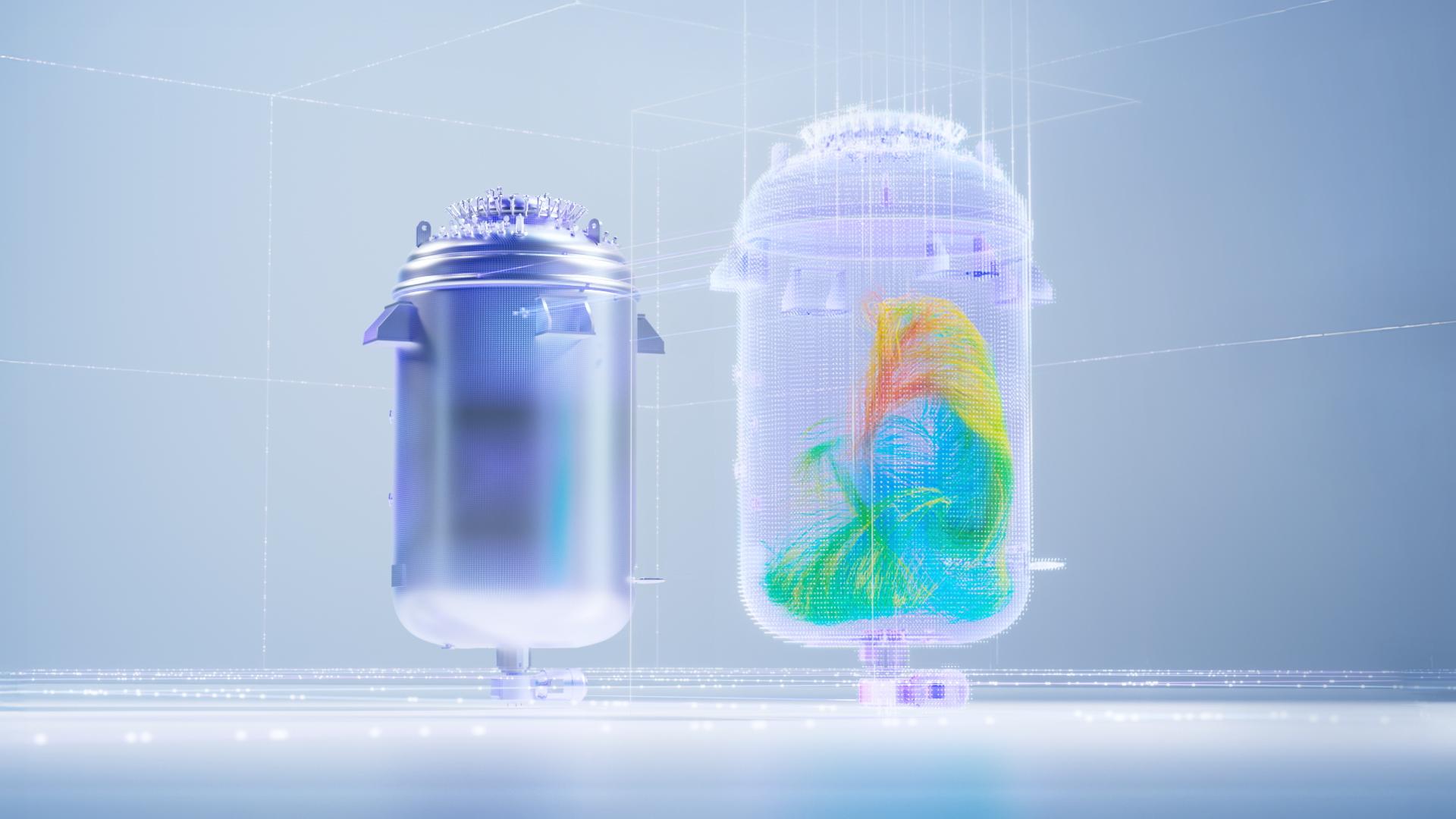
Reactor design is another major determinant of scale-up potential. A 2025 review evaluated thirteen major CFPS reactor formats, ranging from traditional batch systems to more advanced platforms.4 Those formats differ in productivity, scalability, technical complexity, environmental stability, and application suitability, and reactor design involves a tradeoff between reaction yield and operational complexity. That tradeoff is central to manufacturing strategy. A simple batch reaction may be well suited to screening, rapid prototyping, or small-volume production. A fed-batch or continuous-exchange format may improve productivity by replenishing substrates or removing inhibitory byproducts, but it may also require more complex equipment and process controls. Microfluidic or portable formats may suit diagnostics or distributed manufacturing but may not be appropriate for large-scale therapeutic production. A format that maximizes yield may not be the one that best supports robustness, transferability, or GMP documentation.
Scale-up examples show progress but also reinforce the need for platform-specific evidence. Sutro reported reproducible and consistent titers from 0.2 L to 1 kL for monospecific and bispecific antibodies.9 While unique to XpressCF+, it is nonetheless an important manufacturing claim because scale-up has often been one of the central concerns for cell-free systems.
Biological limitations also remain. CFPS does not provide a universal solution for difficult-to-express proteins, and challenges remain around scalability and post-translational modifications, especially glycosylation. These limitations are particularly important for complex therapeutic proteins, where activity, half-life, immunogenicity, stability, and comparability may depend on precise modification profiles. A product that requires mammalian glycosylation may still be better suited to a mature cellular platform unless the cell-free system can reproduce the required quality attributes.
The practical question is not whether CFPS can make proteins. It can. The harder question is whether a given cell-free system can make the intended product consistently, at the required quality, at the necessary scale, with a process that can be transferred, validated, and controlled. That is where reactor design, template control, extract preparation, impurity management, and analytics become as important as expression itself. The same logic applies to cost: the economics of cell-free production depend not only on the reaction’s promise, but on how well the full platform can be engineered and supplied.
Cost Progress Without Cost Certainty
Cost has long influenced where cell-free systems can be used. A fast, flexible expression platform may be attractive for discovery or development, but broader manufacturing adoption requires reagents, templates, extracts, energy systems, cofactors, substrates, and downstream processes that can support viable economics. If the reaction inputs are too expensive or too variable, CFPS remains confined to research, screening, or high-value specialized applications.
Recent work shows that cost can be addressed through formulation engineering. A 2026 study screened 58 reagent components and concentrations across 1,231 reaction combinations to develop a lower-cost, reproducible, high-yield CFE formulation.13 The optimized formulation produced 2.4 ± 0.3 g/L superfolder green fluorescent protein at $60/g protein in a standard batch reaction and 3.7 ± 0.2 g/L at $39/g protein with improved oxygen flux. The study also reported an average 95% lower cost compared with state-of-the-art phosphorylated energy substrate formulations.
Those results matter because they show that cell-free economics are not fixed. Reagent selection, component concentration, oxygen transfer, energy regeneration, and reaction design can all influence yield and cost. Cost reduction is therefore part of process development, not only a purchasing problem.
The economics of CFPS also depend on how the protein-synthesis machinery and associated reagents are produced. Production processes for CFPS machinery and associated reagents have been developed and optimized to support large-scale CFPS applications with viable economics.
Still, economic progress should not be overstated. A model-protein formulation study does not establish cost competitiveness for every therapeutic protein. A process that works for superfolder green fluorescent protein (GFP) may not translate directly to an antibody fragment, enzyme replacement therapy, vaccine antigen, membrane protein, or ADC intermediate. Each product may introduce different folding requirements, impurity profiles, analytical burdens, downstream recovery challenges, and formulation needs.
The value calculation also changes by development stage. In discovery or early development, a higher per-gram production cost may be acceptable if the system accelerates construct screening, generates functional material quickly, or reveals manufacturability problems earlier. For a low-volume specialized product, speed and flexibility may matter more than direct cost comparison with high-volume cell culture. For commercial-scale production, cost of goods, raw-material sourcing, batch consistency, throughput, facility utilization, and downstream yield become more decisive.
The most useful conclusion is that cost is improving, but it remains use-case dependent. Cell-free systems may become economically compelling first where their speed, control, or specialized capabilities offset higher input costs or where platform engineering has already reduced those costs. Broad adoption will require continued progress in reagent formulation, extract production, reactor design, productivity, impurity control, and downstream recovery. Those are exactly the kinds of issues that determine whether cell-free systems remain specialized tools or become transferable manufacturing platforms, which places experienced development and manufacturing partners in an important position.
The CDMO Opportunity: Translating Flexibility into Control
Cell-free biomanufacturing creates a natural role for CDMOs because the platform sits at the intersection of expression technology, process development, analytics, conjugation chemistry, scale-up, and GMP translation. Sponsors may be interested in CFPS for speed or molecular control but turning that interest into a usable process requires technical integration across the full development chain.
The clearest commercial-scale example comes from the collaboration between Sutro Biopharma and Boehringer Ingelheim BioXcellence. The companies announced the successful application of Sutro’s proprietary cell-free expression technology at commercial scale to manufacture luveltamab tazevibulin, an FRα-targeting ADC.14 Sutro’s XpressCF+ platform enables GMP production of non-natural amino acid–containing antibodies at clinically relevant scale and incorporates a non-natural amino acid to enable site-specific conjugation of linker-warhead payloads.9
That example highlights one of the most compelling CDMO-relevant applications: engineered proteins and ADCs that benefit from site-specific chemistry. CFPS can enable efficient non-natural amino acid incorporation into protein products, expanding the range of biotherapeutics that can be considered for novel treatments.6 For ADCs, where conjugation site, drug-to-antibody ratio, linker stability, and product heterogeneity can influence performance and manufacturability, a platform that supports site-specific modification offers more than expression speed. It changes the design space for the molecule.
The CDMO opportunity is not limited to running CFPS reactions. It includes helping sponsors decide whether CFPS is the right route at all. A CDMO could use CFPS to support rapid construct screening, difficult-to-express protein evaluation, antibody-fragment testing, enzyme production, or early material generation. In some cases, CFPS may become the final manufacturing route. In others, it may serve as a development accelerator that informs later cell-based production.
Quality and reproducibility create another service need. DNA-template preparation, extract preparation, reaction-buffer composition, site, operator, and reactor format can all influence cell-free performance. A CDMO working in this space would need to control templates, qualify reagents, define extract or machinery specifications, select reactor formats, develop impurity-clearance strategies, transfer analytical methods, and document the process in a way that can support clinical or commercial expectations.
Downstream expertise will also be essential. CFPS does not eliminate purification; it changes the impurity profile and the opportunities for integration. CDMOs with expertise in capture, polishing, conjugation, formulation, and analytics may be especially well positioned to determine whether a cell-free workflow improves the overall process. For engineered proteins and ADC intermediates, the most valuable service may be designing the full route from template to modified, characterized product.
The CDMO opportunity should therefore be understood as operational, not promotional. Cell-free biomanufacturing will create value only where the platform solves a real development or manufacturing problem. The providers that succeed will be those that can connect the flexibility of CFPS with disciplined process control, quality systems, analytical rigor, and scalable manufacturing execution. That operational framing also points to the broader future of the field: cell-free manufacturing will matter most where it gives developers a better platform choice, not simply a newer one.
The Balanced Future: Complement, Not Replacement
Cell-free biomanufacturing expands the range of ways biologics can be developed and produced. It offers a production environment that is open, tunable, and less dependent on the survival needs of a living production host. That creates real opportunities for rapid screening, difficult-to-express proteins, engineered protein formats, non-natural amino acid incorporation, integrated expression and modification workflows, and specialized manufacturing models.
The field has already moved beyond a purely academic concept. CFPS has demonstrated product formats suitable for human therapeutics and vaccines, biocatalysts, and sensors, and it shows promise as a rapid-response tool for pandemics, regional disease outbreaks, and personalized medicine applications.
At the same time, the limits of CFPS remain significant. Bacterial CFPS can face challenges for human therapeutic protein synthesis, including low expression, misfolding, and inactivity; in one study, product-specific customization improved soluble human filaggrin expression up to 23-fold, yielding 28 ± 5 μM soluble protein.15 That example captures both sides of the field: cell-free systems can be engineered to improve performance, but performance may depend heavily on the product and reaction design.
No universal CFPS system exists for difficult-to-express proteins, and challenges remain around scalability and post-translational modifications, particularly glycosylation. Cost, reactor choice, extract consistency, template preparation, impurity clearance, and regulatory expectations will all shape how broadly cell-free systems can move from development tools to manufacturing platforms.
The most important shift may be strategic. For decades, biologics manufacturing has often begun with the assumption that a living cell is the default production route. Cell-free biomanufacturing gives developers another option. For sponsors, that creates a platform-selection question grounded in the product: what does the molecule require, where does the conventional system create friction, and what process route provides the best balance of speed, quality, scalability, and control? For CDMOs, it creates a service opportunity grounded in execution: helping sponsors translate cell-free flexibility into controlled, documented, manufacturable workflows.
The value of cell-free biomanufacturing is not that it removes cells from every process. It is that it gives developers a more precise choice: use the whole cell when its biology is an advantage, and use its machinery outside the cell when speed, access, control, or product design make that the better route.
References
1. Melinek, Beatrice, et al. “Toward a Roadmap for Cell-Free Synthesis in Bioprocessing.” BioProcess International. 18(9): 40–52 (2020).
2. Garenne, David, et al. “Cell-Free Gene Expression.” Nature Reviews Methods Primers. 1: 49 (2021).
3. Bundy, Bradley C, et al. “Cell-Free Biomanufacturing.” Current Opinion in Chemical Engineering. 22: 177–183 (2018).
4. Chipman, Dallin M, et al. “Cell-Free Protein Synthesis Reactor Formats: A Brief History and Analysis.” SynBio. 3(3): 10 (2025).
5. Jin, Xing, and Seok Hoon Hong. “Cell-Free Protein Synthesis for Producing ‘Difficult-to-Express’ Proteins.” Biochemical Engineering Journal. 138: 156–164 (2018).
6. Zawada, James F, et al. “Cell-Free Technologies for Biopharmaceutical Research and Production.” Current Opinion in Biotechnology. 76: 102719 (2022).
7. Richardson, Dominique, et al. “Accelerated Pharmaceutical Protein Development with Integrated Cell Free Expression, Purification, and Bioconjugation.” Scientific Reports. 8: 11967 (2018).
8. Hunt, Andrew C, et al. “A Rapid Cell-Free Expression and Screening Platform for Antibody Discovery.” Nature Communications. 14: 3897 (2023).
9. Zawada, James, Julie Hang, and Robert Kiss. “Cell-Free Protein Synthesis Scale-Up and GMP Production of Protein Biotherapeutics for Clinical Trials.” Sutro Biopharma poster. 2019).
10. “Plant-Based ALiCE® Technology Could Shave Weeks Off Vaccine Production.” Coalition for Epidemic Preparedness Innovations. 7 Feb. 2024.
11. LenioBio Collaborates with ReciBioPharm to Scale Up ALiCE® Technology and Expedite Vaccine Production. LenioBio 2 Oct. 2024.
12. Romantseva, Eugenia, et al. “Effects of DNA Template Preparation on Variability in Cell-Free Protein Production.” Synthetic Biology. 7(1): ysac015 (2022).
13. Olsen, Meagan L, et al. “Design-Driven Optimization of Low-Cost Reagent Formulations for Reproducible and High-Yielding Cell-Free Gene Expression.” Nature Communications. 17: 3478 (2026).
14. Sutro Biopharma and Boehringer Ingelheim BioXcellence™ Collaboration: Established First-in-Class Cell-Free Capabilities at Commercial Scale. Sutro Biopharma. 7 Jan. 2025.
15. Kim, Jeehye, et al. “Tuning the Cell-Free Protein Synthesis System for Biomanufacturing of Monomeric Human Filaggrin.” Frontiers in Bioengineering and Biotechnology. 8: 590341 (2020).