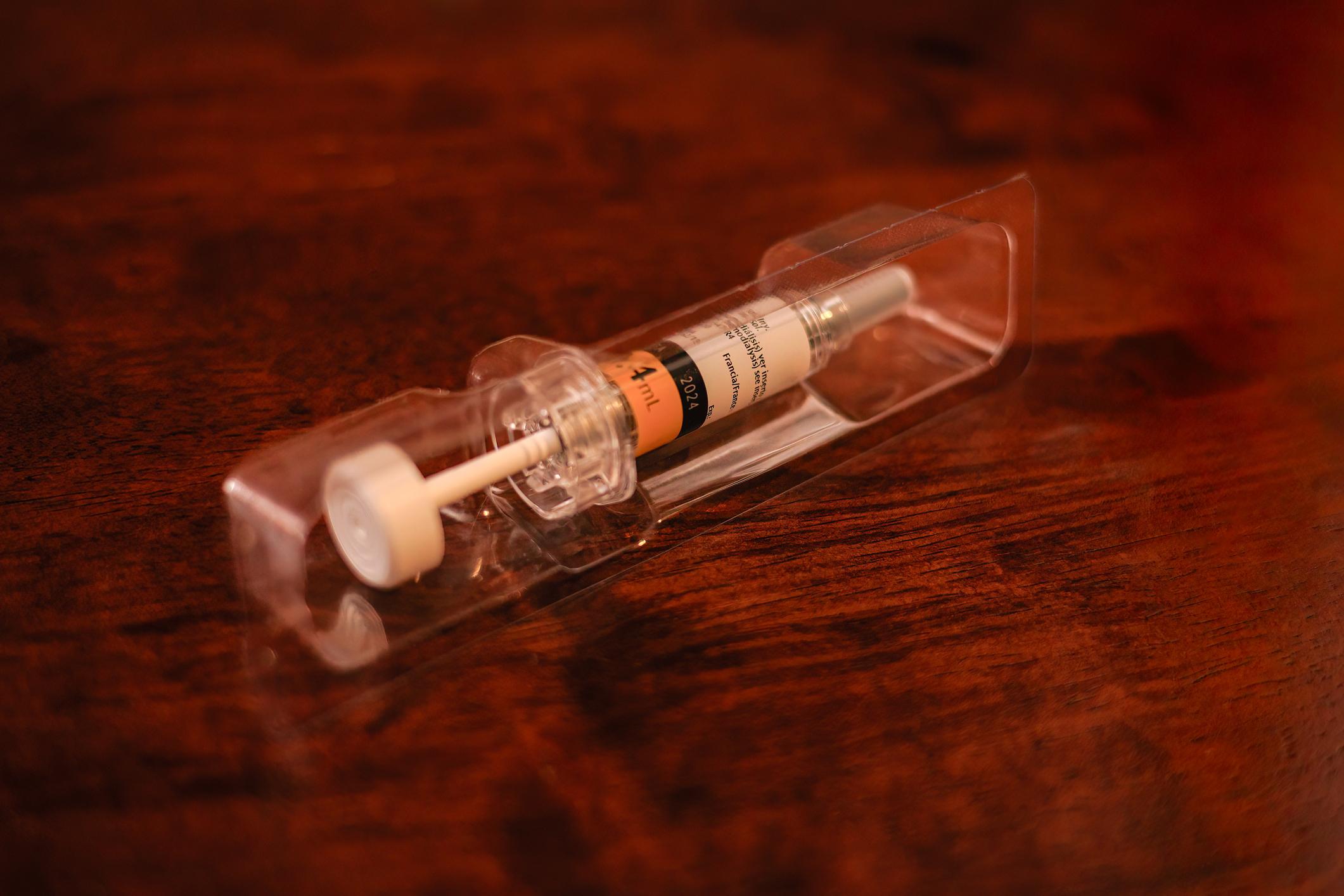
GLP-1s have been around for decades but have recently taken the market by storm, specifically in their capacity as weight-loss aids. Despite their wide-ranging benefits and applications in treating a variety of medical conditions, their ever-increasing availability to the general public raises concerns. This article outlines the mechanisms of action of GLP-1s, considers the health risks they pose to both their intended and unintended target populations, and proposes policy and guideline changes that may prevent harm without limiting access to prescriptions by those whose health may depend on these treatments.
What are GLP-1 Receptor Agonists and How Do They Work?
Glucagon-like peptide-1 (GLP-1) receptor agonists were first identified as insulin-stimulating factors in 1984 and have since been applied as pharmacological treatments for type 2 diabetes, obesity, and polycystic ovary syndrome (PCOS). More recently, they have gained popularity as weight loss aids for people both with and without weight-related health complications.1
Because of their role in the body’s production of insulin, early research on clinical applications of GLP-1s focused on the development of treatments for type 2 diabetes. The first GLP-1 for diabetes — Byetta (exenatide) — received FDA approval in 2005.1 GLP-1s are naturally expressed by tissue throughout the body, including α and ẞ cells, pancreatic islets, intestinal L cells, the central nervous system (CNS), and the pancreatic islets. In diabetic patients, insufficient GLP-1s are released in the intestines and pancreas following glucose intake. Introducing supplemental GLP-1 receptor agonists into the bloodstream via injection promotes activation of receptors in those crucial areas, resulting in inhibition of glucagon secretion and promoting insulin gene transcription.2
The first GLP-1 approved specifically for weight loss, Saxenda (liraglutide), received FDA approval in 2014 for treatment of clinically obese patients experiencing weight-related health complications, such as cardiovascular disease. GLP-1s reduce weight by slowing gastric emptying, suppressing appetite, and signaling satiation of hunger.3 GLP-1s produce these effects by bonding to incretin receptors and acting as enterogastrone — a hormone released when proteins and sugars are in the intestine.4
In treatment of PCOS and infertility, GLP-1s combine their role in insulin production with mechanisms relevant to weight loss. Thus, GLP-1s do not act on root causes of PCOS and infertility but rather reduce the exacerbation of symptoms by obesity. Obesity has not been identified as a symptom or criteria for diagnosis of PCOS. Among women who are both clinically obese and suffering from subfertility, infertility, and/or PCOS, however, GLP-1s may reduce symptomatology and eliminate weight-related causes of infertility.5
Use of GLP-1s poses several risks to overall health, specifically due to their mechanisms of weight reduction. First, delayed gastric emptying interferes with functionality of anesthetics administered in association with surgical procedures, including aspiration. Such complications are relatively easy to prevent, provided that appropriate guidelines for surgical preparation are adopted by both practitioners and patients.6,7 Delayed gastric emptying can also impair absorption, and ultimately efficacy, of oral medications, including those most often co-prescribed with GLP-1s.8 Most adverse effects, however, have emerged as the prescription of these medications has expanded to include “treatment” of primarily aesthetic concerns.
Alternative Channels of Prescription and Compounded GLP-1s: A Policy Loophole
Since 2018, public awareness of, and interest in, GLP-1 weight loss aids has grown dramatically, with prescription rates increasing by 300%.1 Over the past few years, drugs like Ozempic have been made available to a much broader audience, including individuals whose desire for treatment is based primarily on their aesthetic ideals rather than as treatment for a specific health complication of obesity. In response, a massive online market for weight loss medication has emerged, including public access to GLP-1s via telehealth appointments or without appointments altogether.9
These modes of prescription raise serious concerns about patient safety. Patients, unaware of potential risks, may omit crucial information from online consultations or forms, including use of other medications, medical history, weight, and factors relevant to determining the appropriate dose of GLP-1 to address their needs. Because telehealth appointments often do not involve or require comprehensive medical evaluation and divide provision of care between multiple practitioners, these reporting errors may lead to severe side effects, such as aspiration, intestinal obstruction, and diabetic ketoacidosis.
Despite policy and guidelines requiring prospective patients to meet specific eligibility criteria to receive GLP-1 treatment, compounded GLP-1s — which have not received approval from the FDA— are available through telehealth, med spas, and medical aesthetics companies without such restrictions.10 To verify the ease of access to GLP-1 medications, I applied for a prescription through remedymeds.com, a popular site recently featured in a variety of wellness and lifestyle magazines. By simply falsifying my height, weight, and diabetic status, the site determined that I was eligible for GLP-1 treatment, allowed me to select a medication, and took me to the checkout portal. No medical records, appointments, or verification of my health status were required. The site also included out-of-context “data” purportedly from the NIH stating that “80% of people are more attracted to people who appeared leaner and stronger,” and that obesity is one of the largest factors in happiness and well-being.11 No specific studies were cited to support these claims, likely because they are simply not supported by rigorous research.
Why has demand for GLP-1 weight loss aids exploded despite the associated risks? Medications for weight loss have historically been highly desired by the public despite safety concerns, with some having their FDA approval revoked due to inappropriate prescription and use.9 A major driver of such market expansion will almost certainly be public demand for access to effective weight loss medications. To understand why patients — even those who are not clinically obese — are so interested in GLP-1s for weight loss, we must consider the psychological, as well as biological, risks posed by easy access to these medications.
Psychosocial Implications and Risks of GLP-1s
Cultural beauty and body ideals have historically been dictated by the body types, and relationships with food, of social elites. In the past, larger bodies were considered ideal, because wealthy individuals — with greater access to food — had full figures. In the 18th century, conditions associated with overeating and obesity, including gout, were considered desirable and fashionable.12 Over the past century, as health and wellness have become commodified and average body weight has increased, urbanized and high socioeconomic status cultures in particular13 have begun to idealize thinner female bodies and leaner, more muscular male bodies. Because high-quality nutritious foods and sufficient free time to exercise are now luxuries, and cheap, calorie-dense food options are far more accessible, cost effective, and designed by food scientists to maximize cravings, thinness and musculature are signs of social status.14
These ideals are often communicated to the public through marketing, popular media, and social media by conveying the subliminal message that thinner people are more attractive, more deserving of attention, and happier.15 Adolescents are particularly likely to internalize this worldview.15 Marketing tactics used by online GLP-1 providers specifically prey on weight-related insecurities, and imply that use of their products — and a resultantly smaller body — can lead to better relationship outcomes and a happier life. Given the sociological environment, being exposed to advertisements promising a better life for people who lose weight by using GLP-1s, coupled with the ease of access provided by online retailers and limited policy regulating sale of compounded semaglutides, poses a serious risk of exacerbating — or even triggering — eating disorders.16
Because GLP-1s are not currently approved for use in healthy-weight individuals, little research has been conducted on unique risks associated with such use. For people who are not using GLP-1s to treat any specific health condition, however, the known risks certainly outweigh the expected psychological benefit. GLP-1 medications do not prevent weight regain after treatment cessation and de-incentivize healthy methods of weight loss like diet and exercise.17 In populations experiencing disordered eating, including adolescents, access to GLP-1s may prevent effective treatment and make side effects of those disorders worse: both GLP-1 treatment and disordered eating behavior are associated with lean body mass loss, bone damage, and digestive system issues.17,18
In non-disordered eating populations of all ages, access to GLP-1 treatment for weight loss still carries psychological risk. GLP-1s do not prevent weight regain, not do they treat underlying issues (e.g., poor metabolic flexibility, hormone imbalance) that make traditional weight loss through exercise and diet challenging.19 Thus, GLP-1s provide an “easy way out,” which may further de-incentivize healthy lifestyle changes crucial for weight maintenance. Especially in children, treatment of obesity or high body weight using GLP-1s may make healthy eating and exercise habits more difficult to develop later in life, leaving individuals with two options: stay on a GLP-1 forever or engage in unhealthy eating habits such as heavily restricting calorie intake, excessive exercising, or bingeing and purging food — all hallmarks of eating disorders. This possibility should be quite concerning, given that approximately 9% of people diagnosed with an eating disorder will die of related causes.
Policy and Regulation of GLP-1s: Next Steps
Policy and guidelines regarding prescription do not currently apply to compounded GLP-1s, and the telehealth and med spa industries are more than happy to meet popular demand for these medications despite associated risks. Drugs are being disseminated broadly, often without appropriate consideration of patients’ health history or current condition. In addition to the physiological risks associated with use of GLP-1s, their potential as an “easy way” to lose weight may make healthy, lasting weight loss less appealing and more challenging and as a result may leave people more likely to explore other alternatives to diet and exercise, including disordered eating behaviors.
Minimizing harm done by underregulated providers delivering GLP-1s to anyone who wants them will be no easy feat. Unfortunately, recent research and media coverage of GLP-1 regulations and policy promote wider accessibility, rather than more stringent criteria for access.20,21 This is likely in part due to the lack of research on consequences of GLP-1 use among healthy adults and adolescents — these drugs simply have not been sought out and used by the general public long enough for long-term effects and psychological risks to be rigorously analyzed.
It is notoriously difficult to regulate “medications” used outside their FDA-approved applications. Med spas have long administered treatments such as Botox without government oversight.22 It seems more than likely that unapproved uses of GLP-1 medications will prove equally difficult to regulate. However, some suggestions have been made:
Make sure regulatory compliance is good for business: Provide direct incentives to companies selling non-commercial GLP-1s to encourage compliance with policy and guidelines.10
Educate patients about risks associated with GLP-1 use: Marketing by telehealth and med spa companies consistently focuses almost exclusively on advertising the benefits of GLP-1s, while overlooking or minimizing the potential risks. By educating the public about those risks, interest non-clinical indicated use of weight loss drugs may decrease.10
Introduce federal regulations on compounded GLP-1s: The Obesity Action Coalition (OAC) and The Obesity Society (TOS), along with the Alliance for Women’s Health and Prevention, among others, requested in March 2025 that the FDA introduce policy and regulations to ensure patients have access to safe, FDA-approved medication.23 Such regulations would also make it far more difficult for companies to disseminate compounded GLP-1s to healthy individuals who are not appropriate candidates for treatment.
Incentivize impartial, preclinical research into long-term effects of GLP-1 use by the general public and in children and adolescents: In order to make an effective case for policy and regulation change, data must first be collected and analyzed by impartial research groups. A major challenge at this stage is that we simply do not know what the long-run effects of GLP-1s are outside of the populations they were initially approved to treat, nor do we know how widespread access may affect at-risk groups psychologically.
Conclusions
GLP-1s are — when appropriately prescribed — practically a miracle drug, effectively combatting symptoms of diabetes, cardiovascular disease, PCOS, and obesity. However, they are also very attractive as weight loss mechanisms to the general population, many of whom do not require treatment for specific health concerns.
To balance their tremendous benefits against potential short- and long-run harm, we must encourage compliance with policy and guidelines for drug dissemination among non-clinical providers, provide public education about the benefits and risks of GLP-1 use, and incentivize research aimed at understanding the psychical and psychosocial risks posed by widespread non-clinical use of GLP-1s. Finally, and most importantly, researchers, clinicians, and pharmaceutical industry representatives must work together to build a case for policy changes geared toward curtailing unnecessary, non-clinical applications of these drugs.
References
1. Dorrell, Megan. “Rx history: The rise of GLP-1s.” Innovative Rx Strategies. 25 Jan. 2024.
2. Wen, Song, et al. "An overview of similarities and differences in metabolic actions and effects of central nervous system between glucagon-like peptide-1 receptor agonists (GLP-1RAs) and sodium glucose co-transporter-2 inhibitors (SGLT-2is)." Diabetes, Metabolic Syndrome and Obesity. 14: 2955—2972 (2021).
3. Kumar Singh, Amit. “What are GLP-1 receptor agonists and how do they work?” SheMed Blog. 11 Jul. 2025.
4. Marathe, Chinmay S et al. “Effects of GLP-1 and incretin-based therapies on gastrointestinal motor function.” Experimental Diabetes Research. 2011: 279530 (2011).
5. Etrusco, Andrea, et al. "Incretin hormone secretion in women with polycystic ovary syndrome: roles of obesity, insulin sensitivity and treatment with metformin and GLP-1s." Biomedicines. 12: 653 (2024).
6. Jalleh, Ryan J., et al. "Gastrointestinal effects of GLP-1 receptor agonists: mechanisms, management, and future directions." The Lancet Gastroenterology & Hepatology. 9: 957—964 (2024).
7. Leobardo Fortis-Olmedo, Luis, et al. "Semaglutide and delayed gastric emptying: case report and analysis of anesthetic implications." Colombian Journal of Anesthesiology/Revista Colombiana de Anestesiología. 53:1137 (2025).
8. Hooper, Levi, Shuhan Liu, and Manjunath P. Pai. "GLP‐1RA‐induced delays in gastrointestinal motility: Predicted effects on coadministered drug absorption by PBPK analysis." Pharmacotherapy: The Journal of Human Pharmacology and Drug Therapy. 45: 211—219 (2025).
9. Bursick, Andrew. An Analysis of Safety Risks Associated with GLP-1 RA Use in the Direct-to-Consumer Telehealth Model Compared to Traditional Care Model. Diss. Northeastern University. 2025.
10. Conley, Michael. “Ensuring safety and compliance when prescribing GLP-1 drugs in online healthcare.” Medical Economics. 22 Jan. 2025.
11. remedymeds.com
12. Kwok, Tiffany. "Give me gout or give me death: the rise of gout in the eighteenth century." The Proceedings of the 17th Annual History of Medicine Days, March 7th and 8th, 2008 Health Sciences Centre, Calgary, AB. 2008.
13. Swami, Viren. "Cultural influences on body size ideals: Unpacking the impact of Westernization and modernization." European Psychologist. 20: 44–51 (2015).
14. Martínez-Quiñones, José Vicente, and Ignacio Jáuregui-Lobera, eds. Eating-Pathology and Causes: Pathology and Causes. BoD–Books on Demand, 2024.
15. Suhag, Khushi, and Shyambabu Rauniyar. "Social media effects regarding eating disorders and body image in young adolescents." Cureus. 16: e58674 (2024).
16. Frisbie, Madyson R. "The Danger Online Pharmacies Pose on Clientes with Eating Disorders in the Prescription of GLP-1 Agonists for Weight Loss." (2024).
17. Reiss, Allison B., et al. "Weight Reduction with GLP-1 Agonists and Paths for Discontinuation While Maintaining Weight Loss." Biomolecules 15.3: 408 (2025).
18. Todisco, Patrizia, and Paolo Meneguzzo. "Understanding Bone Density Loss in Eating Disorders: Contributions of Weight Suppression and Speed of Weight Loss." Journal of Clinical Medicine. 13: 7537 (2024).
19. Oliver, James. "The GLP-1 Illusion: Weight Loss Without Metabolic Health." Authorea Preprints. 28 Feb. 2025.
20. Philips, Ryan. The Case for Expanding Access to GLP-1s: Should Everyone Get Ozempic? Diss. Johns Hopkins University, 2025.
21. Hempstead, Katherine. "GLP-1 Coverage In State-Regulated Markets: A Turbulent Atmosphere With No Sign Of Calming." Health Affairs Forefront. 14 May 2025.
22. Corns, Chris, and Shuai Wang. "Regulating botox." Law Institute Journal. 98: 26–29 (2024).
23. Lewis, Truman. “Time to crack down on compounded GLP-1 drugs, health groups say.” Consumer Affairs. 21 Mar. 2025.