
Key Takeaways
Lipid nanoparticles have helped validate nanoparticle-enabled delivery, but they are not a universal solution for every advanced therapeutic payload.
Polymeric nanoparticles, exosomes, virus-like particles, lipid–polymer hybrid nanoparticles, and inorganic carriers each offer distinct delivery advantages and development challenges.
Successful next-generation drug delivery depends on matching the platform to the payload, route of administration, target tissue, and therapeutic objective.
CMC considerations, including reproducibility, particle characterization, stability, scale-up, and control strategy, are central to translating novel delivery platforms into developable products.
Regulatory readiness for nanomaterial-containing drug products begins with clear product definition, measurable critical quality attributes, and early alignment between formulation, process, analytical, and regulatory strategy.
The Delivery Question After LNPs
Lipid nanoparticles (LNPs) have changed expectations for advanced drug delivery. Their role in messenger RNA (mRNA) delivery, including the development of LNP–mRNA COVID-19 vaccines, helped move nanoparticle-enabled therapeutics from a specialized formulation concept into the center of modern drug development strategy.1 That progress has also sharpened a broader question: what comes next?
The answer is unlikely to be a single replacement platform. LNPs are not a universal delivery solution, and neither are the emerging alternatives now drawing attention. Polymeric nanoparticles, exosomes, virus-like particles (VLPs), lipid–polymer hybrid nanoparticles (LPHNPs), and inorganic carriers each offer distinct design possibilities, but each also brings its own development burden. The next stage of delivery innovation will depend less on identifying one superior technology than on matching the delivery architecture to the payload, route of administration, target tissue, therapeutic objective, manufacturing process, analytical strategy, and regulatory pathway.
That distinction matters because drug delivery is often discussed in discovery terms long before it is tested in development terms. A carrier may protect a payload, improve uptake, enable surface modification, or provide triggered release in a research setting, but a developable product must do more. It must be made reproducibly, characterized sufficiently, controlled through scale-up, and evaluated as a finished dosage form. U.S. Food and Drug Administration (FDA) guidance for drug products, including biological products, that contain nanomaterials emphasizes that these products may have attributes that differ from non-nanomaterial products and that those attributes may warrant particular examination during development.2 For sponsors and development partners, the delivery question therefore extends beyond whether a platform works biologically. It includes whether the platform can become a controllable product.
From Platform Novelty to Platform Fit
The growing delivery landscape reflects the diversity of modern therapeutic payloads. Small molecules, proteins, peptides, nucleic acids, imaging agents, immunotherapies, and gene-editing components may all require different forms of protection, localization, release, or cellular access. Even within nucleic acid delivery, the needs of mRNA, small interfering RNA, plasmid DNA, and gene-editing systems may differ by size, stability, intracellular destination, dosing route, and tolerability requirements. A delivery platform that suits one payload may be poorly suited to another, even if both are described broadly as nanoparticle-based medicines.
That is why platform selection should begin with the therapeutic problem rather than the carrier itself. The central questions are practical: what does the payload need to survive, where does it need to go, how long does it need to persist, what biological barriers must it cross, and what product attributes can be measured and controlled? Nanoparticulate nanomedicines can support several delivery strategies, including solubilization, passive targeting, active targeting, and triggered release, but those mechanisms create different demands for formulation design, characterization, and evidence generation.3 The more complex the intended delivery behavior, the more important it becomes to define the product attributes that are expected to drive that behavior.
This is also where chemistry, manufacturing, and controls (CMC) considerations become central. Nanoparticle products are often highly sensitive to materials, assembly conditions, particle size, surface properties, loading efficiency, and stability. FDA CMC materials on nanomaterial-containing drug products highlight the importance of understanding analytical methods, characterization, process risks, control strategy, particle-size impact on performance, stability, and life cycle control.4 Those expectations are not separate from platform selection. They are part of it.
In this context, the search beyond LNPs is best understood as a search for fit. Polymeric nanoparticles offer tunability. Exosomes offer a biologically derived transport logic. VLPs offer structured protein scaffolds. LPHNPs combine design features from lipid and polymeric systems. Inorganic carriers add functional material properties that may support imaging, triggered release, or targeted delivery. None of these attributes is sufficient on its own. Each must be evaluated against the full path from formulation concept to regulated product.
Polymeric Nanoparticles and the Value of Tunability
Polymeric nanoparticles are among the most versatile alternatives under investigation because their physicochemical properties can be engineered across multiple dimensions. Their size, shape, architecture, charge, and surface functionality can be modified, creating opportunities to design carriers around payload protection, release behavior, tissue interaction, and surface-mediated targeting.5 That flexibility gives polymeric systems a broad design space, particularly when the delivery challenge requires more than simple encapsulation.
The appeal of polymeric nanoparticles begins with control. A polymer-based carrier can be designed to influence degradation, release kinetics, hydrophobicity, charge, and interaction with biological environments. Those design choices may be useful for sustained release, protection of labile payloads, or surface functionalization strategies intended to alter biodistribution or uptake. Recent reviews of polymeric nanoparticles in targeted drug delivery also emphasize formulation innovation, fabrication approaches, characterization, and the ongoing challenges associated with bringing these systems closer to clinical use.6
The same breadth that makes polymeric nanoparticles attractive also makes them difficult to generalize. “Polymeric nanoparticle” is not a single product class with one set of development assumptions. Different polymers, architectures, manufacturing methods, payloads, and routes of administration can create different critical quality attributes (CQAs). A formulation strategy based on biodegradation may need different characterization than one based on surface ligand targeting. A system intended for sustained local release may require different evidence than one intended for systemic delivery.
For development teams, the key issue is whether tunability can be converted into control. Polymer selection, particle formation, residual materials, loading efficiency, release testing, particle-size distribution, surface characteristics, and stability may all become central to the product strategy. If those attributes are not identified early, the flexibility of the platform can become a liability. Too many adjustable variables can complicate comparability, scale-up, and regulatory justification.
Polymeric nanoparticles therefore fit naturally into a formulation and process development narrative. Their potential lies not only in the ability to design different carrier structures, but in the ability to define which features matter for a given product and then build a process around them. For contract development and manufacturing organizations (CDMOs), this creates an opportunity to support sponsors through material selection, formulation screening, process optimization, analytical method development, and scale-up planning. The value is not simply in offering a polymeric platform. It is in reducing the design space to a controllable product space.
Exosomes and the Challenge of Biological Complexity
Exosomes represent a different delivery logic. Rather than beginning with a synthetic carrier, exosome-based delivery draws on extracellular vesicles released by cells. Exosomes are small extracellular vesicles that can transport proteins, nucleic acids, and lipids, which makes them attractive as biologically derived delivery vehicles.7 Their natural role in intercellular communication has encouraged interest in their use for therapeutic cargo delivery, particularly where biological compatibility or cellular interaction is central to the delivery concept.
That biological origin is also the source of much of their development complexity. Exosomes are not simple particles assembled from a short list of defined components. Their composition can reflect cell source, production conditions, isolation methods, purification processes, and cargo-loading strategy. As a result, exosome-based delivery raises questions that are both biological and operational. Developers must consider not only whether an exosome can carry a therapeutic payload, but whether exosome preparations can be produced, purified, characterized, loaded, stored, and released consistently.
Several of the major challenges are already clear. Exosome-based delivery faces limitations related to isolation and purification, low therapeutic cargo loading efficiency, insufficient targeted delivery, and rapid elimination in circulation.7 Additional considerations include scale-up, extraction, purification, stability, cargo loading, quality control, good manufacturing practice (GMP) requirements, batch-to-batch variation, and clinical translation barriers.8 These are not secondary issues. They are central to whether exosome-based systems can move from biological rationale to practical therapeutic development.
The exosome field illustrates a broader lesson for next-generation delivery. Biologically inspired systems can appear compelling because they resemble or repurpose natural transport mechanisms, but biological complexity does not remove the need for product definition. In some respects, it increases that need. A synthetic nanoparticle may be difficult to optimize, but an exosome-based product may be difficult to define. The more heterogeneous the starting material and process, the more demanding the analytical strategy becomes.
A rigorous exosome development program must therefore connect biological function to measurable product attributes. Cell source, vesicle identity, purity, potency, cargo loading, surface markers, stability, and impurity profile may all influence the product’s performance and risk profile. Without a clear control strategy, it may be difficult to compare batches, justify process changes, or establish that the final product is sufficiently consistent for clinical development.
For CDMOs and specialized development partners, exosomes may create an acute need for integrated process and analytical capabilities. Isolation, purification, cargo loading, and release testing cannot be treated as disconnected steps. They must be developed together so that the final product can be controlled despite the complexity of its biological origin. Exosomes may ultimately prove useful in specific delivery contexts, but their progress will depend on whether the field can translate biological promise into reproducible manufacturing and quality frameworks.
VLPs as Engineered Protein Scaffolds
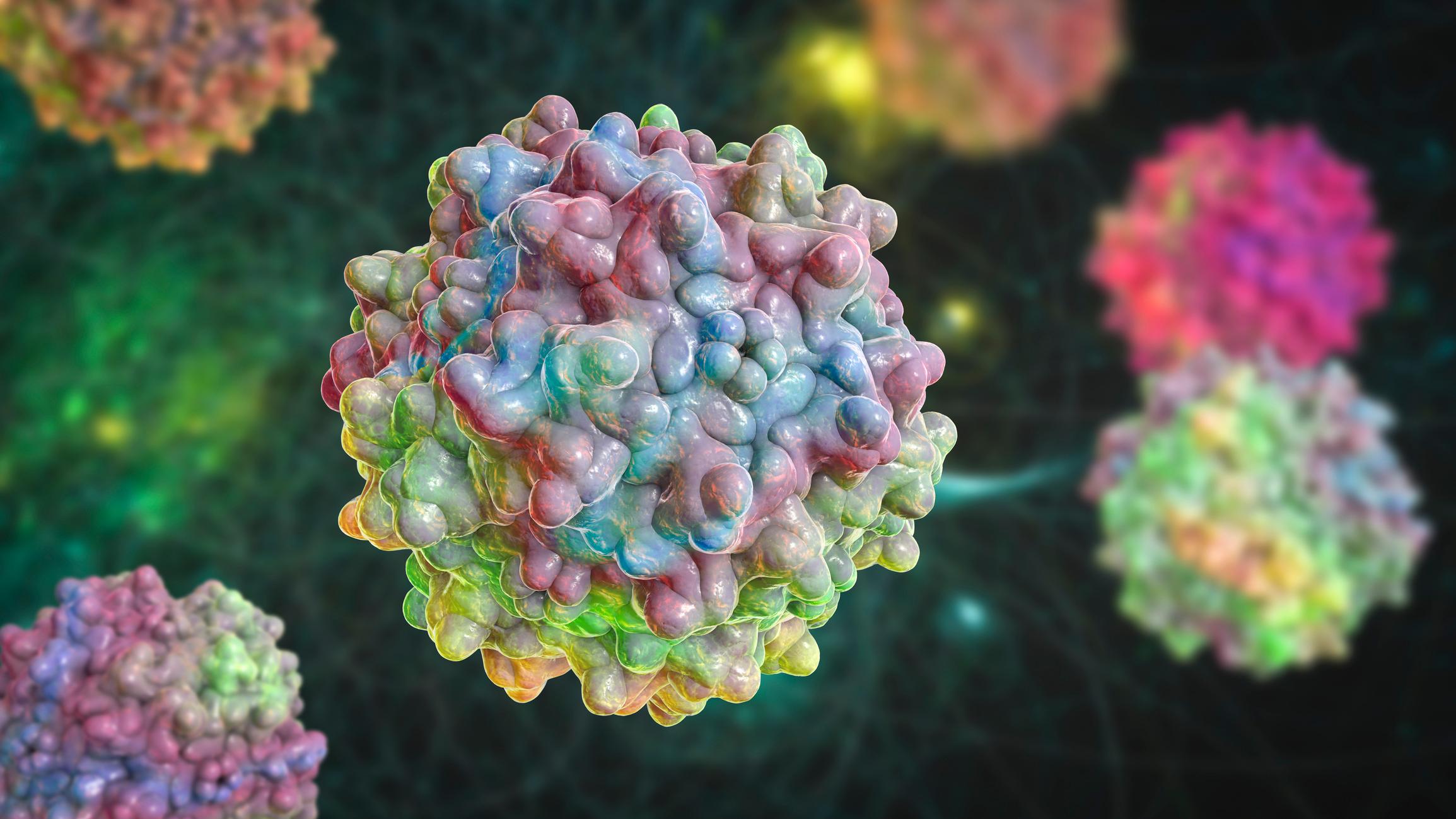
VLPs offer another biologically inspired approach, but their design logic differs from exosomes. VLPs are self-assembling protein nanoparticles derived from viruses, but they do not retain infection or replication capabilities.9 Their appeal as delivery systems is tied to their structured architecture, nanoscale organization, and potential for engineering. Because they are protein assemblies, they can provide defined surfaces and internal spaces that may be adapted for cargo loading, activation, and release.
The distinction between viral origin and viral function is important. VLPs borrow structural features from viruses without functioning as infectious viral particles. That makes them attractive as scaffolds for delivery applications, particularly where uniformity, surface chemistry, and modular engineering are valuable. Reviews of VLP delivery systems discuss platform engineering as well as methods for cargo loading, activation, and release.9 These features position VLPs as more than passive carriers. They can be designed as structured delivery vehicles.
At the same time, VLPs bring development questions that resemble those associated with complex biologics. Their production may depend on expression systems, self-assembly, purification, and maintenance of structural integrity. Small changes in production or purification conditions may affect particle assembly, cargo loading, surface presentation, or stability. A VLP intended for delivery must therefore be characterized not only as a particle, but as a protein-based structure with attributes that relate to its intended function.
The most compelling use cases for VLPs may emerge where their architecture provides a specific advantage. Surface display, internal cargo encapsulation, and engineered release mechanisms could be useful in applications where a defined protein scaffold offers more control than less structured carriers. However, those advantages must be evaluated alongside manufacturability, immunogenicity considerations, stability, and analytical complexity. A VLP may be elegant in design, but the product still must be produced consistently and tested with methods that capture the attributes relevant to safety and performance.
For the delivery field, VLPs reinforce the importance of architecture. LNPs, polymeric nanoparticles, exosomes, and inorganic carriers all rely on different structural principles. VLPs add a protein-scaffold model, in which assembly and engineering become central to the carrier’s identity. That identity must be preserved through development. If the particle structure defines the product’s delivery function, then structural characterization and process control become core CMC concerns rather than supporting details.
Hybrid Nanoparticles for Hybrid Delivery Needs
LPHNPs occupy a middle ground between lipid-based and polymer-based systems. They are core–shell nanostructures that combine design elements from liposomes and polymeric nanoparticles, often involving a polymeric core surrounded by a lipid layer.10 That architecture reflects a practical development impulse: when one platform family cannot provide all desired properties, a hybrid system may offer a way to combine complementary features.
The rationale for LPHNPs is straightforward. A polymeric core may support structural integrity, payload retention, or controlled release, while a lipid layer may influence biocompatibility, surface behavior, or interaction with biological membranes. LPHNPs have been explored for drug delivery, active targeting, DNA/RNA delivery, diagnostic imaging, and cancer therapeutics.10
The benefit of hybridization is design flexibility. LPHNPs may allow developers to adjust the core, shell, surface, and payload environment separately, creating options that are not available with simpler carrier structures. That may be useful for co-delivery, combination payloads, controlled release, or surface functionalization. Hybrid systems can also provide a conceptual bridge for developers familiar with lipid and polymeric technologies but seeking additional performance characteristics.
However, hybridization also increases the number of attributes that must be understood. A single-component carrier may be challenging enough to characterize. A core–shell system raises additional questions about core composition, lipid-layer integrity, particle morphology, surface properties, payload distribution, release behavior, and stability. If the performance of the product depends on the interaction between the polymeric and lipid components, then those interactions must be controlled during manufacturing and storage.
This makes LPHNPs a useful example of the broader movement from simple encapsulation to engineered delivery systems. Their promise does not lie only in being “both lipid and polymer.” It lies in whether the hybrid architecture can solve a defined delivery problem better than either component system alone. That determination requires comparative formulation work, analytical rigor, and a clear understanding of which product attributes drive performance.
For development partners, LPHNPs may require close coordination among formulation science, process engineering, analytical development, and regulatory strategy. The core and shell cannot be optimized in isolation if their interaction determines product behavior. Early development should therefore focus on identifying the minimum necessary complexity. A hybrid carrier should be as complex as the therapeutic problem requires, but no more complex than the product can support.
Inorganic Carriers and Functional Material Design
Inorganic carriers expand the delivery landscape by introducing materials whose value may come from physicochemical, mechanical, magnetic, optical, or surface-modification properties. Reviews of inorganic nanoparticles for drug delivery discuss materials such as gold, silver, graphene-based nanoparticles, hydroxyapatite, iron oxide, zinc oxide (ZnO), and cerium oxide (CeO₂), as well as gold nanoparticles, magnetic nanoparticles, upconversion nanoparticles, and mesoporous silica nanoparticles, as potential drug-carrier systems.11,12
The appeal of inorganic carriers is different from that of biologically derived or polymeric systems. Inorganic materials may offer functions that are difficult to achieve with purely organic carriers, including imaging compatibility, magnetic behavior, optical properties, or stimulated release. In cancer-oriented applications, inorganic nanoparticle-based strategies have been discussed for site-specific accumulation, targeted delivery, and stimulated drug release.12 Other studies highlight local delivery to affected cells and the potential to modify inorganic nanoparticle surfaces with ligands for target-site attraction.11
These capabilities make inorganic carriers attractive for applications where delivery and function may overlap. A carrier might support therapeutic delivery while also enabling imaging, localization, or external triggering. Such multifunctionality can be appealing in precision medicine, oncology, and other settings where treatment, monitoring, and localization are closely connected. However, multifunctionality also creates development complexity. Each function adds a product attribute that may need to be characterized, controlled, and justified.
The development questions for inorganic carriers often center on material behavior in biological systems. Surface chemistry, particle size, homogeneity, functionalization, biodistribution, persistence, and clearance may all be central to safety and performance. For example, homogeneity, including size distribution and uniform functionalization, has been identified as important for translating inorganic nanoparticle–based cancer therapies into clinical applications.12 That point is especially relevant for materials whose properties may change with small variations in synthesis or surface modification.
Inorganic carriers should therefore be framed carefully. They are not simply another class of nanoparticles competing with LNPs. They represent a material-design approach to delivery, one in which the carrier’s physical and chemical properties may be integral to its function. That can create valuable opportunities, but it also raises the burden of characterization. Developers must be able to explain what the material is, how it behaves, how it changes during manufacturing or storage, and how its attributes relate to biological performance.
The CMC Test for Next-Generation Delivery
Across these platform classes, the same development challenge appears repeatedly: a delivery system must be defined well enough to be manufactured, tested, released, and regulated. The details vary by platform, but the underlying CMC logic is consistent. A nanoparticle product is not only a therapeutic payload inside a carrier. It is a complete dosage form whose attributes may determine safety, efficacy, stability, and consistency.
Several attributes may become central depending on the platform and product design. These can include particle size and size distribution, morphology, surface charge, purity, loading or encapsulation efficiency, surface coating, ligand density, release behavior, stability, and batch-to-batch consistency. Reviews of nanoparticulate nanomedicine translation emphasize the importance of reproducible preparation and characterization as products move toward clinical development and commercialization.3 FDA materials similarly emphasize analytical methods, characterization, process risks, control strategy, particle-size impact on performance, stability, and life cycle control for nanomaterial-containing drug products.4
This CMC burden is not a reason to avoid next-generation delivery platforms. It is a reason to integrate development thinking earlier. A platform may be selected because it improves biological performance, but it must also be selected with a view toward process feasibility and analytical clarity. If a delivery system requires a highly specific surface composition, then surface characterization cannot be deferred. If release behavior is central to the mechanism, then release testing must be meaningful. If particle size affects biodistribution or performance, then size control and measurement must be robust.
The issue becomes more important as delivery systems become more complex. Exosomes may require identity, purity, and potency strategies that account for biological heterogeneity. VLPs may require structural and assembly characterization. LPHNPs may require control over both core and shell. Inorganic carriers may require detailed material and surface analysis. Polymeric nanoparticles may require careful assessment of polymer properties, degradation, release, and residuals. Each platform brings a different CMC profile, but none avoids the need for product definition.
For CDMOs, this creates a strategic role that extends beyond manufacturing capacity. Drug developers may need help translating delivery concepts into developable product strategies. That can include selecting materials, designing scalable processes, building analytical methods, identifying CQAs, defining control strategies, and preparing documentation that supports regulatory interactions. In the delivery field, the most valuable partner may be the one that can connect formulation creativity to CMC discipline.
Regulatory Readiness Starts With Product Definition
Regulatory readiness begins with the ability to describe the product. For nanomaterial-containing drug products, that description may be more complex than for conventional formulations because the carrier can influence distribution, release, stability, cellular interaction, and overall performance. FDA guidance applies to human drug products, including biological products, in which a nanomaterial is present in the finished dosage form.2 That framing is important because it places the nanomaterial within the final product rather than treating it as an isolated technology.
This perspective should shape development from the beginning. Drug developers should not wait until late development to ask how a delivery platform will be characterized or justified. The questions that matter to regulators are often the same questions that matter to process scientists and analytical teams: which attributes are critical, how are they measured, how are they controlled, and how might changes in materials or process affect product performance? When a delivery system is complex, comparability and life cycle management become especially important.
Regulatory agencies have also continued to develop nanomedicine-specific guidance and reflection materials. The FDA maintains nanotechnology guidance documents that include drug products containing nanomaterials and liposome drug products, while the European Medicines Agency (EMA) provides multidisciplinary nanomedicine guidelines intended to help developers prepare marketing authorization applications for human medicines.13,14 An EMA horizon-scanning report also notes that nanotechnology-based medicinal products in the European Union are regulated under existing medicines legislation, complemented by EMA reflection papers.15 These sources support a practical conclusion: novel delivery platforms may require specialized scientific justification, but they still move through established product-development and regulatory systems.
For emerging delivery technologies, this means that regulatory strategy should not be separated from platform design. A sponsor developing an exosome-based product, a VLP, an LPHNP, a polymeric nanoparticle, or an inorganic carrier should be asking from the outset how the final product will be specified. That includes the carrier, the payload, the interaction between them, the manufacturing process, the analytical package, the stability program, and the rationale connecting product attributes to intended performance.
This is where the delivery field often faces a cultural challenge. Discovery teams may focus on biological activity, while CMC and regulatory teams focus on reproducibility and control. Next-generation delivery platforms require those perspectives to converge earlier. The product cannot be optimized biologically first and defined later if its biological function depends on complex particle attributes. Product definition is part of product design.
Building Delivery Platforms for Development, Not Just Discovery
The search beyond LNPs reflects real scientific opportunity. Polymeric nanoparticles can be engineered across a wide design space. Exosomes may provide biologically derived transport capabilities. VLPs offer structured protein assemblies that can be engineered for delivery. LPHNPs allow developers to combine lipid and polymeric design features. Inorganic carriers introduce functional material properties that may support targeting, imaging, or triggered release. Each platform expands the delivery toolbox.
The more important question is how that toolbox is used. A platform should not be chosen because it is novel, fashionable, or broadly promising. It should be chosen because its attributes match the therapeutic problem and because those attributes can be translated into a controllable product. That requires early attention to payload compatibility, route of administration, target tissue, release behavior, stability, safety, manufacturability, and regulatory expectations.
This approach also changes the role of development partners. As delivery platforms become more specialized, sponsors may need partners that can evaluate platform fit rather than simply execute a predetermined formulation plan. That may include helping sponsors decide whether a simpler system can meet the product need, whether a hybrid system adds meaningful value, whether a biologically derived carrier can be controlled adequately, or whether a multifunctional inorganic carrier creates more complexity than the program can justify.
The next generation of delivery will likely be plural. LNPs will remain important, but they will sit within a larger landscape of carrier systems designed for different payloads, tissues, routes, and therapeutic goals. The platforms that advance will be those that combine biological rationale with manufacturable, measurable, and regulatorily coherent product design. In that sense, the future of delivery will be shaped not only by new materials and architectures, but by the discipline required to turn them into medicines.
References
1. Hou, Xucheng, et al. “Lipid Nanoparticles for mRNA Delivery.” Nature Reviews Materials. 6: 1078–1094 (2021).
2. Drug Products, Including Biological Products, that Contain Nanomaterials: Guidance for Industry. U.S. Food and Drug Administration. Apr. 2022.
3. Hua, Susan, et al. “Current Trends and Challenges in the Clinical Translation of Nanoparticulate Nanomedicines: Pathways for Translational Development and Commercialization.” Frontiers in Pharmacology. 9: 790 (2018).
4. Stephens, Olen. “Developing Drug Products Containing Nanomaterials: CDER CMC Perspective.” U.S. Food and Drug Administration. 11 Oct. 2022.
5. Beach, Maximilian A, et al. “Polymeric Nanoparticles for Drug Delivery.” Chemical Reviews. 124: 5505–5616 (2024).
6. Eltaib, Lina. “Polymeric Nanoparticles in Targeted Drug Delivery: Unveiling the Impact of Polymer Characterization and Fabrication.” Polymers. 17: 833 (2025).
7. Koh, Hee Byung, et al. “Exosome-Based Drug Delivery: Translation from Bench to Clinic.” Pharmaceutics. 15: 2042 (2023).
8. Palakurthi, Sushesh Srivatsa, et al. “A Comprehensive Review of Challenges and Advances in Exosome-Based Drug Delivery Systems.” Nanoscale Advances. 6: 5803–5826 (2024).
9. Ikwuagwu, Bon, and Danielle Tullman-Ercek. “Virus-Like Particles for Drug Delivery: A Review of Methods and Applications.” Current Opinion in Biotechnology. 78: 102785 (2022).
10. Mukherjee, Anubhab, et al. “Lipid–Polymer Hybrid Nanoparticles as a Next-Generation Drug Delivery Platform: State of the Art, Emerging Technologies, and Perspectives.” International Journal of Nanomedicine. 14: 1937–1952 (2019).
11. Unnikrishnan, Gayathri, et al. “Exploration of Inorganic Nanoparticles for Revolutionary Drug Delivery Applications: A Critical Review.” Discover Nano. 18: 157 (2023).
12. Wang, Fenglin, et al. “Recent Advances on Inorganic Nanoparticle-Based Cancer Therapeutic Agents.” International Journal of Environmental Research and Public Health. 13: 1182 (2016).
13. “Nanotechnology Guidance Documents.” U.S. Food and Drug Administration. 23 Mar. 2018.
14. “Multidisciplinary Guidelines: Nanomedicines.” European Medicines Agency.
15. Nanotechnology-Based Medicinal Products for Human Use: EU-IN Horizon Scanning Report. European Medicines Agency. Jan. 2025.