Key Takeaways
Antibody–drug conjugates (ADCs) have traditionally relied on highly potent cytotoxic payloads, but limitations, such as resistance mechanisms and toxicity management, are driving interest in new payload strategies.
Immune-stimulating antibody conjugates (ISACs) deliver innate immune agonists, such as Toll-like receptor (TLR) or STING activators, to tumors, enabling localized immune activation within the tumor microenvironment.
Antibody–oligonucleotide conjugates (AOCs) combine monoclonal antibodies with siRNA or antisense oligonucleotides to enable targeted gene-silencing approaches that extend antibody conjugate technology beyond cytotoxic mechanisms.
Expanding payload diversity increases the technical complexity of conjugate development, requiring advanced conjugation chemistry, analytical characterization, and specialized manufacturing capabilities.
As payload options expand, antibody conjugates are emerging as flexible therapeutic delivery platforms capable of supporting multiple precision-medicine modalities, including immunotherapy, RNA therapeutics, and targeted protein degradation.
Antibody Conjugates as Programmable Therapeutic Delivery Platforms
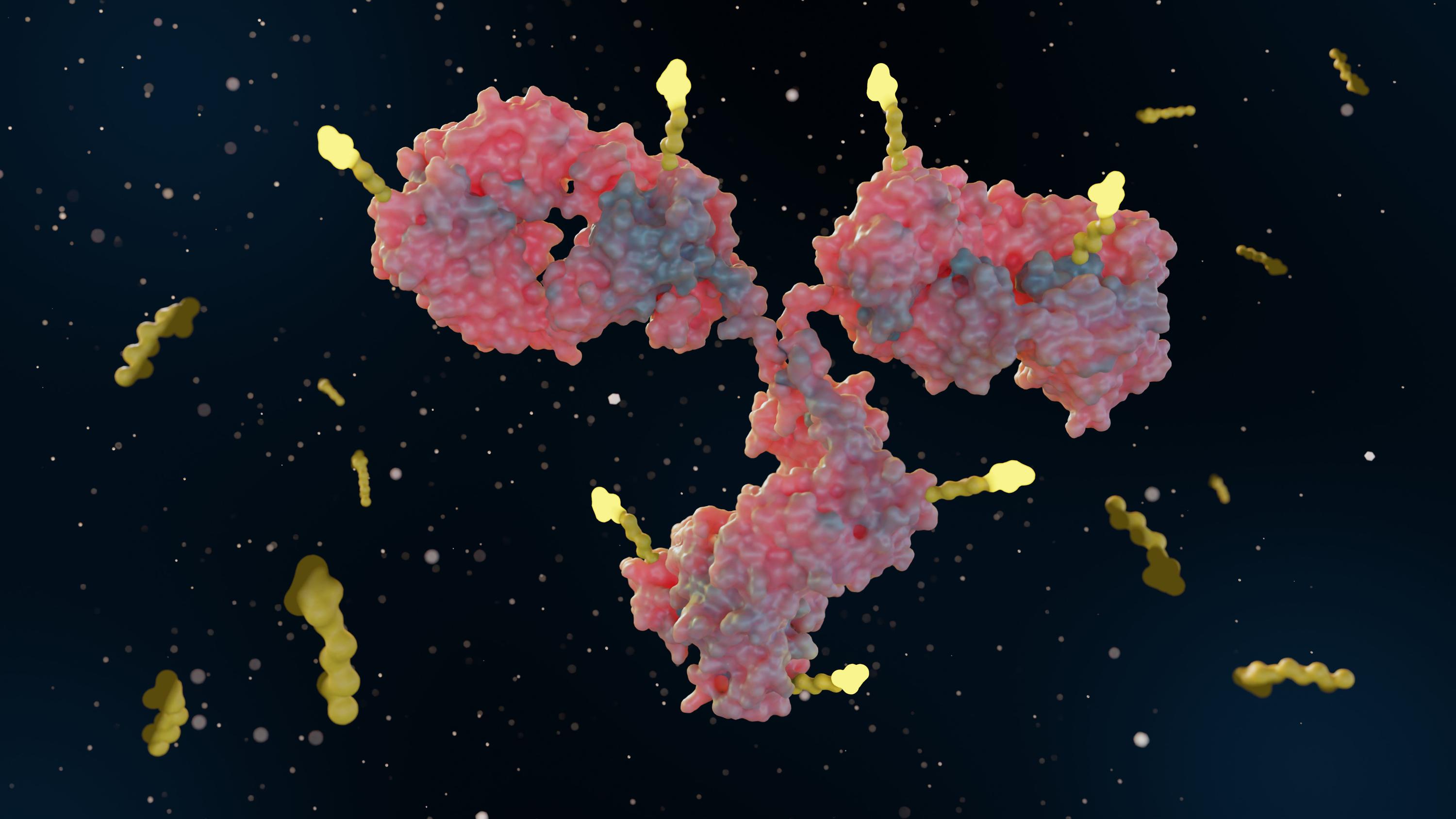
Antibody–drug conjugates (ADCs) have become an established strategy for targeted cancer therapy by combining the molecular recognition capabilities of monoclonal antibodies with the potency of highly active small molecule drugs. In these constructs, antibodies directed against tumor-associated antigens serve as delivery vehicles that transport cytotoxic compounds directly to malignant cells, allowing therapeutic activity to be concentrated at disease sites while reducing exposure to healthy tissues.1 This architecture typically consists of three core components: a targeting antibody, a chemical linker, and a pharmacologically active payload. The success of ADCs in oncology reflects advances in antibody engineering, conjugation chemistry, and payload design that together enable selective delivery of drugs that would otherwise be too toxic for systemic administration.
For most of the modality’s history, ADC payloads have been drawn from a relatively small set of extremely potent cytotoxic drug classes. These molecules, which include microtubule inhibitors and DNA-damaging agents, rely on intracellular release following antibody-mediated uptake to trigger tumor cell death. The cytotoxic payload paradigm has produced multiple clinically successful therapies, but it also imposes constraints on mechanism of action and toxicity management. Because these payloads function primarily through direct cell killing, their therapeutic impact depends on efficient internalization, intracellular drug release, and susceptibility of the target cell to the specific cytotoxic mechanism employed.
Over the past several years, researchers have begun to explore ways to broaden the functional scope of antibody-based conjugates. Rather than limiting payloads to traditional cytotoxic drugs, new strategies seek to use antibody targeting to deliver molecules capable of altering biological pathways inside or around tumor cells. This shift has opened the door to a growing range of conjugate modalities that extend beyond classical ADCs.
Several emerging formats illustrate this expansion. Immune-stimulating antibody conjugates (ISACs) attach immune agonists to tumor-targeting antibodies in order to activate innate and adaptive immune responses within the tumor microenvironment.2,3 Degrader–antibody conjugates (DACs) pair antibodies with targeted protein degradation technologies designed to induce destruction of specific intracellular proteins. Antibody–oligonucleotide conjugates (AOCs) link antibodies with RNA therapeutics, such as small interfering RNA (siRNA) or antisense oligonucleotides, enabling targeted gene modulation in disease-relevant tissues.4,5
These developments reflect a broader transformation in the role of antibody conjugates within modern drug development. Rather than serving solely as vehicles for delivering cytotoxic chemotherapy, antibody-based platforms increasingly function as programmable delivery systems capable of transporting diverse therapeutic modalities. As the range of compatible payloads expands, antibody conjugates are beginning to bridge traditionally separate therapeutic domains, including oncology, immunotherapy, targeted protein degradation, and RNA-based medicines.
The Cytotoxic Payload Paradigm and Its Constraints
The earliest and most successful ADCs were built around a relatively small set of highly potent cytotoxic payloads. These molecules were originally developed for use as standalone chemotherapeutic agents but proved too toxic for systemic administration at effective doses. By attaching such compounds to tumor-targeting antibodies, researchers were able to exploit the targeting capabilities of monoclonal antibodies (mAbs) to deliver these drugs selectively to cancer cells.1 This strategy allowed extremely potent cytotoxins to be deployed in a more controlled and tumor-focused manner.
Several classes of small molecules have dominated ADC payload design. Many approved or late-stage ADCs rely on microtubule-disrupting agents that interfere with cell division, while others use DNA-damaging compounds capable of inducing lethal genomic damage in rapidly proliferating cells. These payloads are typically many orders of magnitude more potent than traditional chemotherapeutic agents because only a limited number of drug molecules can be delivered per antibody molecule. The resulting conjugates depend on efficient antigen binding, cellular internalization, and intracellular release of the active drug to achieve their therapeutic effect.
Although this approach has produced multiple successful therapies, reliance on a narrow set of cytotoxic mechanisms introduces several important constraints. One limitation is the relatively restricted diversity of biological mechanisms available to ADC payloads. Most classical payloads ultimately function through direct induction of cell death, either by disrupting the mitotic machinery or damaging DNA. This concentration of mechanisms can limit the ability of ADCs to address tumors that have already developed resistance to specific cytotoxic pathways.
Resistance represents a second challenge associated with traditional ADC payload strategies. Tumor cells may develop resistance through multiple mechanisms, including changes in antigen expression, altered intracellular trafficking, increased drug efflux, or adaptations that reduce susceptibility to specific cytotoxic drugs. Because many ADC payloads belong to related mechanistic classes, resistance to one cytotoxic mechanism can potentially reduce the effectiveness of others.1
Toxicity management also remains a persistent concern. Even though antibody targeting improves the therapeutic window compared with conventional chemotherapy, cytotoxic payloads can still produce systemic adverse effects if they are released prematurely or if the target antigen is expressed in normal tissues. In addition, the extremely high potency required for ADC payloads creates challenges in both drug design and manufacturing, where small variations in conjugation or stability can influence safety and efficacy.
These scientific and clinical considerations have encouraged researchers to explore alternative payload strategies capable of expanding the functional scope of ADCs. Rather than relying solely on direct cytotoxicity, new payload classes aim to exploit the targeting capabilities of antibodies to deliver molecules that modulate immune signaling, regulate gene expression, or induce selective degradation of disease-associated proteins.
Immune-Stimulating Conjugates and Localized Tumor Immunotherapy
One of the most visible efforts to expand the functional scope of antibody conjugates involves the development of ISACs. Unlike traditional ADCs, which deliver cytotoxic compounds intended to directly kill tumor cells, ISACs attach immune agonists to tumor-targeting antibodies with the goal of activating antitumor immune responses at the tumor site. This approach builds on the recognition that many tumors evade immune surveillance and that localized stimulation of immune pathways may help reawaken immune activity within the tumor microenvironment.3
ISAC payloads are typically small molecules capable of activating innate immune receptors. Among the most widely studied are agonists targeting Toll-like receptors (TLRs) and the stimulator of interferon genes (STING) pathway. These signaling pathways play central roles in innate immune sensing and can initiate inflammatory cascades that promote recruitment and activation of antigen-presenting cells and cytotoxic lymphocytes. By coupling such immune agonists to tumor-directed antibodies, researchers aim to concentrate immune stimulation within tumors rather than triggering widespread systemic inflammation.3,6 Activation of these pathways can increase antigen presentation and dendritic cell activation, ultimately driving priming of tumor-specific T cells and converting immunologically “cold” tumors into more responsive immune environments.
Preclinical studies have demonstrated the potential of this strategy. In particular, antibody conjugates carrying TLR7 agonists have been shown to activate immune cells within the tumor microenvironment and promote the development of tumor-specific T cell responses. In experimental models, these constructs can stimulate myeloid cell activation and generate durable antitumor immunity, suggesting that targeted delivery of immune agonists may amplify immune-mediated tumor clearance.2,7
The therapeutic rationale for ISACs rests on the ability of antibody targeting to localize immune activation. Systemically administered immune agonists often produce substantial toxicity because innate immune pathways can trigger widespread inflammatory responses. Antibody-directed delivery provides a mechanism to concentrate these signals at tumor sites, potentially enabling more effective immune activation while limiting systemic exposure.
Despite these advantages, the development of ISACs presents significant scientific and translational challenges. Because innate immune agonists can trigger strong inflammatory signaling, toxicity remains a key concern, particularly if payloads are released outside the tumor microenvironment. Immunogenicity and pharmacokinetic behavior also require careful optimization to ensure that the conjugate maintains stability in circulation while delivering sufficient payload at the target site. These issues continue to shape ongoing efforts to translate ISAC platforms from preclinical research into clinical therapies.8
Degrader-Antibody Conjugates and Targeted Protein Elimination
A third emerging payload strategy — (DACs) — extends antibody conjugate design into the realm of targeted protein degradation. Protein degraders, including proteolysis-targeting chimeras (PROTACs), are small molecules that induce the destruction of specific intracellular proteins by recruiting components of the ubiquitin–proteasome system. Rather than inhibiting protein function, these agents promote ubiquitination of a target protein, leading to its recognition and degradation by the proteasome.9
Despite their therapeutic potential, protein degraders present significant delivery challenges. Many degrader molecules are relatively large and complex compared with traditional small molecule drugs, which can limit their ability to cross cellular membranes and reach intracellular targets efficiently. In addition, achieving sufficient selectivity at the tissue or cell-type level remains a concern, as systemic exposure to degraders could affect proteins in both diseased and healthy cells.10
Antibody-based targeting offers a potential solution to these challenges. Degrader-antibody conjugates combine monoclonal antibodies with degrader payloads through chemical linkers, enabling selective delivery to cells expressing a target antigen.11 By leveraging receptor-mediated uptake pathways, this approach may improve intracellular delivery while enhancing tissue specificity and reducing off-target effects.
DACs remain at an early stage of development, with most programs still in preclinical evaluation. However, the concept has gained increasing attention as a way to combine targeted protein degradation with antibody-directed delivery, expanding the range of disease-associated proteins that may be therapeutically accessible.12
Antibody-Conjugated Oligonucleotides for Gene Modulation
Another emerging payload strategy involves pairing antibodies with oligonucleotide therapeutics. AOCs attach nucleic acid molecules, such as siRNA or antisense oligonucleotides to targeting antibodies through chemical linkers, creating constructs capable of delivering gene-modulating payloads to specific cell types. In this format, the antibody component directs the conjugate to cells expressing the target antigen, while the oligonucleotide payload is designed to suppress or modify the expression of disease-associated genes.4,5 In contrast to cytotoxic payloads that induce cell death, AOCs are designed to modulate gene expression within target cells, enabling therapeutic effects that depend on reprogramming cellular function rather than eliminating cells outright.
The rationale for AOCs reflects longstanding challenges in the field of RNA therapeutics. Although siRNA and antisense technologies can selectively regulate gene expression, their clinical use often depends on delivery systems capable of transporting nucleic acids to appropriate tissues and facilitating cellular uptake. Antibody targeting offers a potential solution by exploiting receptor-mediated internalization pathways to deliver oligonucleotides directly into specific cell populations. Experimental studies have shown that antibody-mediated delivery can promote cellular uptake of oligonucleotide cargo and produce gene-silencing activity in target tissues.4
Because oligonucleotide therapeutics can directly influence gene expression, AOCs expand the functional scope of antibody-based delivery platforms beyond cytotoxicity or immune activation. Instead of triggering cell death, these conjugates aim to regulate biological pathways by reducing or modifying the production of specific proteins implicated in disease. This capability has attracted interest across multiple therapeutic areas, including oncology, where gene-silencing strategies could potentially target oncogenic drivers that are difficult to address with conventional small-molecule inhibitors.5
Despite their promise, AOCs present significant scientific and translational challenges. Efficient intracellular delivery remains one of the most important hurdles. Following receptor-mediated uptake, oligonucleotide payloads must escape from endosomal compartments to reach the cytoplasm or nucleus where they exert their activity. Achieving reliable endosomal escape without compromising stability or safety remains a major area of investigation. In addition, the combination of biologic and nucleic acid components introduces substantial manufacturing and analytical complexity, requiring methods capable of characterizing both the antibody and oligonucleotide elements of the conjugate.13
Expanding the Functional Scope of Antibody-Conjugate Platforms
The emergence of ISACs and AOCs highlights a broader transformation underway in the antibody-conjugate field. What began as a strategy for delivering highly potent cytotoxic drugs is gradually evolving into a more flexible platform for transporting a variety of therapeutic molecules to specific cell populations. As the range of compatible payload chemistries expands, antibodies are increasingly being used to guide molecules with very different mechanisms of action into disease-relevant tissues.
This evolution reflects a growing recognition that antibody targeting can serve as a general delivery solution rather than a technology limited to chemotherapy. By attaching different classes of payloads to antibodies, researchers can exploit receptor-mediated uptake pathways to introduce biologically active molecules directly into cells that express a particular antigen. The concept has already begun to support several distinct therapeutic strategies. Immune agonists can be delivered to stimulate localized immune responses within tumors, while oligonucleotide payloads enable gene-silencing or gene-modulating interventions that operate at the level of RNA.4,5 These examples illustrate how antibody conjugates can be adapted to influence disease biology in ways that extend beyond direct cytotoxicity.
At the same time, antibody-directed delivery is being explored for additional classes of emerging therapeutics. Targeted protein degraders represent one such example. These molecules recruit cellular degradation machinery to eliminate specific proteins, offering a mechanism for addressing disease drivers that are difficult to inhibit with conventional drugs. Coupling degraders with antibody targeting could enable selective delivery of these agents to cells expressing defined surface antigens, potentially improving selectivity and therapeutic index.
The diversification of antibody-conjugate payloads has been enabled by advances across several scientific disciplines. Improvements in chemical linker technologies have increased control over conjugation chemistry and payload release, while progress in synthetic chemistry has expanded the repertoire of molecules suitable for conjugation. At the same time, the rapid growth of fields like RNA therapeutics, immuno-oncology, and targeted protein degradation has created new classes of payloads that could benefit from targeted delivery approaches. Together, these developments are reshaping antibody conjugates into a broader ecosystem of targeted therapeutic platforms capable of delivering a diverse range of molecular modalities.
From Design to Production: Manufacturing Challenges in Antibody Conjugates
The growing diversity of antibody-conjugate payloads has significant implications for pharmaceutical development and manufacturing. Unlike conventional small molecule drugs or mAb therapeutics, antibody conjugates integrate multiple molecular components that must function together as a coordinated system. Each product typically consists of a targeting antibody, a chemical linker, and a biologically active payload, and the properties of the final drug depend on the interaction among all three elements. Maintaining stability, safety, and therapeutic activity therefore requires careful coordination of biologics manufacturing, chemical synthesis, and conjugation process development.
One of the central technical challenges involves control of conjugation chemistry. The process of attaching payload molecules to antibodies must be tightly regulated to produce a consistent distribution of conjugated species. In particular, the drug-to-antibody ratio (DAR) can strongly influence pharmacokinetics, efficacy, and toxicity. Conjugates with excessively high payload loading may exhibit reduced stability or increased off-target toxicity, whereas those with insufficient payload may fail to deliver adequate therapeutic activity. Achieving reliable control of DAR and conjugation sites has therefore become a major focus of process development in the field.
Payload synthesis introduces additional complexities. Many ADC payloads are extremely potent small molecules that must be manufactured and handled under specialized containment conditions to protect both workers and the environment. Facilities designed to produce these compounds require strict engineering controls, including high-containment laboratories and dedicated production infrastructure. The introduction of new payload classes can further complicate manufacturing requirements, as each payload type may require different synthesis methods, purification workflows, and handling protocols.
As payload diversity increases, decisions made early in development are becoming tightly coupled to downstream manufacturability. The selection of payload class, linker strategy, and conjugation approach can influence not only biological performance but also scalability, analytical complexity, and facility requirements. In this context, payload selection is no longer solely a biological decision; it is also a manufacturing decision that shapes the feasibility of process development and commercialization.
Some conjugate designs can be adapted to existing platform processes, while others require highly customized development strategies, increasing both technical risk and development timelines.
Analytical characterization represents another major challenge for antibody conjugates. Because these products contain multiple molecular components, analytical strategies must be capable of evaluating antibody structure, conjugation chemistry, linker stability, and payload integrity simultaneously. This complexity becomes even more pronounced with emerging payload classes, such as oligonucleotides. AOCs combine biologic and nucleic acid components in a single therapeutic construct, requiring analytical workflows capable of measuring both elements during development and pharmacokinetic studies.13
Bioanalytical testing must also adapt to the expanding diversity of conjugate payloads. Monitoring the stability and activity of antibody conjugates in biological systems requires assays that can track the intact conjugate, the released payload, and the antibody component independently. For modalities incorporating nucleic acids or other unconventional payloads, these analytical requirements can extend beyond the capabilities of traditional biologics testing platforms.
Given the complexity of these products, many companies developing antibody conjugates rely on specialized contract development and manufacturing organizations (CDMOs) with expertise spanning biologics production, synthetic chemistry, and bioconjugation technologies. These partners increasingly provide integrated services that support the entire development pathway, from early conjugation strategy and process optimization through analytical characterization and clinical-scale manufacturing. As the antibody-conjugate ecosystem continues to expand to include new payload classes and therapeutic mechanisms, the role of CDMOs is likely to grow in parallel, reflecting the technical sophistication required to translate these complex molecules from laboratory concepts into manufacturable medicines.
Toward Next-Generation Precision Delivery Systems
The diversification of antibody-conjugate payloads signals a broader evolution in how antibody targeting technologies are being used in drug development. While the earliest generations of antibody-drug conjugates were designed primarily to deliver cytotoxic chemotherapy, recent research increasingly treats antibody conjugation as a general strategy for targeted molecular delivery. As additional payload classes become compatible with antibody-based targeting systems, the therapeutic potential of these platforms continues to expand.
Several emerging payload categories illustrate the trajectory of this shift. Immune-modulating payloads are being explored as a way to trigger localized immune activation within tumors, potentially enhancing antitumor immunity without the systemic toxicity associated with conventional immune agonists. Oligonucleotide payloads offer the possibility of directly modulating gene expression through mechanisms like RNA interference or antisense inhibition, enabling targeted suppression of disease-associated genes. At the same time, targeted protein degradation technologies have introduced another layer of therapeutic control by enabling the elimination of intracellular proteins that drive disease.
The convergence of these approaches highlights the flexibility of antibody-directed delivery. Rather than functioning solely as carriers of cytotoxic drugs, antibody conjugates increasingly operate as modular platforms capable of transporting a wide range of molecular therapeutics to defined cell populations. This capability allows researchers to combine the targeting precision of monoclonal antibodies with payloads that act through diverse biological mechanisms.
Advances in conjugation chemistry, linker technologies, and payload engineering will likely continue to broaden the range of molecules that can be delivered using antibody-based systems. As these technologies mature, antibody conjugates may become an increasingly important bridge between different areas of therapeutic innovation, including immunotherapy, RNA therapeutics, and targeted protein degradation.
If these trends continue, antibody-conjugate technologies may evolve into a central component of next-generation precision medicine strategies, enabling targeted delivery of highly specialized molecular therapeutics to the cells and tissues where they are needed most.
References
1. Fu, Shiwen, et al. “Antibody drug conjugate: the “biological missile” for targeted cancer therapy.” Signal Transduction and Targeted Therapy. 7: 93 (2022).
2. Ackerman, Shelley E, et al. “Immune-stimulating antibody conjugates elicit robust myeloid activation and durable anti-tumor immunity.” Nature Cancer. 2: 18–33 (2020).
3. Zhao, Ren-Jie, and Xing-Xing Fan. “Advances in Antibody-Based Immune-Stimulating Drugs: Driving Innovation in Cancer Therapy.” Int. J. Mol. Sci. 26: 1440 (2025).
4. Malecova, Barbora, et al. “Targeted tissue delivery of RNA therapeutics using antibody–oligonucleotide conjugates (AOCs).” Nucleic Acids Research. 51: 5901–5910 (2023).
5. Meng, Qinqhe, et al. “Antibody-oligonucleotide conjugates in cancer therapy: Potential and Promise.” Critical Reviews in Oncology/Hematology. 215: 104858 (2025).
6. Tang, Zhuoran, Yanchun Xie, and Yanping Zeng. “Antibody–drug conjugate: a newly developed biological missile for tumor treatment.” Front. Oncol. Sec. Cancer Immunity and Immunotherapy. 28 Oct. 2025.
7. Sega, Emanuela, et al. “Targeted Delivery of TLR7 Agonists to the Tumor Microenvironment Enhances Tumor Immunity via Activation of Tumor-Resident Myeloid Cells.” Bioconjugate Chem. 36: 437–448 (2025).
8. Fu, Chen, et al. “When will the immune-stimulating antibody conjugates (ISACs) be transferred from bench to bedside?” Pharmacological Research. 203: 107160 (2024).
9. Zhong, Guangcai, et al. “Targeted protein degradation: advances in drug discovery and clinical practice.” Signal Transduction and Targeted Therapy. 9: 308 (2024).
10. Guo, Yaolin, et al. “What influences the activity of Degrader–Antibody conjugates (DACs).” European Journal of Medicinal Chemistry. 268: 116216 (2024).
11. Chan, Karina, et al. “Antibody-Proteolysis Targeting Chimera Conjugate Enables Selective Degradation of Receptor-Interacting Serine/Threonine-Protein Kinase 2 in HER2+ Cell Lines.” Bioconjugate Chem. 34: 2049–2054 (2023).
12. Hong, Ki Bum, and Hongchan An. “Degrader–Antibody Conjugates: Emerging New Modality.” J. Med. Chem. 66: 140–149 (2023).
13. Jiao, Jinlan, et al. “Overcoming limitations and advancing the therapeutic potential of antibody–oligonucleotide conjugates (AOCs): Current status and future perspectives.” Pharmacological Research. 209: 107469 (2024).