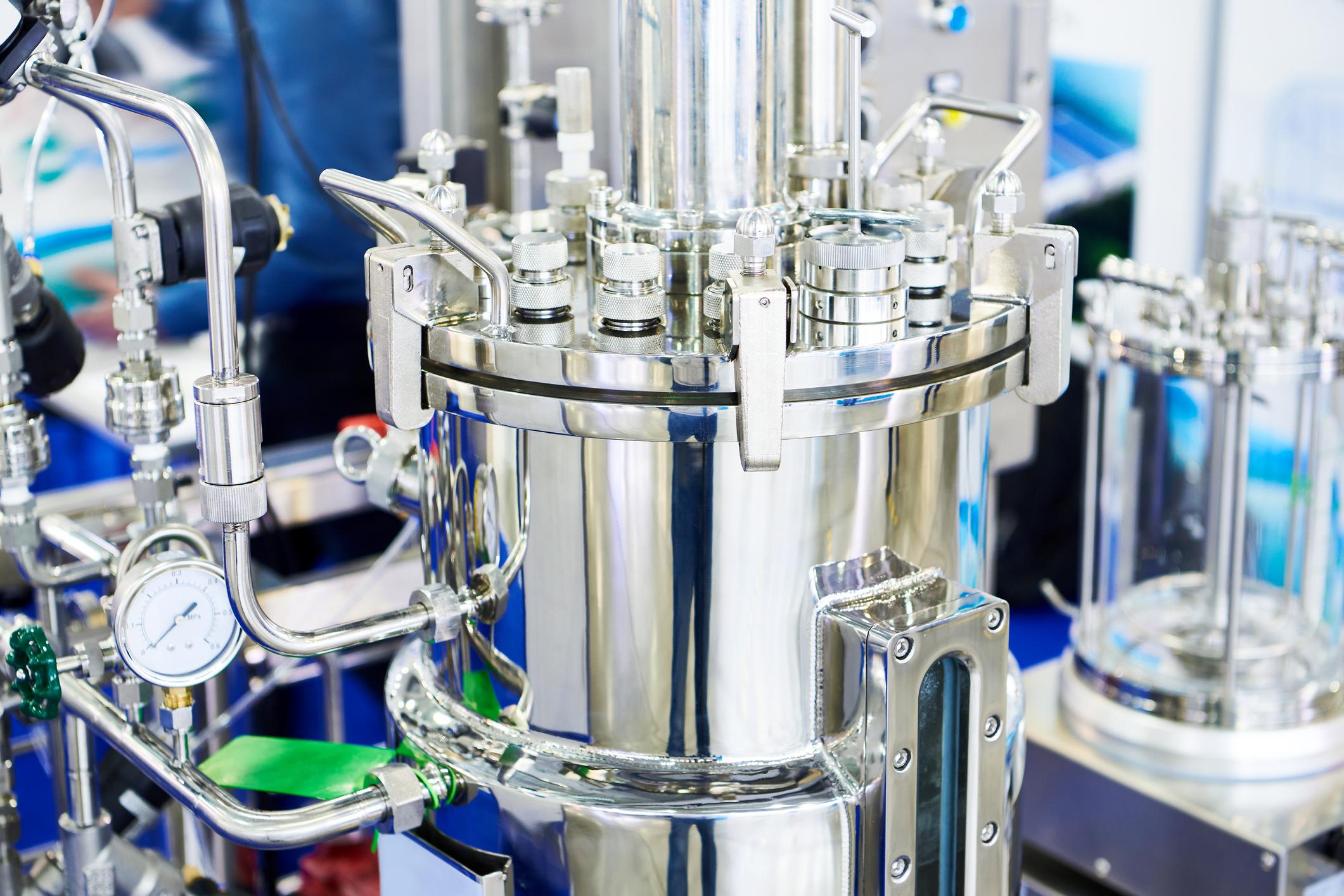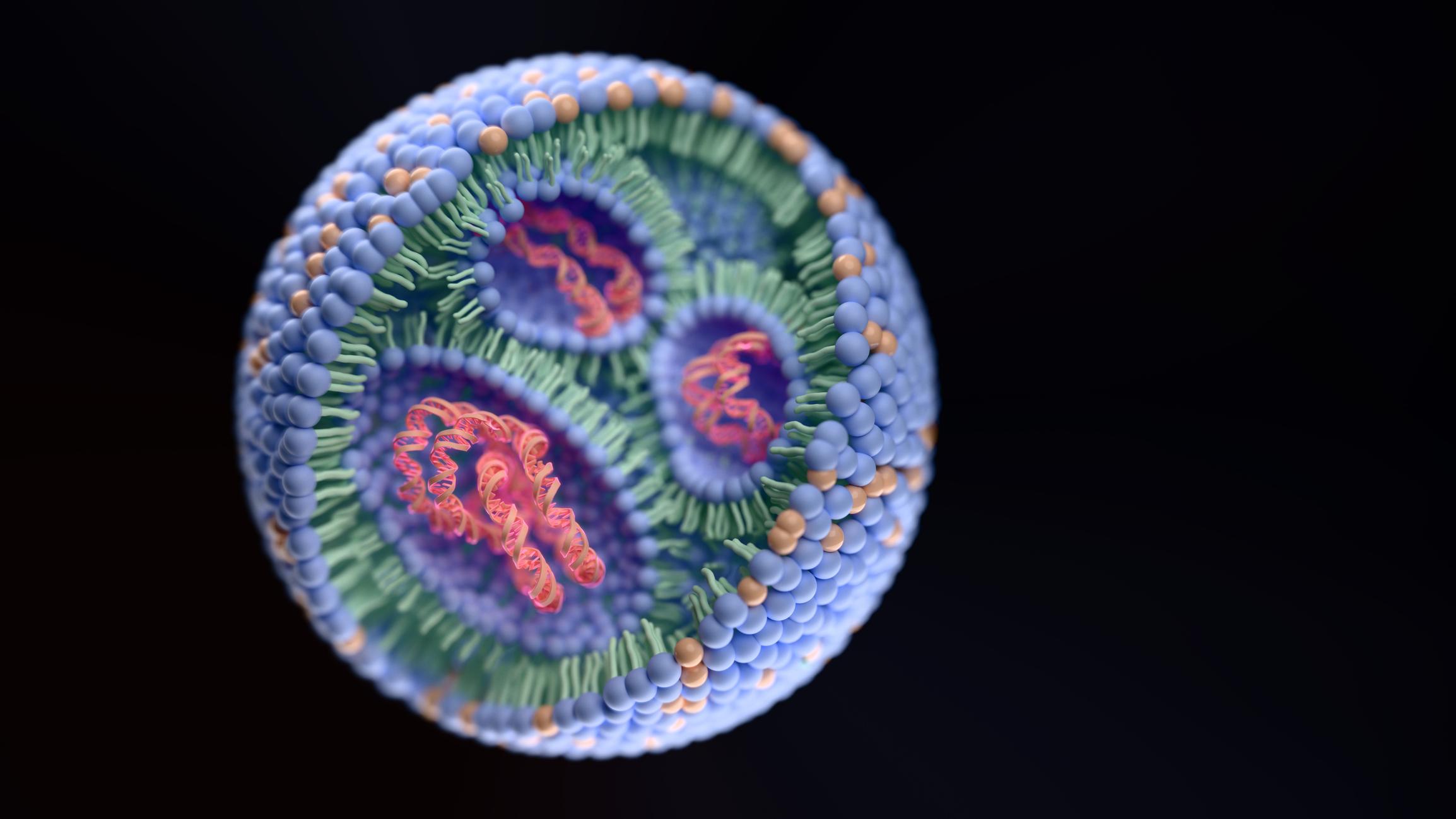
Biomanufacturing has long relied on advances in hardware, automation, and process control, but the cellular microenvironment has remained largely passive. A new generation of smart biomaterials, including hydrogels, nanostructured scaffolds, oxygen-releasing carriers, and conductive matrices, is changing that equation. These materials can sense, respond, and adapt to cues such as temperature, pH, oxygen levels, and electrical signals, enabling finer control of growth, differentiation, and product quality. When integrated with process analytical technology, digital twins, and AI-driven design, they create opportunities for fully closed-loop, intelligent bioproduction. While regulatory, scalability, and GMP hurdles remain, the convergence of materials science and biomanufacturing points toward a future where bioreactors function as living, adaptive systems.
Biomanufacturing at a Materials Crossroads
Biomanufacturing has traditionally advanced through refinements in equipment, process engineering, and control strategies. Stainless steel bioreactors gave way to single-use systems, and batch processes are currently replaced by continuous operations. While these innovations have reshaped the biomanufacturing sector, they largely leave the cellular microenvironment untouched. A new frontier is now opening in which the biomaterials within the bioreactor itself become active participants in production, creating an added dimension of control that extends beyond hardware or automation.
Smart bioreactor materials present a transformative new paradigm. These include hydrogels, nanostructured scaffolds, and hybrid carriers designed not as passive supports but as responsive systems capable of actively modulating growth, phenotype, and release conditions. By incorporating chemical, mechanical, and bioactive functionalities, these materials can sense or respond to stimuli, such as temperature, pH, oxygen tension, or enzymatic activity. Their role is not simply to host cells but to shape cellular behavior, support tissue-like organization, and facilitate recovery of high-quality product. The promise lies in building intelligence into the biomanufacturing environment itself.
For cell therapies, smart materials can increase expansion efficiency while reducing stress during harvest, preserving potency and viability at scales required for clinical translation. For biologics production, they can influence differentiation or secretion profiles, improving consistency and product quality. In organoid and tissue models, responsive scaffolds can maintain viable structures that would otherwise suffer from hypoxia or necrosis. In every case, these systems hold the potential to address persistent pain points in scalability, cost, and reproducibility while strengthening alignment with regulatory expectations around critical quality attributes (CQAs)
However, adoption may not be straightforward. Materials that perform well at laboratory scale may present challenges in reproducibility, sterilization, and regulatory validation when moved into good manufacturing practice (GMP) settings. Extractables, leachables, and degradation products must be carefully characterized, and comparability frameworks must evolve to include not only cells and process parameters but also the dynamic states of the biomaterials themselves. These hurdles underscore the need for a clear translational roadmap that bridges scientific novelty with manufacturability and regulatory acceptance.
Nevertheless, the potential is significant. Smart bioreactor materials extend the scope of what biomanufacturing can achieve, making the cellular environment more programmable, more tunable, and more closely aligned with the outcomes demanded in advanced therapeutics. Just as process intensification and automation reshaped earlier generations of manufacturing, biomaterials-enabled innovation now stands poised to define the next era.
From Passive to Active: The Evolution of Biomaterials
The first generation of bioreactor materials was fundamentally passive. Microcarriers, scaffolds, and beads were developed to provide surface area for adherent cell growth or simple structural support. These systems were chemically and mechanically inert, designed to remain stable throughout culture without directly influencing cellular behavior. Their value lay in scalability and reproducibility, but they offered little ability to shape cell fate or respond to dynamic conditions within the bioreactor.1
The second generation, now rapidly gaining traction, is built around responsiveness. Stimuli-responsive materials (SRMs) are engineered to alter their physical or chemical state in response to defined triggers, such as pH, temperature, light, enzymatic activity, or electrical fields. A hydrogel might soften when warmed above a threshold, releasing cells gently from its matrix. A nanocomposite scaffold could swell or contract as pH changes, exposing or concealing bioactive ligands. Conductive polymers can transmit electrical stimulation to support the maturation of excitable cell types. These dynamic responses make the material an active regulator of the cellular microenvironment rather than a neutral substrate.2,3
Several advances in materials science underpin this transition. Reversible chemistries allow hydrogels to assemble and disassemble on demand, supporting controlled release or harvest without harsh chemical treatments. Nanocomposites incorporate fillers, such as graphene or metallic particles, to create conductive or oxygen-releasing scaffolds. More recently, four-dimensional printing techniques have enabled the fabrication of structures that not only replicate complex architectures but also change their properties over time in response to culture conditions.4
This shift parallels broader transformations across the pharmaceutical industry. Quality by design (QbD) and continuous manufacturing emphasize real-time control, process intensification, and embedding intelligence into production systems. Smart materials extend these principles to the cellular microenvironment itself, embedding quality into the foundation of the culture environment rather than relying solely on external process controls. In this sense, they represent the material equivalent of process analytical technology: tools that allow biomanufacturing to move from reactive oversight to proactive modulation of outcomes.1 As materials gain the capacity to sense, respond, and adapt, they create an entirely new layer of process control that complements advances in automation, digital twins, and real-time monitoring.
Classes of Smart Bioreactor Materials
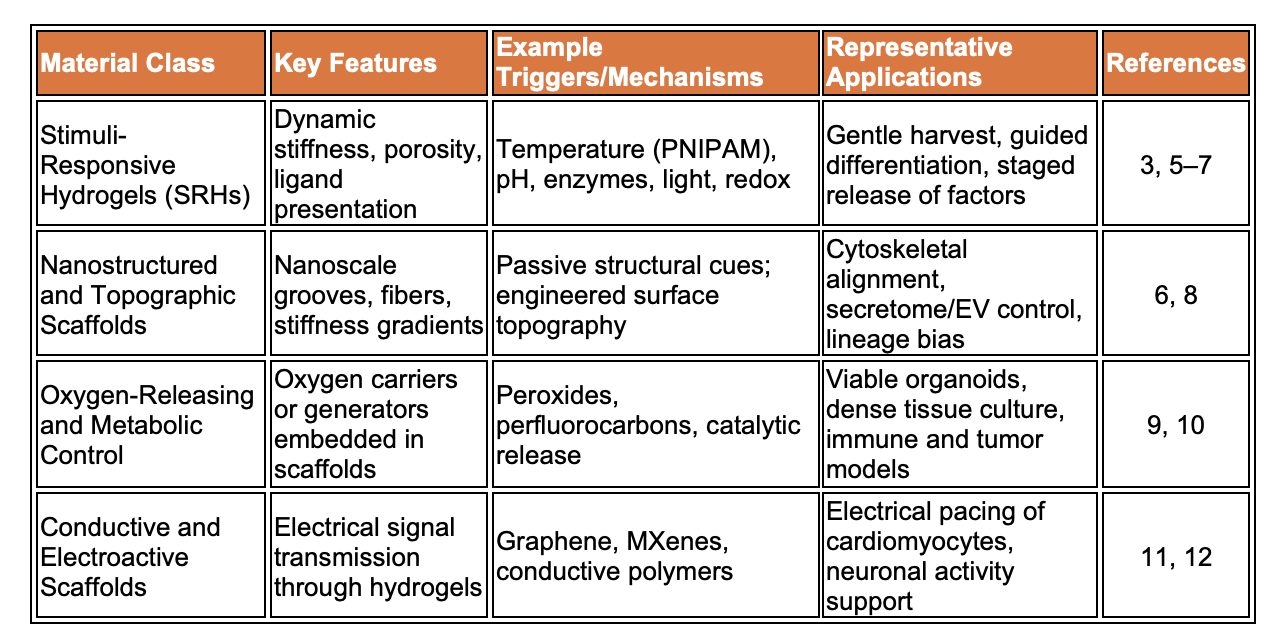
The emerging landscape of smart bioreactor materials can be grouped into several categories, each with distinct design principles and applications. Together, these systems illustrate how the cell culture environment is becoming increasingly programmable and interactive.
Stimuli-Responsive Hydrogels (SRHs)
Stimuli-responsive hydrogels (SRHs) are among the most widely studied smart materials for biomanufacturing. Their defining feature is the ability to undergo reversible changes in structure or properties when exposed to specific cues. Thermoresponsive variants, such as those based on PNIPAM derivatives, can transition from swollen to collapsed states depending on temperature, enabling timed release or controlled mechanical shifts within culture systems.5 Other hydrogels incorporate enzyme- or pH-sensitive crosslinks, allowing them to soften or dissolve in response to the metabolic activity of cells or the addition of mild triggers. This property has been applied in microcarrier systems designed for stem cell expansion, where cultures can be harvested efficiently without the need for proteolytic enzymes that may compromise cell quality.6,7 More advanced chemistries extend responsiveness to light or redox states, allowing external control over the exposure of ligands or the release of bioactive factors, further expanding the toolbox for precisely timed interventions in culture.3 Collectively, these hydrogels offer versatile applications ranging from gentle harvest to guiding differentiation programs and orchestrating staged release of signaling molecules.
Nanostructured and Topographic Scaffolds
Another important class of smart materials leverages nanoscale structuring and topographic cues to influence cellular behavior. These scaffolds employ patterned grooves, aligned fibers, or stiffness gradients to direct cytoskeletal alignment, modulate mechanotransduction pathways, and ultimately shape lineage decisions. Such control extends beyond differentiation, as nanoscale architecture has been shown to regulate secretome composition and extracellular vesicle (EV) cargo, opening avenues for more consistent therapeutic outputs from mesenchymal stromal cells or other producer systems.6,8 By engineering the physical language of cell–matrix interactions, these scaffolds provide a means of influencing outcomes without adding exogenous factors or genetic modifications.
Oxygen-Releasing and Metabolic Control Systems
Dense organoid and tissue cultures often suffer from gradients in oxygen and nutrient availability, leading to necrotic cores and reduced reproducibility. Oxygen-releasing biomaterials are being developed to address this challenge directly. Strategies include embedding peroxide-based microparticles that slowly generate oxygen, incorporating perfluorocarbon emulsions capable of carrying and releasing dissolved gases, and designing catalytic scaffolds that convert endogenous substrates into oxygen.9 These approaches help flatten gradients in dissolved oxygen, sustaining viability in thicker constructs and more metabolically active cultures. Their potential extends beyond organoid models to include immune cell expansion and tumor microenvironment studies, where hypoxia plays a critical role in function and phenotype.10 In this way, metabolic control systems integrate environmental stabilization into the material design itself, rather than relying solely on external aeration or perfusion.
Conductive and Electroactive Scaffolds
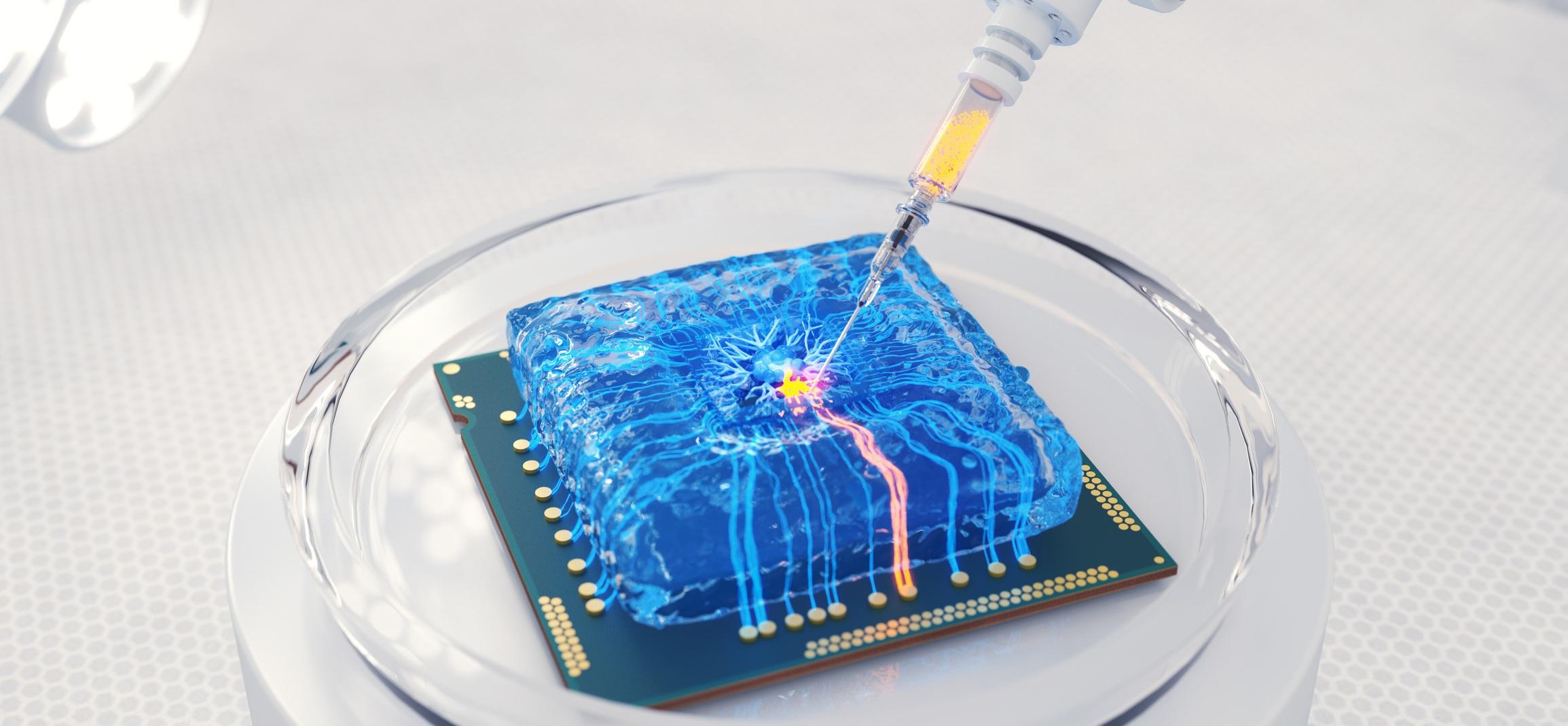
A fourth category of smart materials harnesses electrical conductivity. Hydrogels doped with graphene, MXenes (a family of two-dimensional (2D) nanomaterials consisting of transition metal carbides or nitrides), or conductive polymers can transmit electrical signals through the culture matrix, enabling electrical pacing of excitable cells such as cardiomyocytes and neurons. In cardiac systems, this promotes improved alignment, maturation, and synchronization, while in neural systems it supports network formation and electrophysiological activity.11 Such materials are increasingly viewed in the context of bioelectronic medicine, where coupling biological systems with electrical interfaces is seen as a way to modulate cell function with high precision. Early studies in stirred bioreactors suggest that conductive scaffolds can be incorporated at scale without compromising biocompatibility, pointing to opportunities for translational applications that extend from regenerative medicine to in vitro disease modeling.12
Table 1. Classes of Smart Bioreactor Materials and Their Applications
 Hybrid and Scalable Platforms
While many smart material concepts demonstrate compelling capabilities at the laboratory scale, the critical question for biomanufacturing is whether they can be translated into robust, reproducible systems suitable for stirred-tank bioreactors and other industrial platforms. Hybrid and dissolvable microcarrier systems present some of the most advanced progress toward this goal.
Dissolvable microcarriers have emerged as a promising approach for large-scale adherent cell culture. Traditionally, enzymatic detachment has been the standard method for harvesting cells from microcarriers, but this approach can compromise viability and quality. Dissolvable carriers circumvent this issue by breaking down under mild conditions, releasing intact cells in suspension while minimizing exposure to proteases. This enables higher harvest yields with reduced phenotypic drift and improved preservation of therapeutic potency, particularly for sensitive populations such as mesenchymal stromal cells and induced pluripotent stem cells.7,12
Building on this concept, hybrid hydrogel–microcarrier platforms combine structural support with stimuli-responsive chemistries. These systems allow cells to expand on stable substrates during culture and then be gently released when triggered, creating a streamlined workflow for repeated expansion and harvest cycles. They are also being engineered to incorporate bioactive features, such as ligand presentation or local stiffness tuning, offering opportunities to guide cell phenotype alongside providing scalable growth surfaces.7
For these approaches to succeed in clinical manufacturing, they must align with GMP standards. Reproducibility across production lots, consistency in mechanical and biochemical properties, and compatibility with existing stirred-tank systems are all essential. Research has demonstrated progress in maintaining reproducibility while achieving efficient cell release and high viability, but challenges remain in ensuring lot-to-lot consistency and long-term shelf stability of the materials.13 Sterilization represents another key hurdle, as heat or radiation treatments can alter polymer networks and compromise functionality. Developing sterilization-compatible chemistries and coatings will be critical to widespread adoption.14
Ultimately, dissolvable and hybrid microcarriers illustrate how smart biomaterials are beginning to bridge laboratory innovation and industrial practicality. By enabling efficient, scalable, and GMP-compatible expansion of adherent cells, these platforms move beyond proof of concept toward genuine integration into advanced therapeutic manufacturing.
Integration with Bioreactors and Smart Monitoring
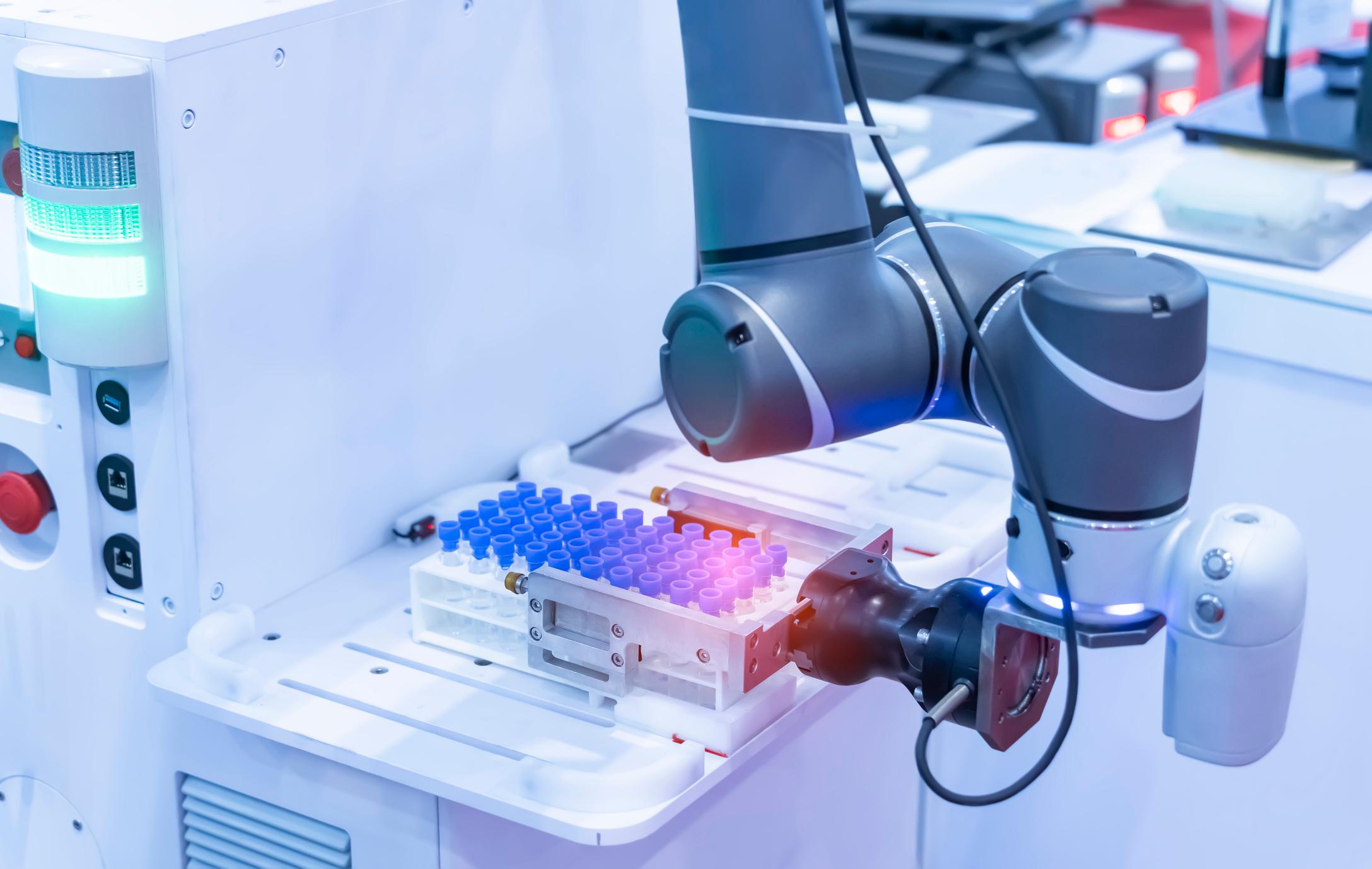
The true potential of smart bioreactor materials lies not only in their intrinsic functionality but also in their integration with broader bioprocess control frameworks. Just as automation and digital technologies have transformed upstream and downstream operations, coupling advanced biomaterials with process analytical technology (PAT) creates the possibility of fully closed-loop systems in which the culture environment is actively monitored and modulated in real time.
One of the most promising areas is the development of materials that can provide feedback on their own state or the status of the culture. Hydrogels, for instance, can be engineered with embedded sensors that report on stiffness changes, which in turn reflect cell density or matrix remodeling. Similarly, oxygen-releasing scaffolds can be paired with oxygen-sensitive probes to monitor and adjust dissolved oxygen levels across the culture volume. Such approaches extend the reach of PAT beyond bulk bioreactor measurements, offering spatially resolved insights into the microenvironment experienced by cells.15
This ability to monitor conditions at the microscale aligns directly with the goals of QbD, in which critical process parameters must be tightly linked to CQAs. Smart materials provide new ways of capturing those parameters — mechanical compliance, nutrient and oxygen gradients, or cell–matrix interactions — that have historically been difficult to quantify in situ. By translating physical or biochemical changes into measurable signals, they reduce reliance on destructive sampling or offline assays, thereby increasing efficiency and reducing risk.13
Integration also opens the door to materials that not only sense but also respond. Responsive hydrogels can alter their stiffness or porosity when thresholds are crossed, relieving hypoxic stress or releasing growth factors at precisely the right time. In more advanced designs, sensing and response are directly coupled: a scaffold could detect low oxygen tension and activate a catalytic reaction to release oxygen or identify excessive cell density and soften to encourage more even distribution. These closed-loop biomaterials represent a new tier of process control, one in which the material itself acts as a regulator embedded within the bioreactor environment.15
Practical demonstrations of this concept are beginning to emerge. At Georgia Tech, researchers have developed a prototype smart bioreactor system that integrates responsive hydrogels, real-time sensors, and automated control algorithms into a single platform.16 This system is designed to overcome limitations in cell manufacturing, particularly in balancing growth and differentiation while maintaining product quality. By embedding monitoring and actuation directly into the material environment, the platform reduces variability and enhances reproducibility, providing a model for how future biomanufacturing systems might evolve.
Despite the promise, integration raises new challenges. Bioreactors are already complex systems, and embedding smart materials introduces additional variables that must be validated, standardized, and regulated. The materials themselves must remain compatible with sterilization, cleaning, and GMP workflows, while the sensors and feedback mechanisms must withstand prolonged culture without drift or fouling. Addressing these requirements will be essential for adoption at industrial scale.13
The combination of smart biomaterials with PAT and digital control represents a powerful convergence of biology, materials science, and engineering. By embedding sensing and actuation into the culture environment, bioreactors can become not just vessels for growth but adaptive systems capable of self-correcting in real time. This integration moves the field closer to the vision of intelligent biomanufacturing — systems that can deliver consistent, high-quality outputs by actively harmonizing cellular behavior with process demands.
Regulatory and Translational Considerations
The integration of smart bioreactor materials into manufacturing processes introduces a set of regulatory and translational challenges that must be addressed before these technologies can move beyond the laboratory. While the scientific advances are compelling, the transition to clinical-grade production requires careful attention to safety, reproducibility, and process control.
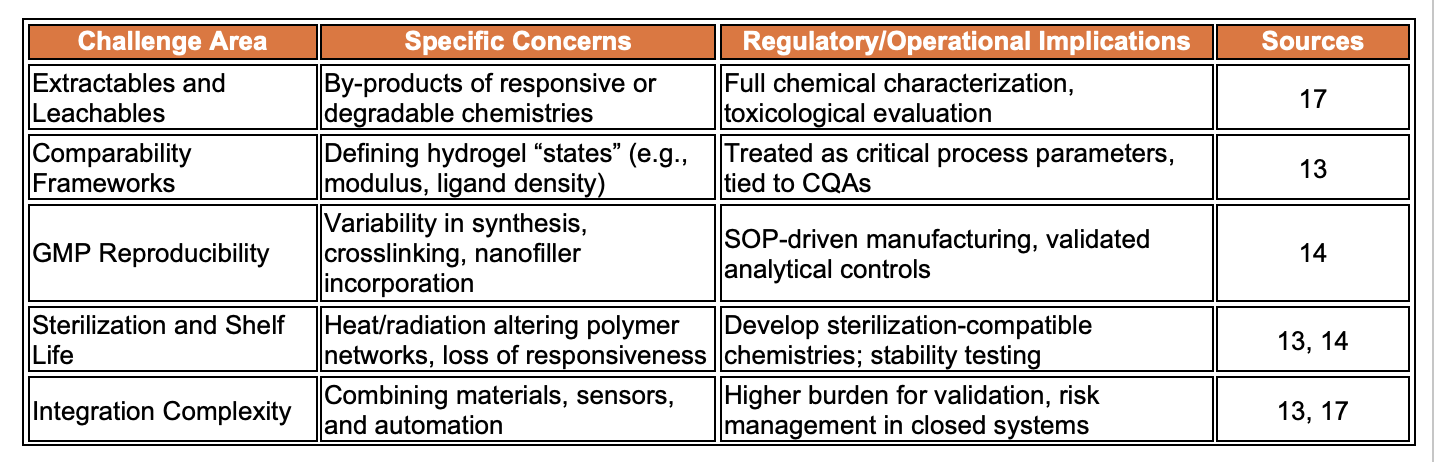
One of the foremost concerns is the potential for extractables, leachables, and degradation products. Unlike inert carriers, responsive hydrogels and nanocomposites are designed to undergo chemical or structural change during use. Regulators will expect comprehensive characterization of any by-products generated during culture or triggered release, including their identity, concentration, and toxicological profile. Even benign degradation products must be evaluated for their impact on cells and final product quality. This expectation parallels the standards already applied to single-use plastics and bioreactor components but becomes more complex when the material is engineered specifically to change in situ.17
Equally important is the question of comparability. In traditional biologics manufacturing, comparability frameworks focus on critical process parameters (CPPs), such as temperature, pH, and agitation, and how they influence CQAs of the product. For smart materials, regulators will likely require that the functional “state” of the material — its modulus, porosity, ligand density, or conductivity — be defined and validated as a CPP. Tracking these states over the course of culture will be necessary to demonstrate consistent performance, and deviations will need to be linked to measurable impacts on CQAs. This represents an expansion of existing frameworks, requiring new analytical methods and validation protocols to ensure material behavior is reproducible across lots and manufacturing runs.13
As already noted, GMP introduces further complexity. Many smart materials are synthesized using chemistries or nanocomposite assemblies that are sensitive to variations in batch conditions. Ensuring reproducibility across production lots will demand strict control over polymerization, crosslinking, and filler incorporation. Shelf life and storage conditions also become critical, as functional properties, such as responsiveness to stimuli, may degrade over time. Scaling up from research synthesis to GMP production will therefore require robust process development, with standard operating procedures capable of producing materials that perform consistently in clinical manufacturing environments.14
Finally, early-stage biomaterials research must be translated into validated, controlled processes that align with regulatory expectations. Academic demonstrations often prioritize functionality over reproducibility or scalability, but industry adoption depends on the reverse. This means that promising materials must be paired with rigorous analytical characterization, defined quality specifications, and clear process documentation from the outset. Regulators will expect that any responsive material used in cell or gene therapy manufacturing be supported by a full control strategy, including defined acceptance criteria, stability testing, and risk assessments for variability. Industry guidance is beginning to highlight these needs, urging researchers to incorporate translational considerations into material design rather than treating them as downstream obstacles.13,17
Table 2. Translational Challenges and Regulatory Expectations for Smart Materials
 Emerging Applications and Next Horizons
The most compelling opportunities for smart bioreactor materials may lie in applications that extend beyond conventional expansion and harvest workflows into domains where complex microenvironments and adaptive control are essential. These frontier applications highlight how the convergence of materials science, digital technologies, and advanced modeling could reshape biomanufacturing in the decade ahead.
Organoids and organ-on-chip systems provide a clear example. These models hold immense promise for disease modeling, toxicology, and preclinical drug development, but their translational value is often limited by poor reproducibility and the emergence of hypoxic or necrotic zones in dense constructs. Smart oxygen-releasing scaffolds and metabolic control systems are increasingly being explored to address these bottlenecks, sustaining viability and functional differentiation in organoids and engineered tissues.10 Beyond oxygenation, responsive hydrogels can also provide spatiotemporal control of niche cues, releasing growth factors or altering stiffness to mimic developmental programs. Together, these strategies support more physiologically relevant models that could accelerate both research and clinical applications.
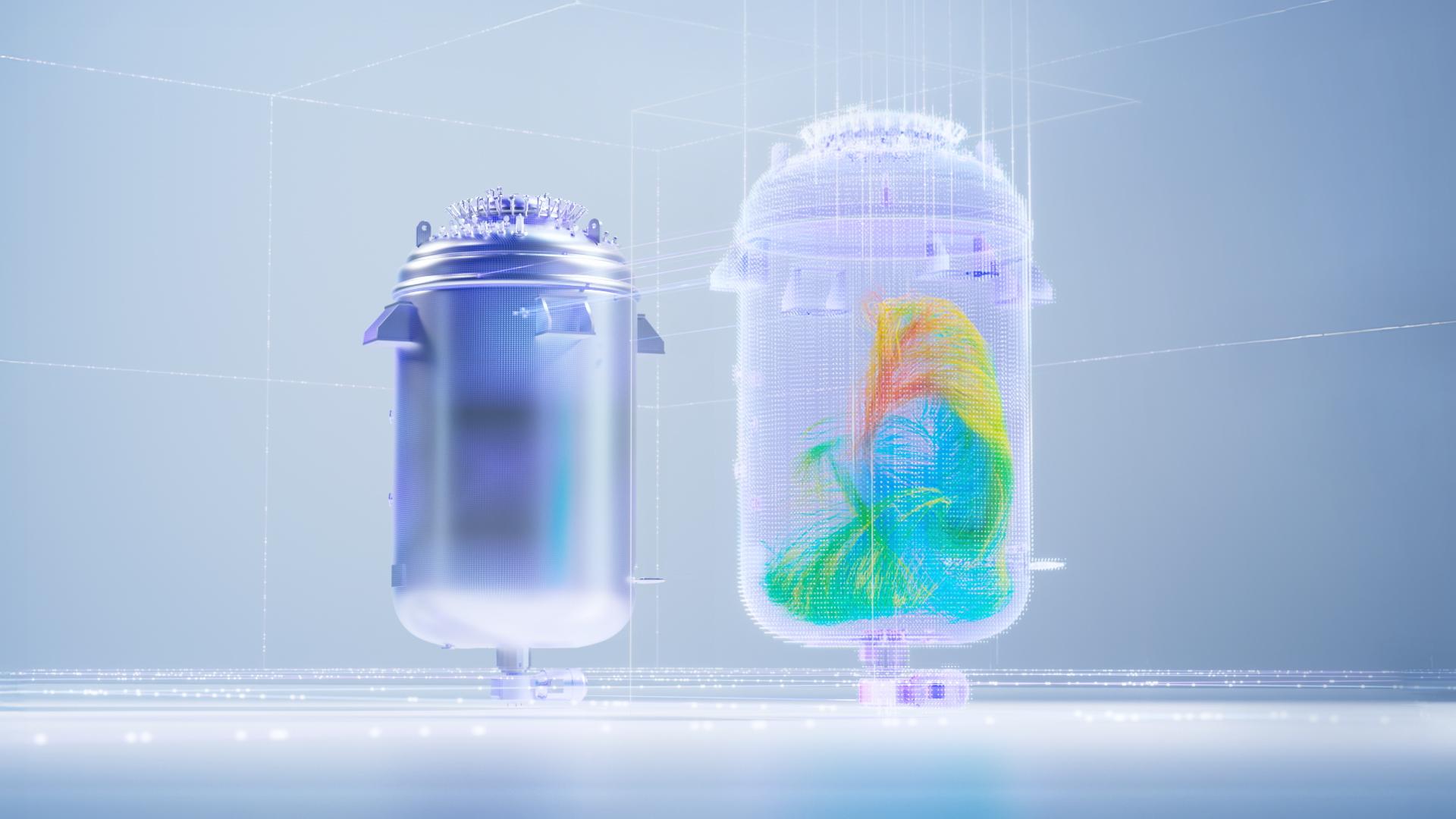
The integration of smart materials with digital twins represents another frontier. Digital twins — virtual replicas of bioprocesses that incorporate real-time data and predictive modeling — are becoming more common in manufacturing. By embedding sensors and responsive functions directly into scaffolds, it becomes possible to feed richer microenvironmental data into these models, improving predictive accuracy and control. For example, stiffness changes in a hydrogel might serve as a proxy for cell density or differentiation state, while oxygen-sensitive materials could provide real-time readouts of metabolic activity. Incorporating such inputs into digital twins would allow predictive adjustments to be made dynamically, enabling a new level of closed-loop bioprocess control.4
Artificial intelligence (AI) is also beginning to influence the design of biomaterials themselves. Computational models can now predict how variations in polymer chemistry, crosslinking, or nanofiller content affect properties such as stiffness, porosity, or electrical conductivity. AI-driven design could accelerate the identification of hydrogel formulations optimized for specific applications, reducing experimental trial-and-error and helping ensure scalability and reproducibility from the start.4 This is particularly relevant for electroactive and conductive scaffolds, where balancing biocompatibility with electrical performance requires navigating a wide design space.11 As machine learning tools continue to mature, they are likely to become central in linking materials properties to biological outcomes.
Looking further ahead, the vision is one of co-designed systems in which bioreactor hardware and smart materials are developed as integrated modules rather than separate components. Instead of retrofitting responsive carriers or scaffolds into existing stirred-tank designs, future platforms may be purpose-built around the interaction between materials, sensors, and control algorithms. In such systems, the material not only supports and modulates cells but also serves as a functional component of the reactor itself, embedded with sensing and actuation capabilities. Early prototypes, such as Georgia Tech’s smart bioreactor, already illustrate how this convergence might look in practice, merging hydrogels, sensors, and automated feedback into a unified system.16 Scaling this model will require significant innovation in engineering and regulatory frameworks, but it also offers the potential to redefine modular biomanufacturing.
The trajectory of smart bioreactor materials points toward a future where cell culture environments are no longer passive but programmable, adaptive, and co-evolving with digital infrastructure. By enabling improved control over complex systems like organoids, linking seamlessly with digital twins, and benefiting from AI-driven materials design, these platforms are positioned to expand the boundaries of what biomanufacturing can achieve. In doing so, they move the field closer to a model of truly intelligent bioproduction, where materials, biology, and computation operate as a single, integrated ecosystem.
Toward Truly Smart Biomanufacturing
The emergence of smart bioreactor materials signals a pivotal shift in how advanced therapeutics may be produced. By embedding responsiveness into hydrogels, scaffolds, and hybrid carriers, biomanufacturing gains an entirely new layer of process control. These systems promise higher yields through improved expansion efficiency, better phenotype control via programmable stiffness and ligand presentation, gentler harvest through dissolvable or cleavable carriers, and more reliable scalability as oxygenation and metabolic challenges are addressed within the culture itself. In this way, smart materials complement existing advances in process automation and intensification, extending quality by design principles directly into the cellular microenvironment.
The promise, however, is matched by real challenges. Regulatory frameworks must evolve to address the unique demands of materials that change state during use, with careful attention to extractables, leachables, and degradation products. Comparability requirements will need to include not just traditional parameters but also defined states of the biomaterials themselves. On the manufacturing side, reproducibility of synthesis, sterilization compatibility, and long-term stability all remain significant hurdles. Integration is also complex: as materials, sensors, and control algorithms converge, the risk of variability grows, and ensuring GMP compliance will demand rigorous validation strategies.4
Smart materials are advancing from experimental demonstrations to platforms that can be realistically considered for industrial application. When paired with real-time monitoring, digital twins, and AI-driven design, they point toward a new vision of biomanufacturing. In this vision, the bioreactor is no longer just a vessel but a living system, dynamically sensing, responding, and adapting to the needs of the cells within. By merging materials science, computational modeling, and engineering, the field has the opportunity to create environments where cellular behavior is harmonized with process demands in unprecedented ways.
The road to adoption will not be immediate, but the potential is significant. Smart bioreactor materials have the potential to transform biomanufacturing into a truly intelligent ecosystem, one where cells, scaffolds, sensors, and algorithms coalesce to deliver therapies with greater precision, reliability, and scalability than ever before.
References
1. Ng, Ee Xien, et al. “Dissolvable gelatin-based microcarriers generated through droplet microfluidics for expansion and culture of mesenchymal stromal cells.” 2020.
2. Miller, Ryan and Johnna S Temenoff. “Biomaterials for Cell Manufacturing.” ACS Macro Letters. 28 Oct. 2024.
3. Afzali, Amirreza Moheb, et al. “Bioreactor design-assisted bioprinting of stimuli-responsive materials for tissue engineering and drug delivery applications.” Bioprinting. 37: e00325 (2024).
4. Nikolopoulous, Vasilios K, Robin Augustine, and Gulden Camci-Unal. “Harnessing the Potential of Oxygen-Generating Materials and their Utilization in Organ-Specific Delivery of Oxygen.” Biomater. Sci. 11: 1567–1588 (2024).
5. Lee, Jimin, et al. “Large-scale smart bioreactor with fully integrated wireless multivariate sensors and electronics for long-term in situ monitoring of stem cell culture.” Science Advances. 14 Feb. 2024/
6. Doron, Gilad, et al. “Poly(ethylene glycol)-Based Hydrogel Microcarriers Alter Secretory Activity of Genetically Modified Mesenchymal Stromal Cells.” Tissue Engineering and Regenerative Medicine. 31 Oct. 2023.
7. Benavides, Oscar R, et al. “Comparison of polystyrene and hydrogel microcarriers for optical imaging of adherent cells.” J. Biomed. Opt. 29(Suppl 2): S22708 (2024).
8. Jiang, Shengxi, et al. “Oxygen-Releasing Hydrogels for Tissue Regeneration.” Advanced NanoBiomed Research. 31 Mar. 2024.
9. Zoneff, Elizabeth, et al. “Controlled oxygen delivery to power tissue regeneration.” Nature Communications. 15: 4361 (2024).
10. Khan, Ahsan Riaz, et al. “Advances in smart hybrid scaffolds: A strategic approach for regenerative clinical applications.” Engineered Regeneration. 6: 85–110 (2025).
11. Lin, Mingying, et al. “Bioengineered Hydrogels for Restoring Cardiac Electronic Activity after Myocardial Infarction.” Advanced Healthcare Materials. 31 Jul. 2025.
12. Lv, Qianqian, et al. “Engineering functional electroconductive hydrogels for targeted therapy in myocardial infarction repair.” Bioactive Materials. 39: 172–192 (2025).
13. Neumann, Myriam, et al. “Stimuli-Responsive Hydrogels: The Dynamic Smart Biomaterials of Tomorrow.” Macromolecules. 56: 8377–8392 (2023.
14. Zhang, Yifan, et al. “Enhanced cellular viability and osteogenic activity in oxygen-self-generating and magnetically responsive alginate microgels as advanced cell carriers.” Biomaterials Advances. 170: 214198 (2025).
15. Mao, Xiaoxia, et al. “Metal-organic framework integrated hydrogel bioreactor for smart detection of metal ions.” Biosensors and Bioelectronics. 247: 115919 (2024).
16. Gillo, Jerry. “Smart Bioreactor System Overcomes Limitations in Cell Manufacturing.” Georgia Tech College of Engineering. 20 Feb. 2024.
17. Scott, Louie, et al. “Electrical stimulation through conductive scaffolds for cardiomyocyte tissue engineering: Systematic review and narrative synthesis.” Ann. NY Acad. Sci. 1515: 105–110 (2022).